

Winter might seem dull, but nature still finds a way to bloom. This Winter Flower Guide, Arrangements, Bouquets & Late-Blooming Beauties reveals the secret charm of winter flowers that brighten even the coldest days. Across the USA, gardens, homes, and weddings come alive with seasonal blooms like camellias, hellebores, and snowdrops. These cold weather plants add warmth and color when everything else sleeps under frost. Whether you’re arranging a cozy winter bouquet or planning a winter wedding, this guide helps you choose the right flowers, care for them, and enjoy their timeless beauty long after the snow melts.
2. What Makes Winter Flowers Special
What makes winter flowers so special is their courage. Unlike delicate spring blossoms, they face snow and still stand tall. Many have thick petals or glossy leaves that protect them from frost. Others grow low to the ground to stay warm.
These seasonal flowers symbolize endurance and beauty under pressure. In the USA, they add brightness to short days and bring warmth to homes and celebrations. When you see a winter bouquet on your table, you’re reminded that color and life never really fade they just change form.
3. Flowers That Bloom in Winter (Top 10 Picks)
Winter may be cold, but it’s also full of life. Let’s explore ten of the most charming flowers that bloom in winter, each adding color, texture, and joy to your home or garden.
Camellia
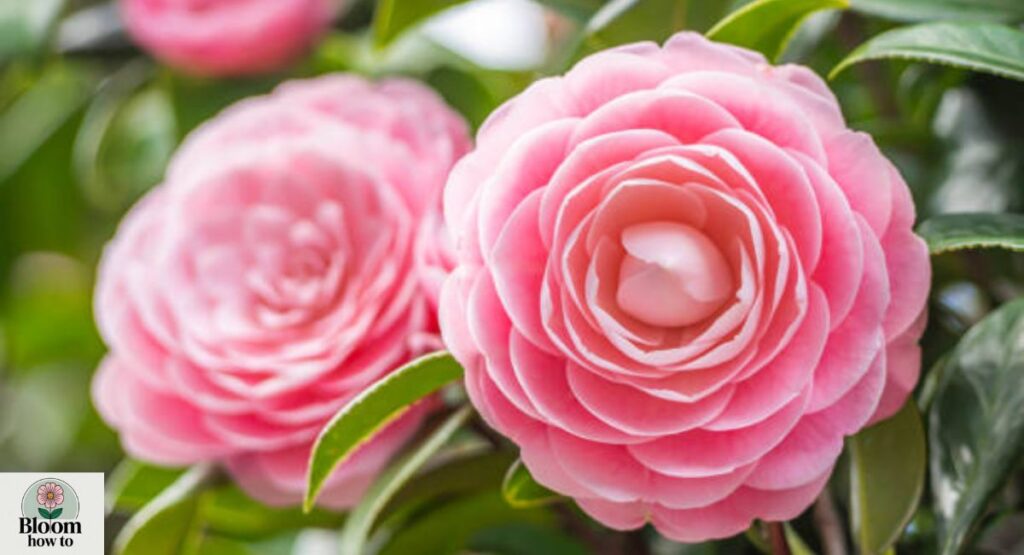
The camellia is the queen of winter flowers. With glossy leaves and soft petals, it blooms in shades of red, pink, or white. It thrives in mild Southern climates like Georgia and South Carolina. Camellias symbolize admiration and love perfect for romantic winter bouquets.
Hellebore (Christmas Rose)
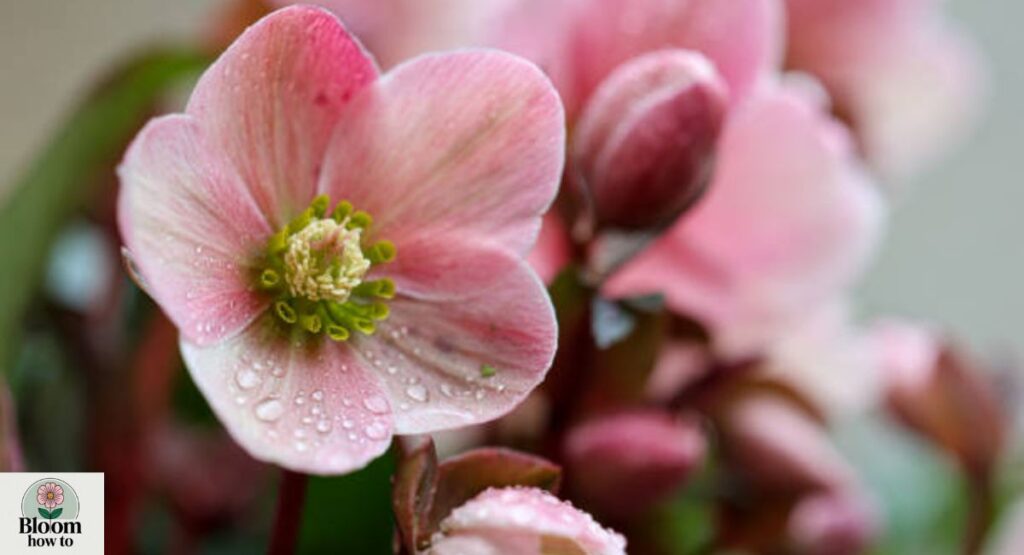
Known as the Christmas Rose, the hellebores bloom right through the snow. Their white and purple flowers make them a favorite in winter gardens across the Midwest and Northeast. They love shade and symbolize serenity and peace.
Snowdrop

Tiny but brave, snowdrops are among the first cold weather plants to flower in winter. Their drooping white blossoms often push through snow. In states like Vermont and Maine, they’re a cherished sign that spring isn’t far behind.
Winter Jasmine
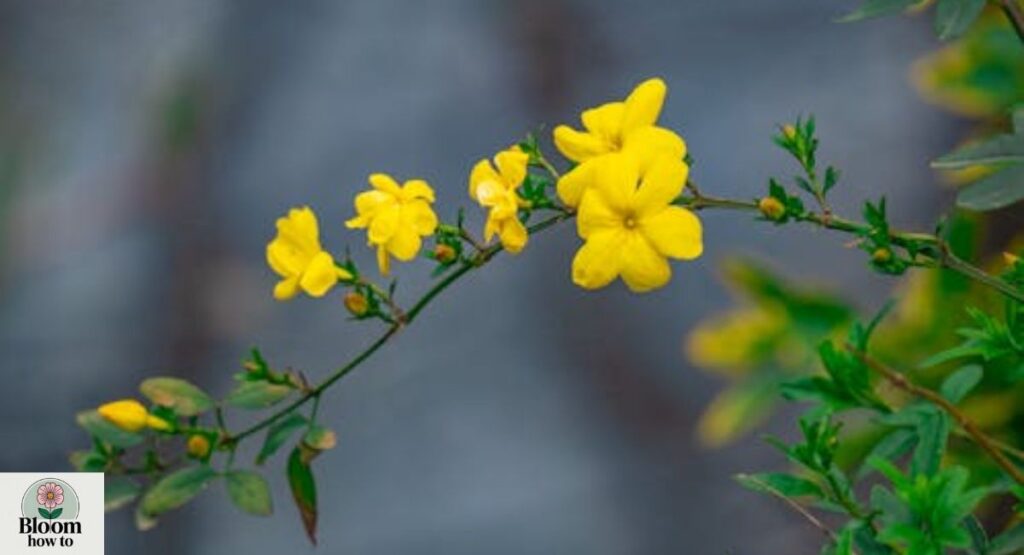
Winter jasmine brings sunshine to frosty gardens with its bright yellow blooms. It grows beautifully on walls and fences, especially in warmer areas like Texas and Florida. Its flowers appear long before the leaves, adding a cheerful spark to the cold months.
Cyclamen

Cyclamen are elegant indoor winter flowers with heart-shaped leaves and pink or purple blooms. They’re ideal for window sills and patios, brightening spaces when outdoor gardens are bare. Their upside-down flowers look like butterflies in mid-flight.
Pansy
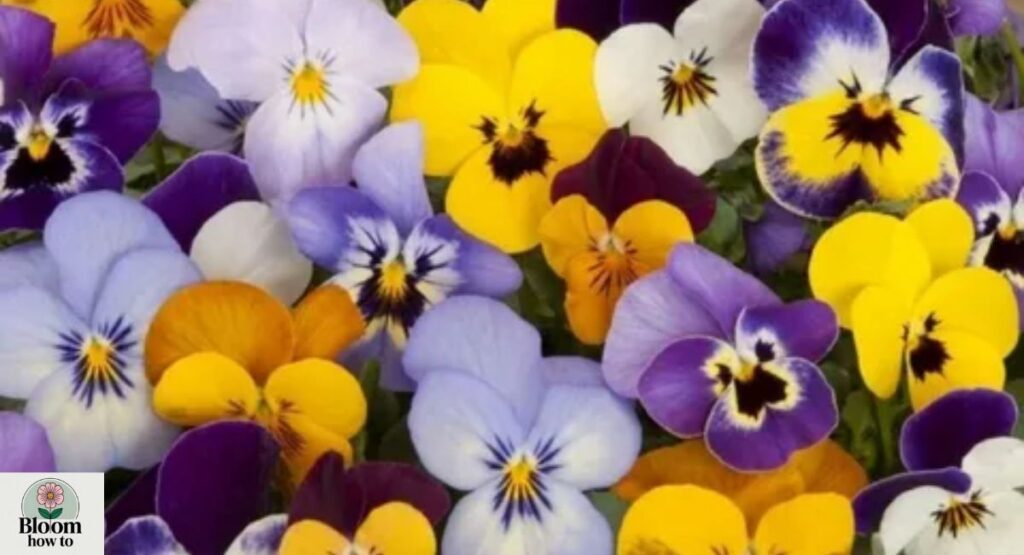
The humble pansy is a winter classic. It’s hardy, colorful, and perfect for garden beds or pots. In states with mild winters like California, pansies bloom all season long. Their “faces” add cheer to even the gloomiest mornings.
Primrose
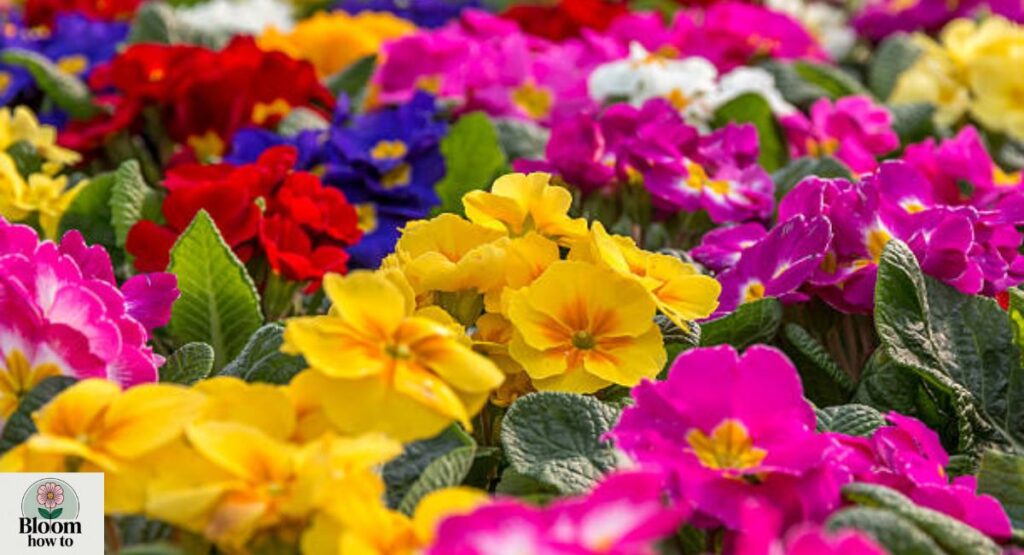
The primrose stands for renewal. These winter blooms thrive in cool weather and come in nearly every color imaginable. They grow well in shaded spots and pair beautifully with ferns or ivy for lush arrangements.
Sweet Alyssum
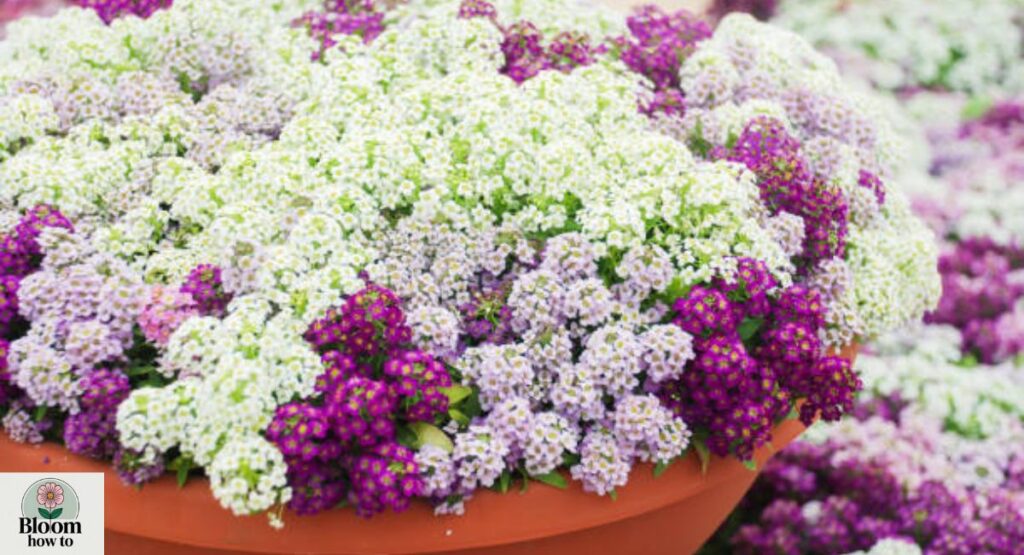
Sweet alyssum fills the air with a soft, honey-like fragrance. Its tiny white and purple flowers create a delicate blanket over the soil. It’s perfect for ground cover in the Southern U.S., where winters stay mild.
Viola
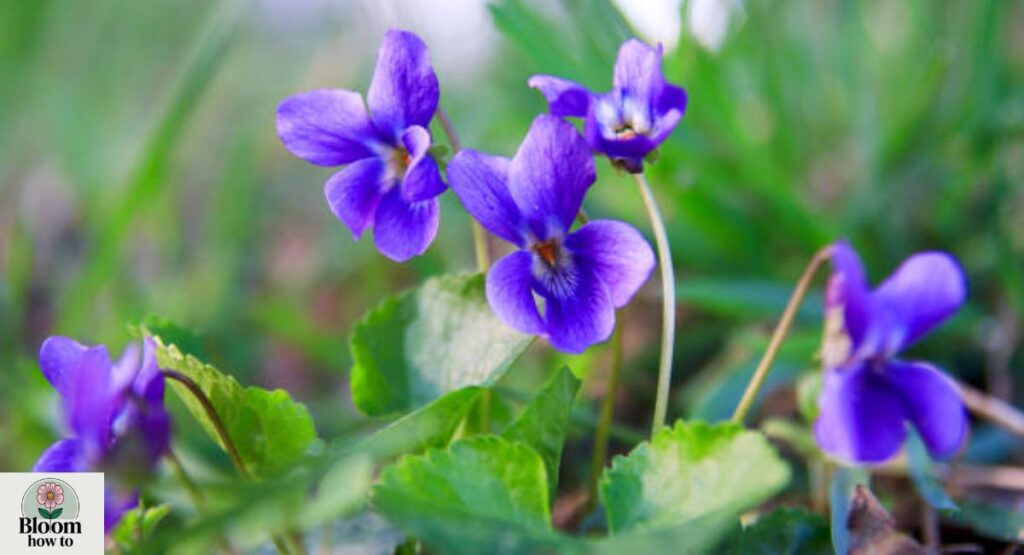
Closely related to pansies, violas love the cold and bloom in charming shades of blue, purple, and yellow. They’re great for planters, borders, or small winter arrangements that need a pop of color.
Calendula (Pot Marigold)
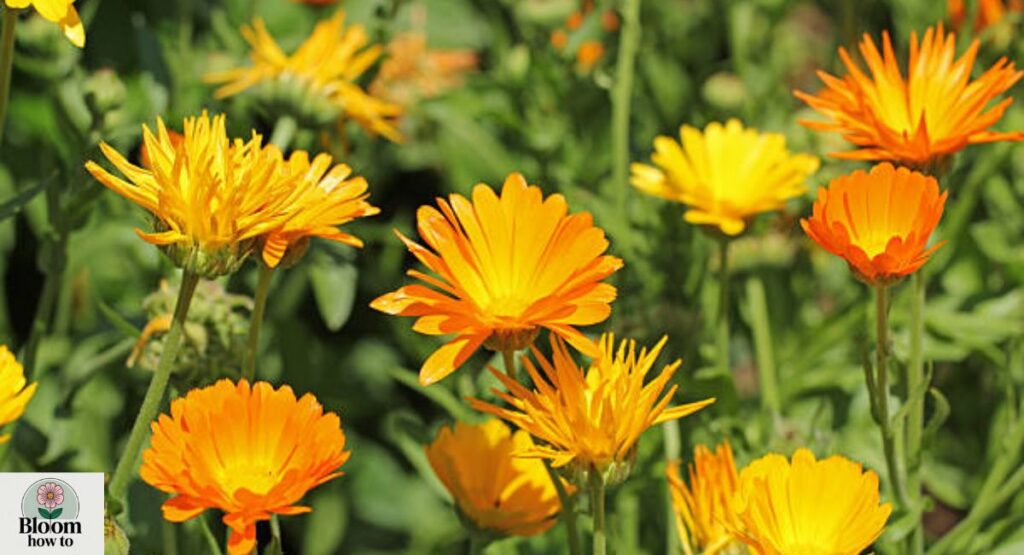
The cheerful calendula brightens gardens with golden petals. It thrives in places like California and the Southwest. Known for its healing properties, this winter flower brings warmth and comfort even in chilly weather.
4. Late Winter Blooms: A Transition to Spring (Top 10 Picks)
When winter starts to fade, late winter flowers begin to awaken. They bridge the gap between the icy cold and the first days of spring, turning frozen gardens into colorful previews of warmer days.
Crocus

The crocus is a burst of purple or yellow that appears as snow melts. It’s one of the earliest late winter blooms, especially in Northern states. Seeing crocuses pop up feels like a smile from the earth.
Daffodil (Narcissus)
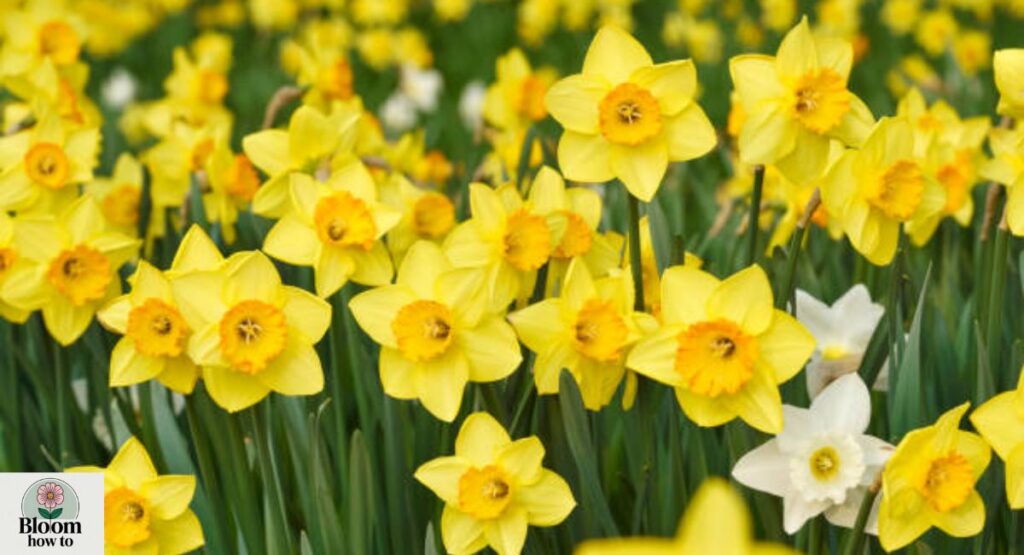
Daffodils are bright, trumpet-shaped symbols of joy. They thrive in places like Pennsylvania and Ohio, spreading sunshine even before spring arrives. Their scent and color make them favorites for winter flower bouquets.
Iris Reticulata

Iris reticulata adds elegance to cold gardens with its deep violet petals. These winter flowers love well-drained soil and full sun. They often bloom in February, marking a stylish start to spring.
Witch Hazel
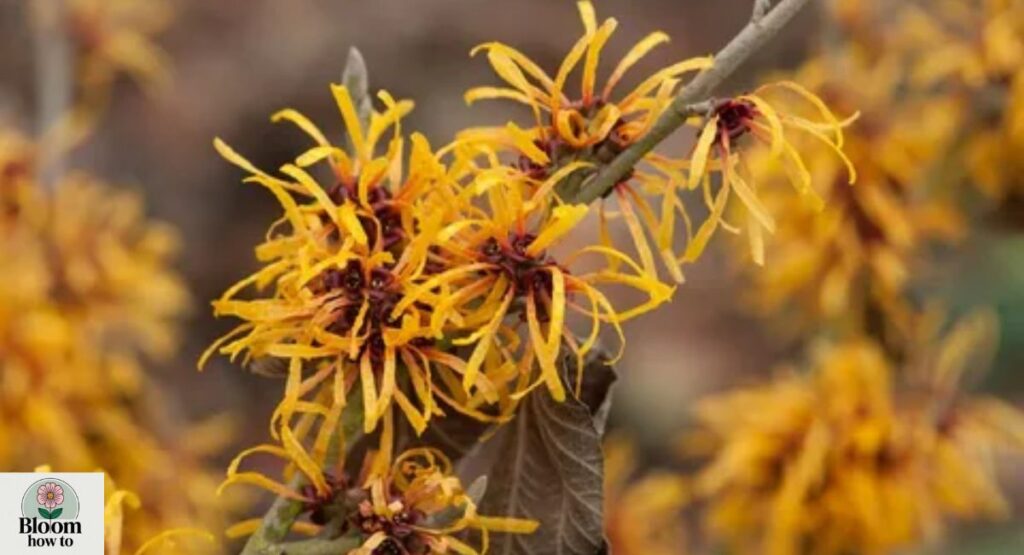
The witch hazel tree is known for its ribbon-like yellow or orange blooms. It flowers even when snow is on the ground. In New England, it’s often the first hint that nature’s waking up again.
Forsythia
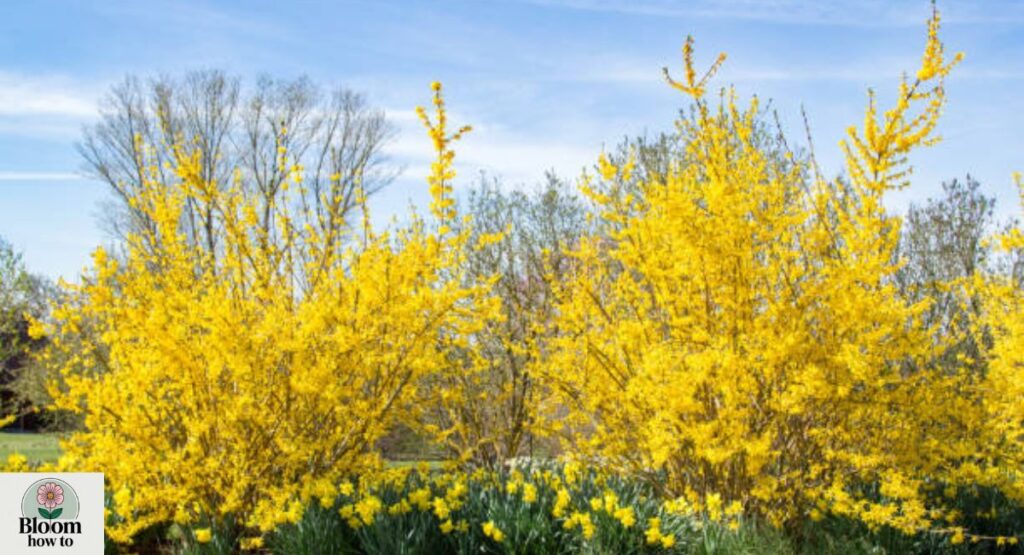
When forsythia blooms, spring is almost here. Its golden branches light up parks and yards across the country. This shrub thrives in sunlight and makes striking flower arrangements when cut and placed in glass vases.
Snowflake (Leucojum)
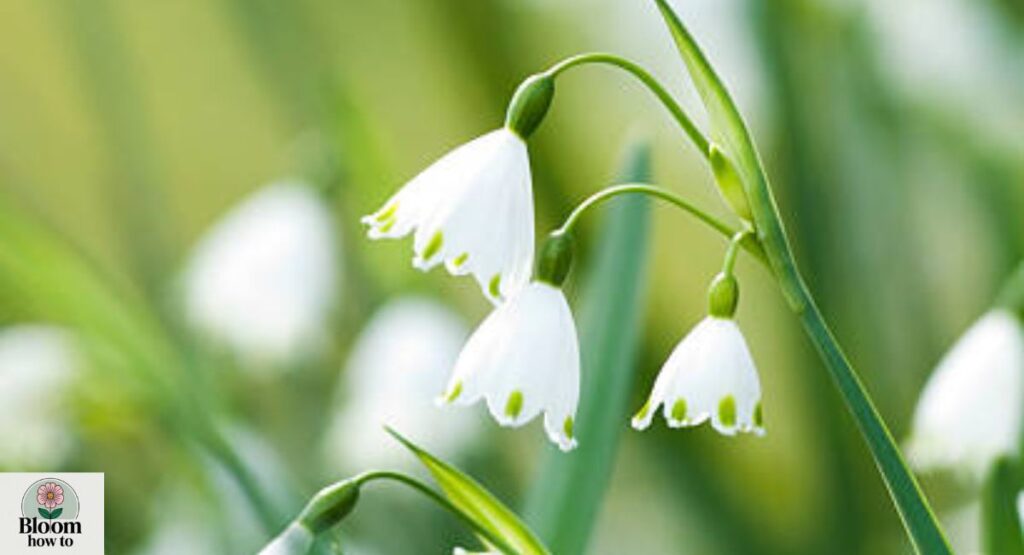
The graceful snowflake looks like an elegant cousin of the snowdrop. Its bell-shaped blooms hang from slender stems and often appear in late February. These cold weather plants bring a gentle charm to any garden.
Anemone
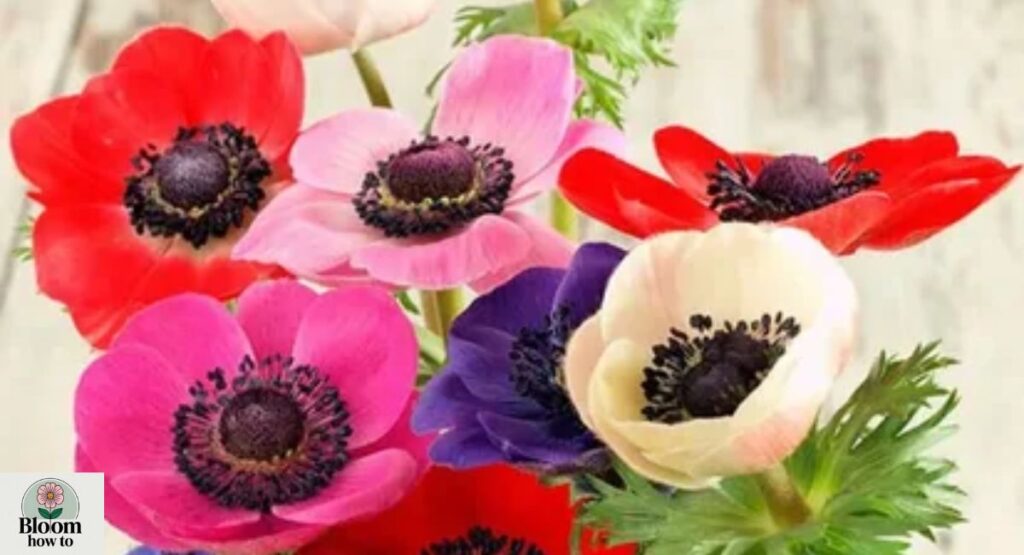
Anemones bloom in stunning reds, purples, and blues. They’re favorites in floral shops for winter wedding flowers and romantic arrangements. Their bright petals seem to whisper that warmth is coming.
Winter Aconite

Golden winter aconites shine against snow like drops of sunlight. These tiny perennials bloom early and fill gardens with color just as the frost begins to melt.
Glory-of-the-Snow
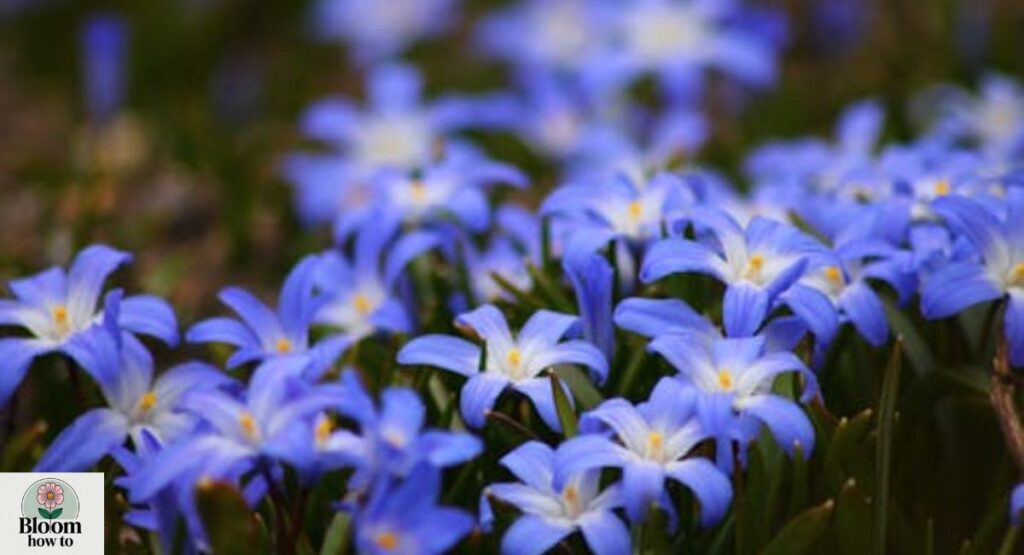
The glory-of-the-snow truly lives up to its name. These star-shaped blue flowers push through icy soil, reminding us that beauty often begins in silence.
Early Tulip
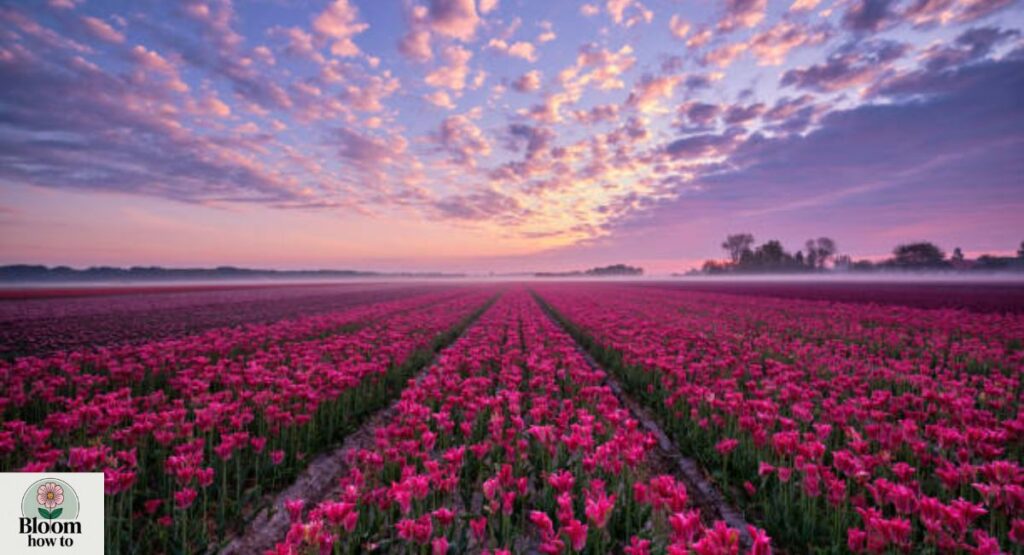
Early tulips bloom before spring officially arrives. Their bold colors and classic shape make them beloved across the USA. Whether in a garden or vase, they bring instant happiness.
5. Winter Flower Arrangements
Creating winter flower arrangements is all about contrast combining soft petals with textured greenery. Pair camellias with pine branches or mix hellebores and eucalyptus for a modern touch. Use white blooms like snowdrops with candles for a cozy table centerpiece.
A good arrangement balances color and warmth. Florists often suggest cool tones like blue and white for elegance or red and gold for festive cheer. Below is a quick color pairing guide:
| Mood | Flower Combination |
| Romantic | Camellia + Rose + Eucalyptus |
| Cozy | Hellebore + Pine + White Tulip |
| Modern | Cyclamen + Ivy + Silver Fern |
6. Winter Flower Bouquets
A winter flower bouquet makes any occasion special. In weddings, couples love using anemones, daffodils, or roses paired with soft greenery. These bouquets bring warmth to chilly ceremonies.
For everyday gifts, a mix of pansies, primroses, and sweet alyssum adds cheerful color. Wrapping the bouquet in kraft paper gives it a rustic charm. Add fragrant herbs like rosemary for a seasonal twist.
7. Care Tips for Winter Flowers
Keeping winter flowers fresh is easy when you know a few tricks. Always trim stems before placing them in water and change the water every two days. Keep vases away from heaters or cold drafts. Most winter blooms last longer in cooler rooms.
For outdoor plants, mulch the soil to protect roots from frost. Cyclamen and pansies appreciate sunlight but need regular moisture. Below is a quick vase life comparison:
| Flower | Vase Life (Days) |
| Camellia | 6–8 |
| Hellebore | 5–7 |
| Daffodil | 7–10 |
| Anemone | 6–9 |
| Tulip | 5–8 |
8. Where to Find Winter Flowers
Finding winter flowers in the USA is easy if you know where to look. Visit local florists or order online from trusted sites like FTD or 1-800-Flowers. Many nurseries also offer seasonal bundles of winter flower bouquets and potted blooms.
For fresh flowers, choose buds that haven’t fully opened yet they’ll last longer. Supporting local growers ensures better quality and helps small businesses thrive during the slower winter months.
9. Conclusion
Even when the world feels cold and gray, winter flowers bring warmth, color, and joy. They remind us that life keeps blooming, even in the hardest seasons. Whether you plant them in your garden or enjoy them indoors, these late winter beauties brighten every corner of your life.
The next time you see a winter bouquet or a single snowdrop, take a moment to smile. Nature’s always working quietly and this Winter Flower Guide: Arrangements, Bouquets & Late-Blooming Beauties is proof that beauty never takes a break.
FAQs
1. What flowers bloom in winter in the USA?
Popular winter flowers in the USA include camellias, hellebores, pansies, cyclamen, and snowdrops. They bloom beautifully even in cold weather.
2. Which flowers are best for winter bouquets?
For winter flower bouquets, florists love using anemones, daffodils, roses, and eucalyptus for their rich color and fresh scent.
3. Can you grow flowers outdoors in winter?
Yes, you can grow winter flowers like pansies and primroses outdoors, especially in mild climates or when protected from frost.
4. How do you keep winter flowers fresh longer?
Trim stems, change water every two days, and keep your winter blooms in a cool room away from direct heat or sunlight.
5. When do late winter flowers start blooming?
Late winter blooms usually appear from February to early March, signaling the slow but steady arrival of spring.

Welcome to bloom how to! I’m Anam Sattar, an AI Powered SEO, and Content Writer with 4 years of experirnce.
I help websites rank higher,grow traffic, and look amazing. My goal is to make SEO and web design simple and effective for everyone.
Let’s achieve more together!