

There’s something magical about colorful wild flowers blooming freely across fields and meadows. Each shade purple, yellow, white, pink, and blue paints nature’s canvas with beauty and emotion. These wild flowers don’t just brighten landscapes; they tell stories of love, hope, and freedom. From rustic gardens to modern bouquets, they add a touch of natural elegance everywhere. In this guide, we’ll explore the most stunning wild flower pictures, discover how to create charming wild flower bouquets, and learn why these blooms are loved all across the USA. Their colors may fade, but their charm never does.
What Makes Wild Flowers Special
Wild flowers grow naturally without gardeners or fertilizers. They adapt to rough soil, strong winds, and dry weather, yet they still bloom beautifully. These flowers help the planet by feeding bees, butterflies, and birds.
In the USA, every region has its own charm bluebonnets in Texas, poppies in California, and daisies in the Midwest. Each color has a meaning too. Purple stands for peace, yellow for joy, white for purity, pink for love, and blue for calmness.
10 Purple Wild Flowers
Lavender
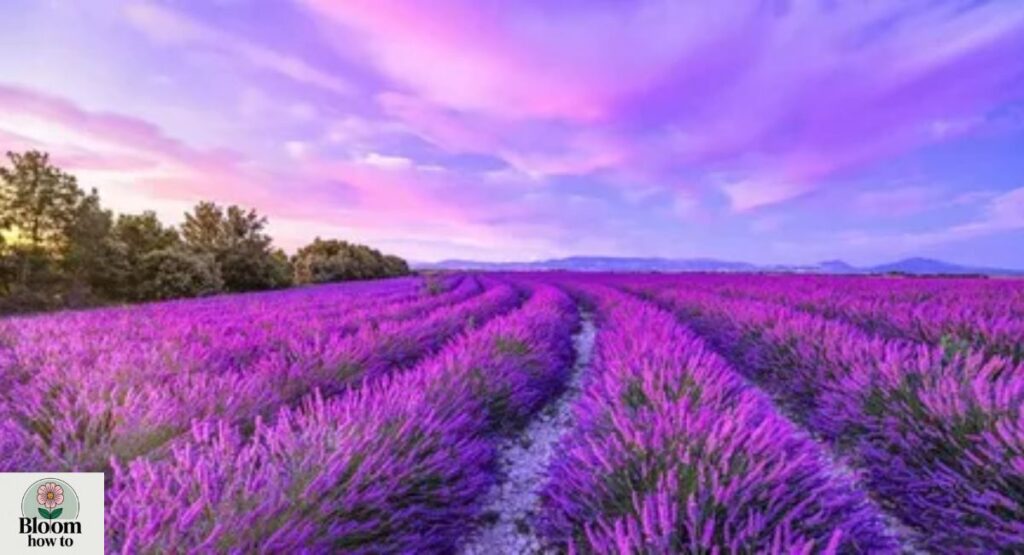
Lavender grows best in sunny fields and spreads a sweet, relaxing scent. Its purple spikes attract bees and butterflies. People love it for making perfumes, oils, and even tea.
Wild Violet
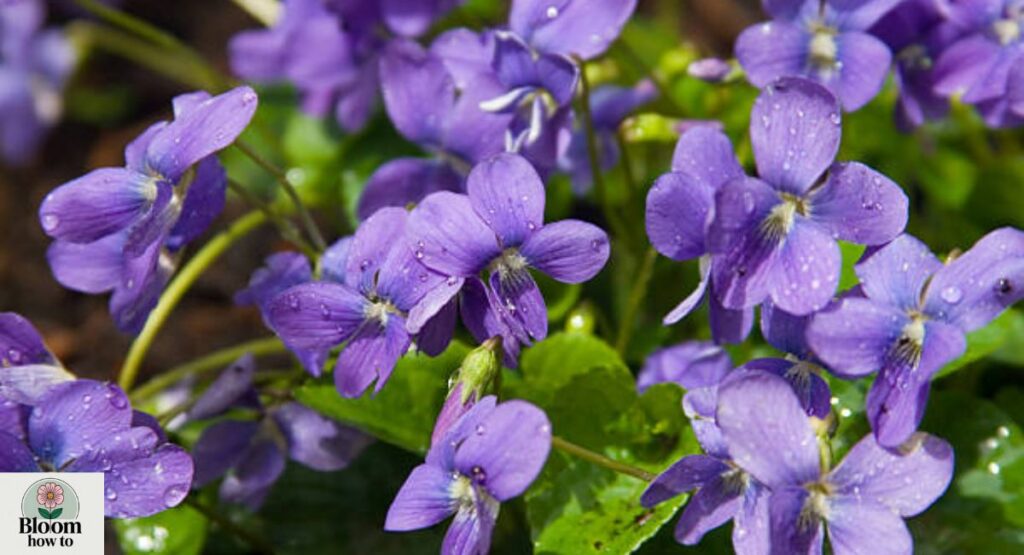
Small yet charming, the wild violet blooms in spring and covers lawns and woods. Its heart-shaped leaves and deep color make it a symbol of modest beauty.
Purple Coneflower
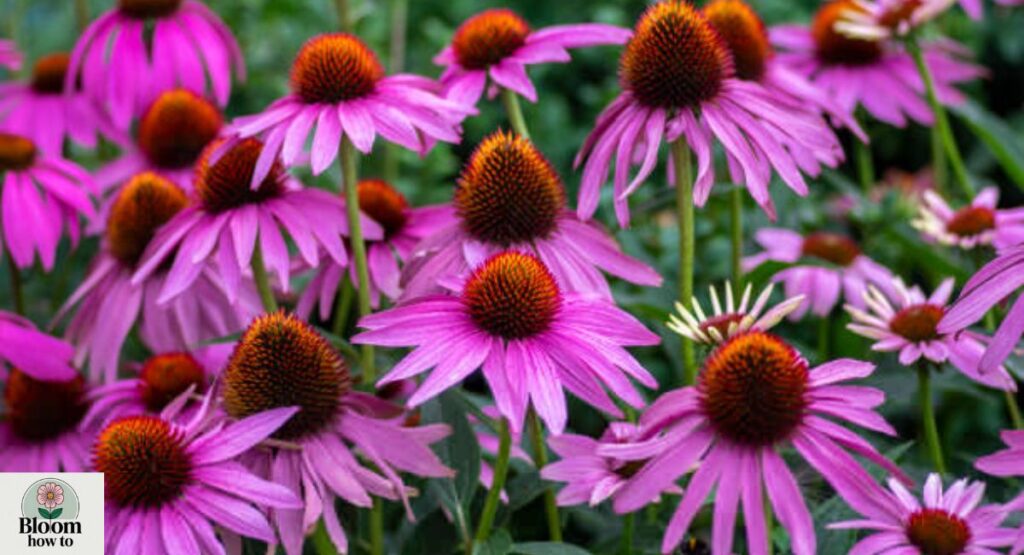
Also known as Echinacea, this flower stands tall with a spiky orange center. It’s not only beautiful but also known for its healing properties in natural medicine.
Lupine
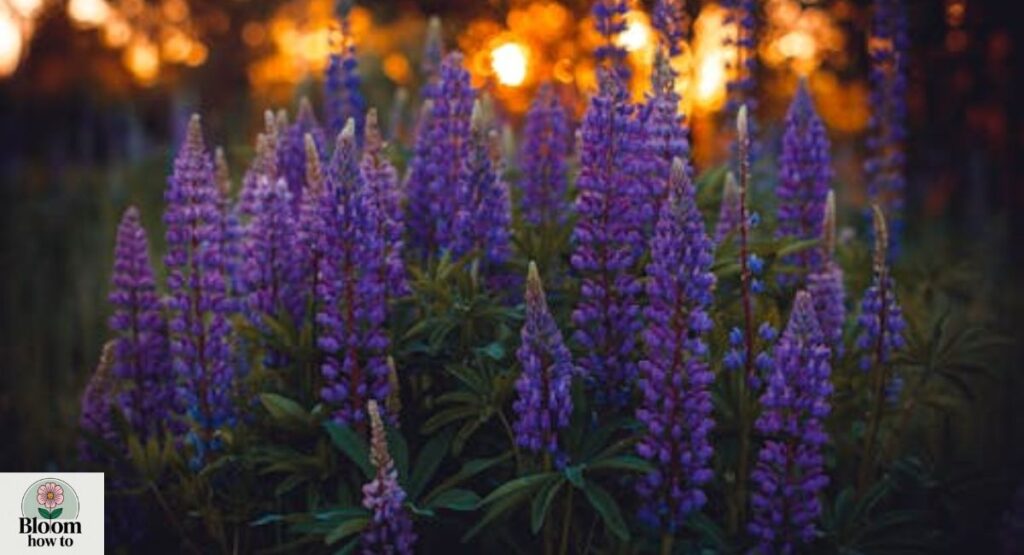
Lupines look like tall candles of purple petals. They thrive in open fields and help fix nitrogen in soil, making them useful as well as lovely.
Alfalfa Flower
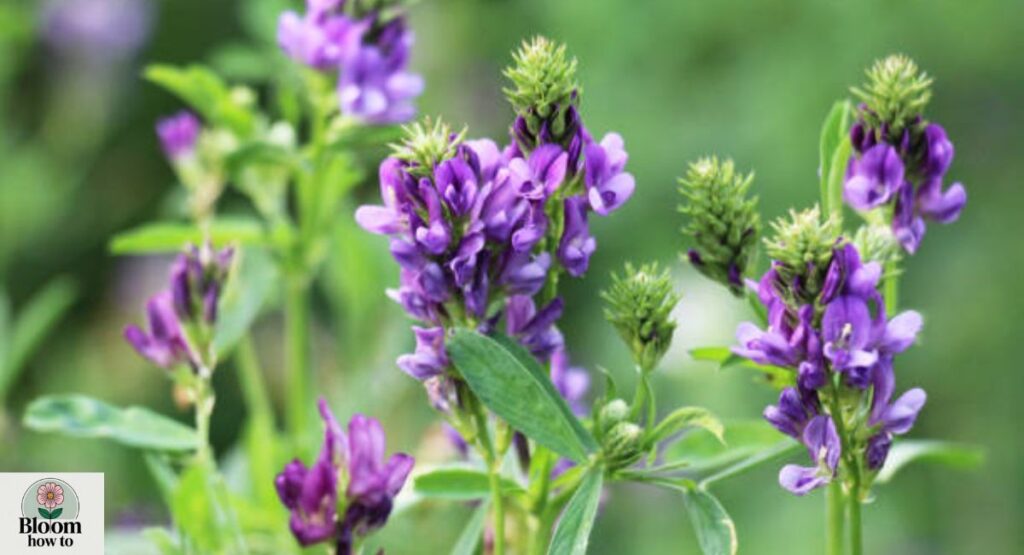
The alfalfa flower grows in clusters of lilac blooms. Farmers value it for feeding livestock, while nature lovers admire its rich purple hue.
Bee Balm
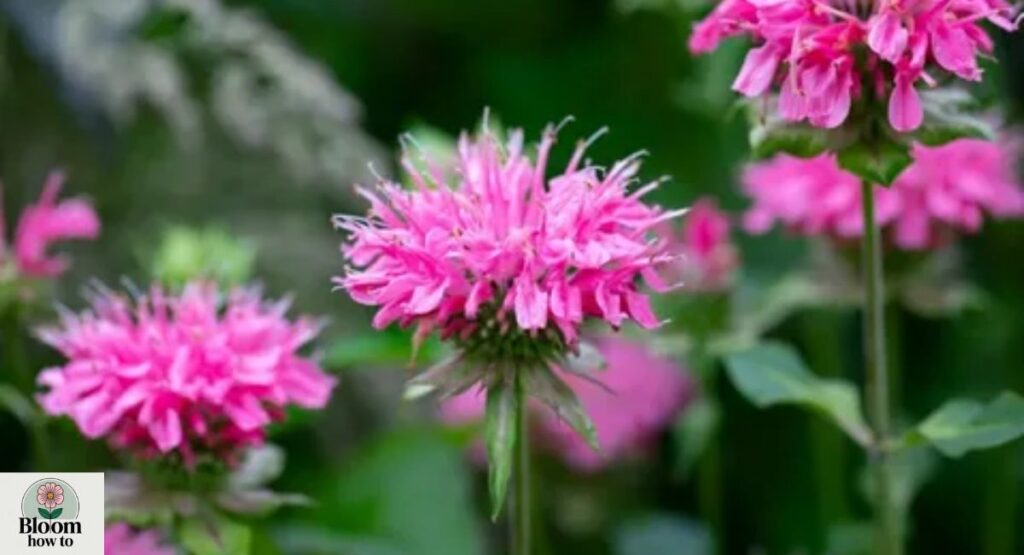
This striking wildflower attracts bees and hummingbirds with its vivid petals. Its minty fragrance makes it a favorite for herbal teas.
Wild Geranium
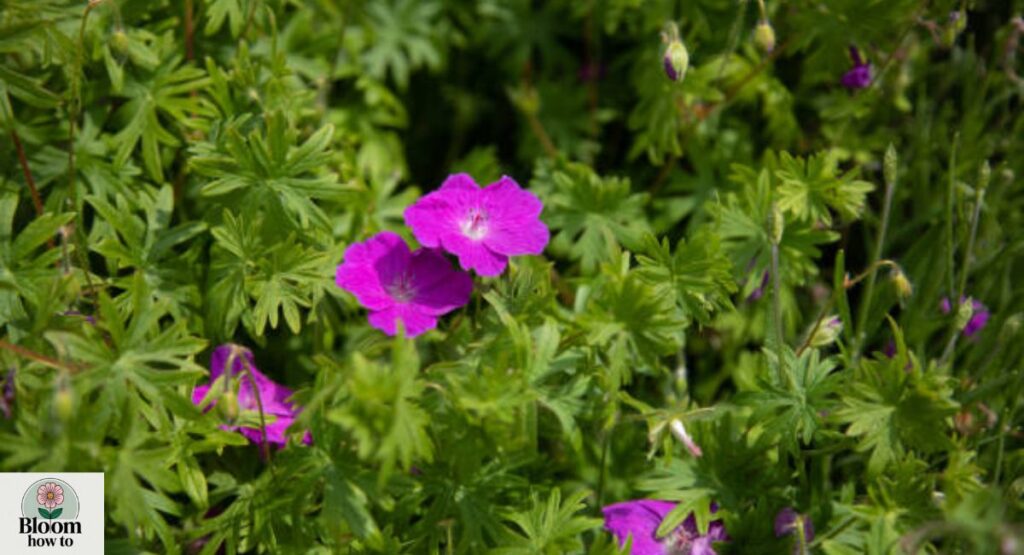
Wild geraniums fill woodlands with delicate purple blooms. They symbolize gentleness and are often used in natural skincare.
Ironweed
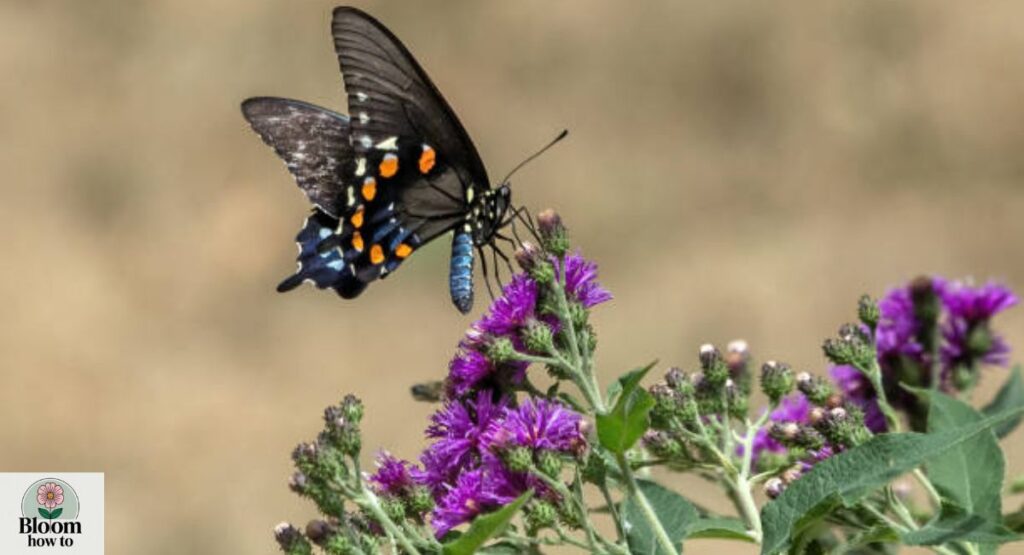
With its tall stems and bold violet heads, ironweed adds drama to late-summer fields. It’s tough, thriving even in rough soils.
Dame’s Rocket
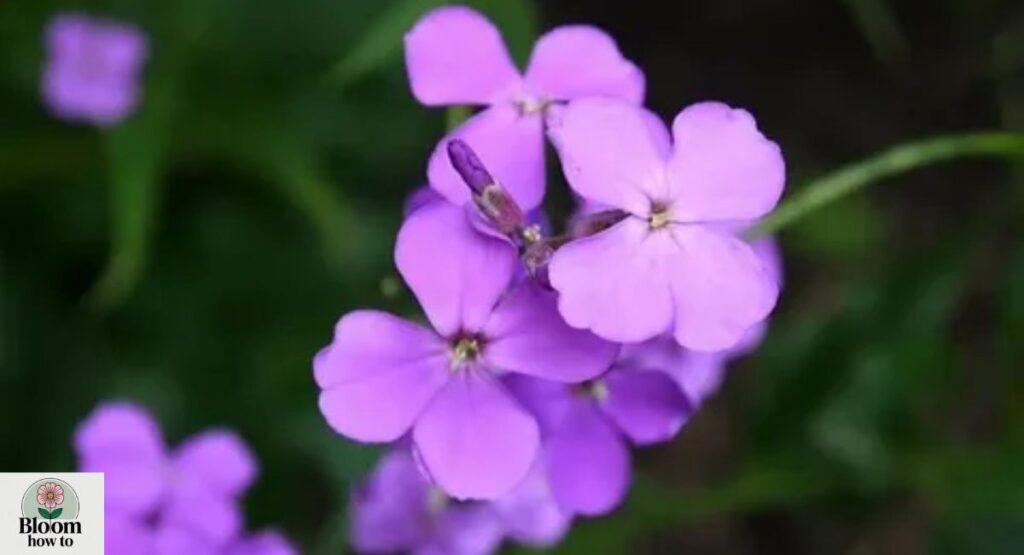
Dame’s Rocket blooms in clusters of light purple petals. It’s one of the first signs of spring, spreading color before most flowers wake up.
10 Yellow Wild Flowers
Black-Eyed Susan
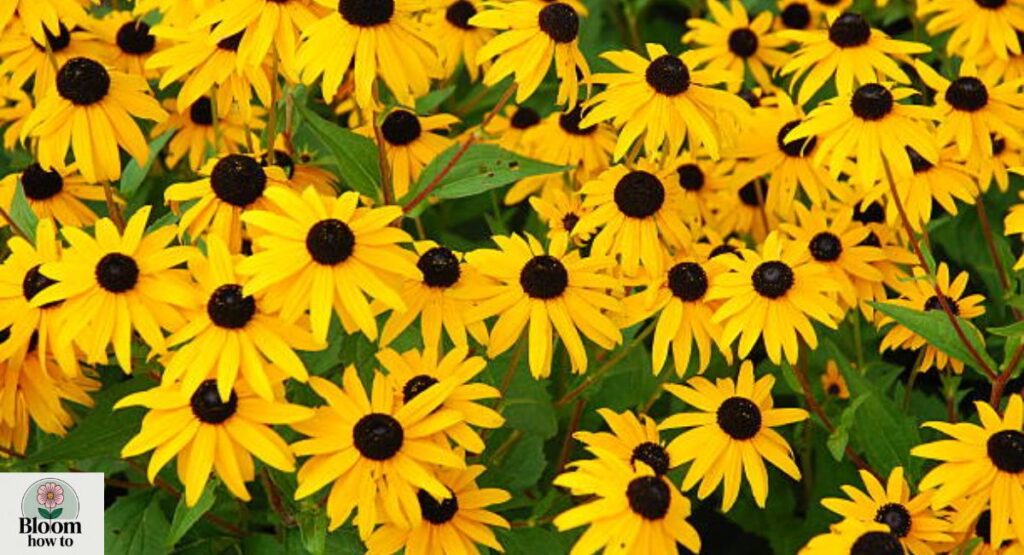
Black-eyed Susans brighten meadows with golden petals and dark centers. They symbolize strength and endurance, thriving under the hot American sun.
Dandelion
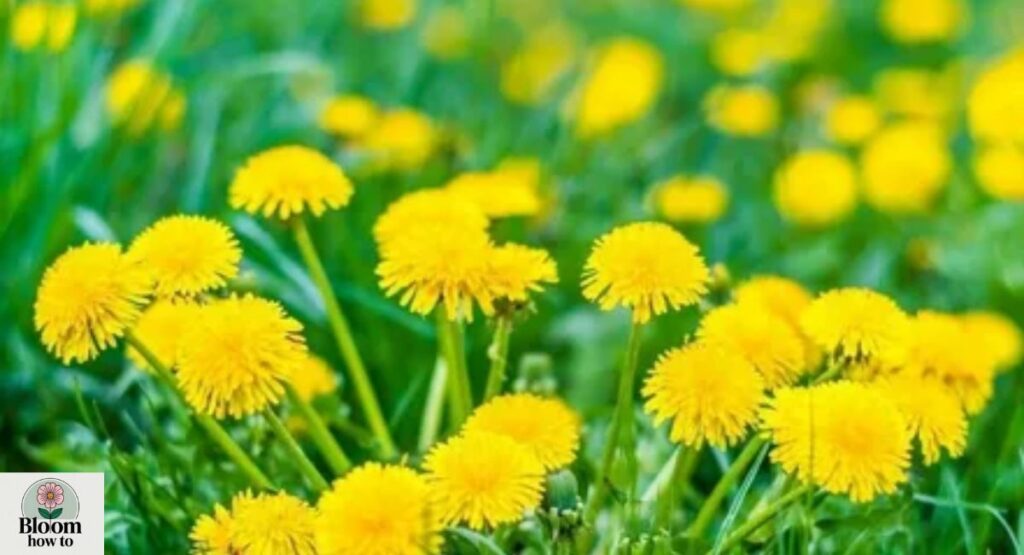
Often seen as a weed, the dandelion is a true survivor. Its yellow bloom feeds pollinators, and its fluffy seeds spread new life with the wind.
Goldenrod
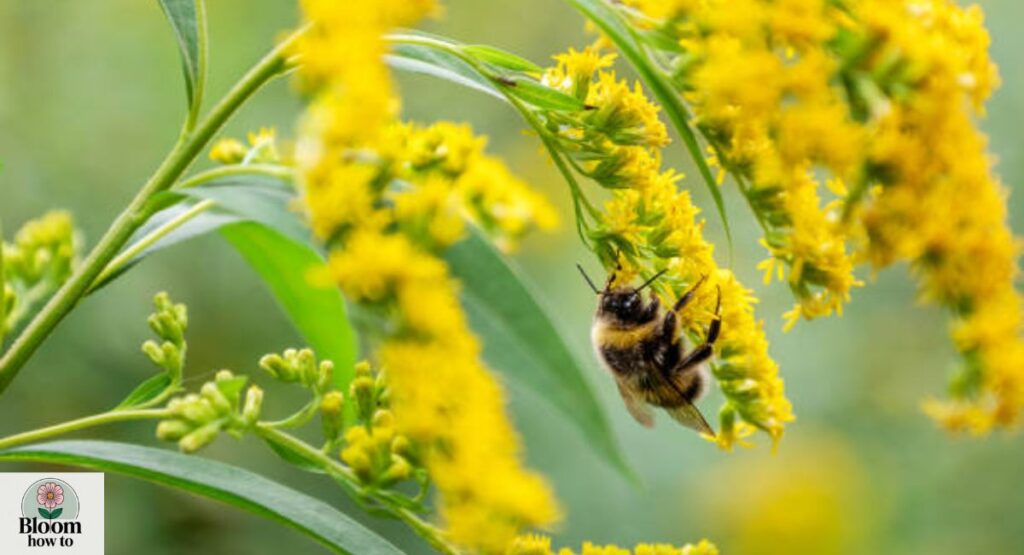
Goldenrod fills fields with tall yellow plumes in late summer. Despite myths, it doesn’t cause allergies it’s actually a pollinator’s paradise.
Buttercup
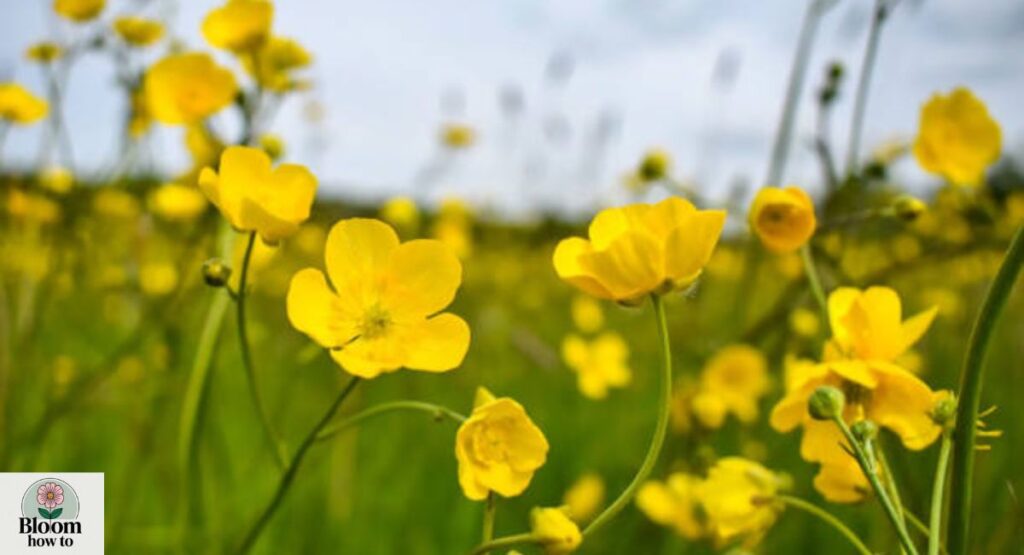
Shiny buttercups glow like drops of sunshine. They’re small but cheerful, often seen dancing in open fields after spring rains.
Coreopsis
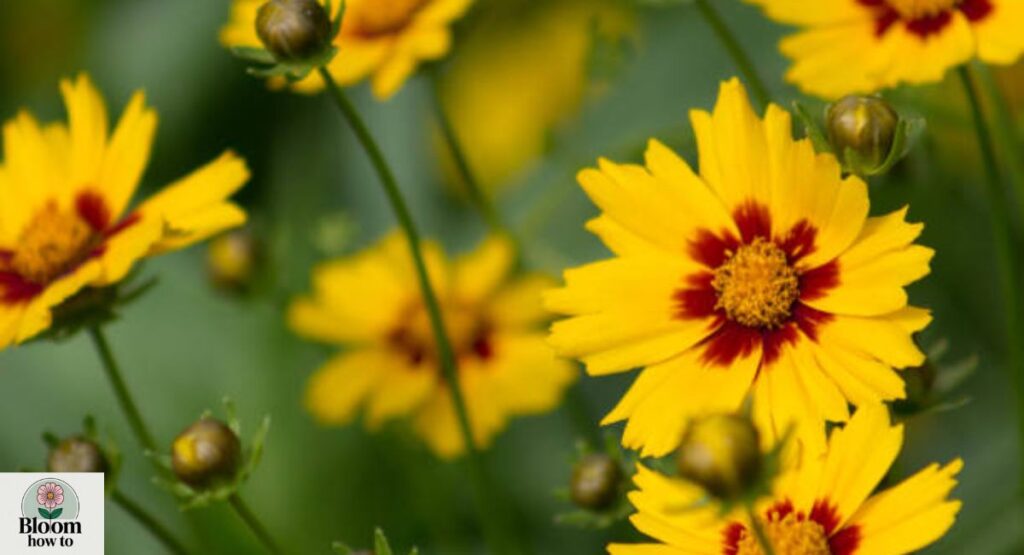
Called “tickseed,” coreopsis blooms in cheerful yellow shades. It’s a symbol of joy and optimism and grows easily across warm southern states.
Wild Sunflower
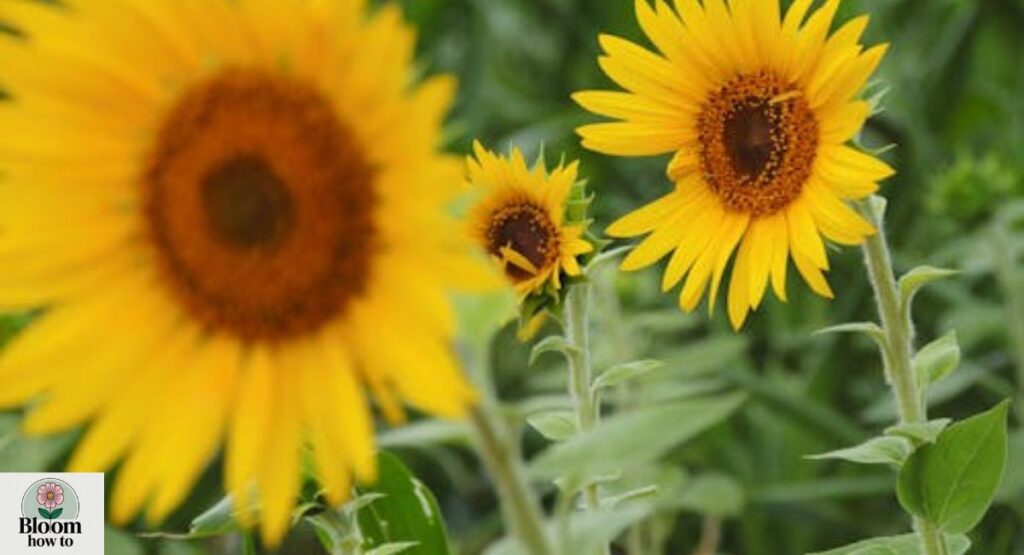
The wild sunflower turns its face toward the light. It’s a symbol of positivity and energy, painting the plains gold every summer.
Bird’s-Foot Trefoil
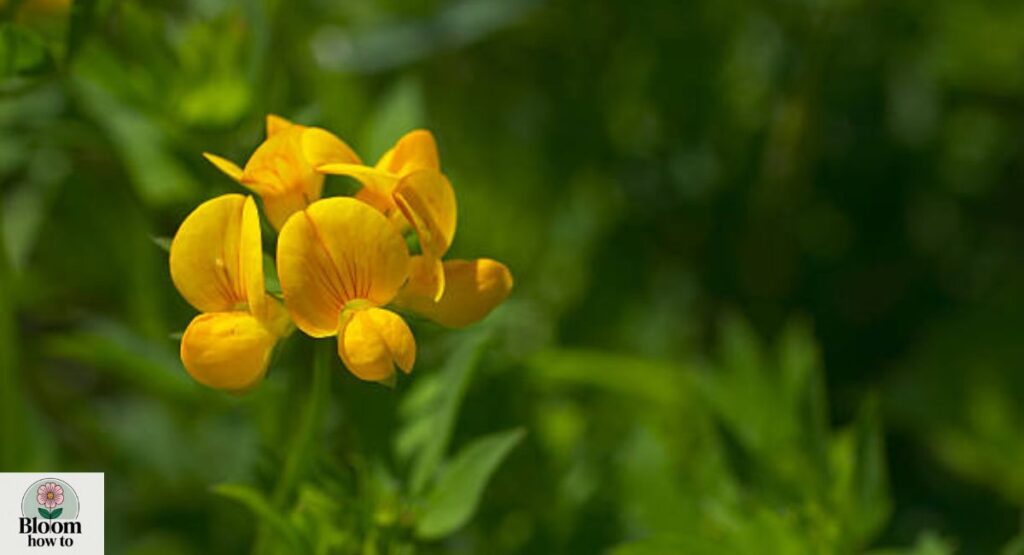
This low-growing flower forms golden clusters near roadsides. Bird’s-foot trefoil prevents soil erosion and supports bees in summer.
Evening Primrose
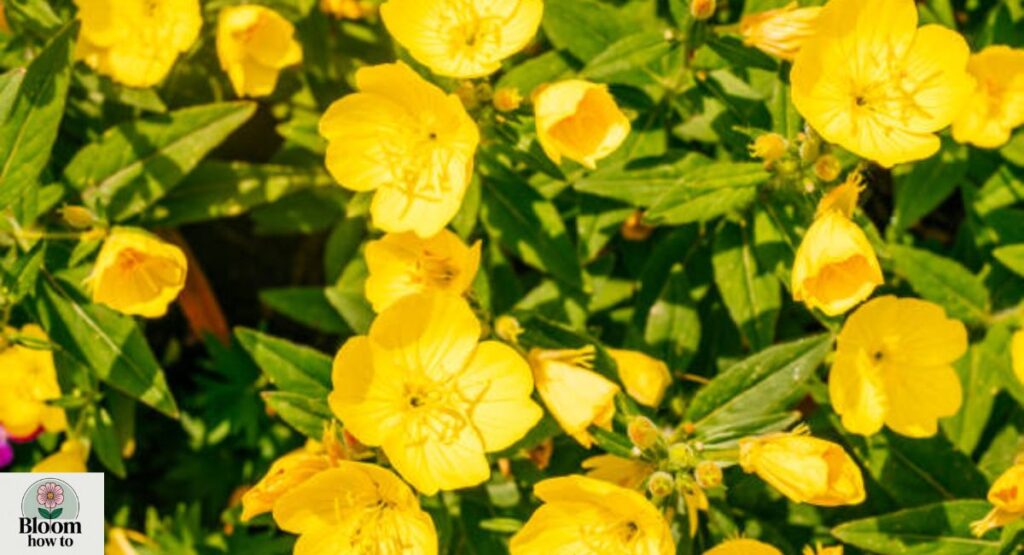
Evening primrose opens its petals at dusk, glowing softly under moonlight. Its oils are famous for natural health benefits.
Yellow Jessamine
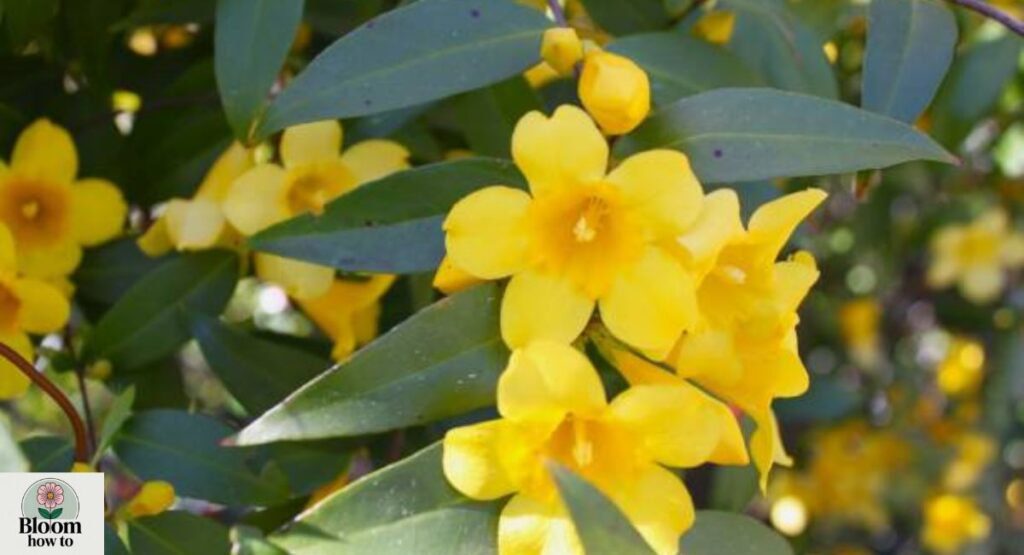
The state flower of South Carolina, yellow jessamine has a sweet scent and bell-shaped blooms that brighten early spring.
Sneezeweed
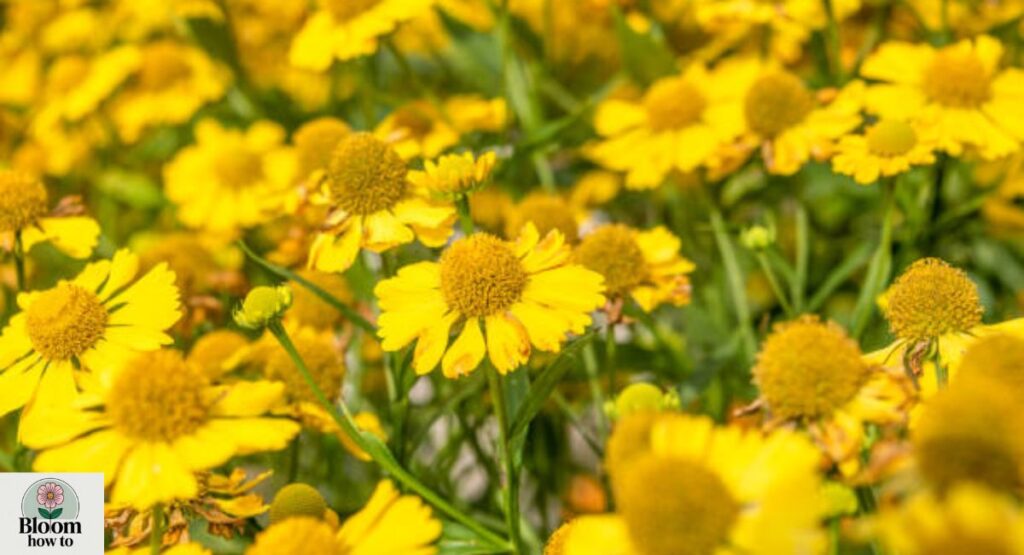
Despite the name, sneezeweed doesn’t cause sneezing. Its yellow-orange flowers stand tall in late summer, adding warmth to open fields.
10 White Wild Flowers
Daisy
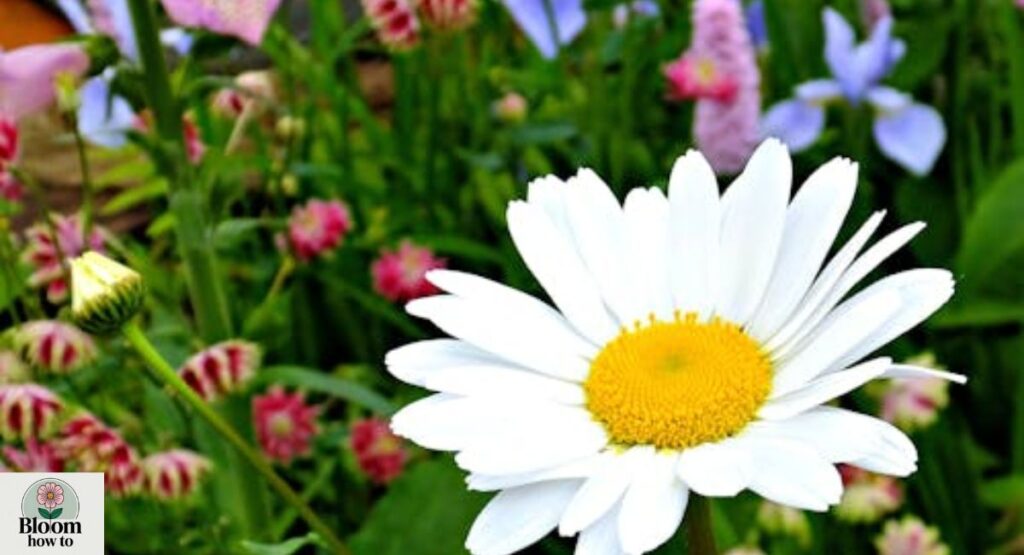
Daisies symbolize innocence and joy. Their white petals with yellow centers fill open fields and lawns all across the USA.
Yarrow
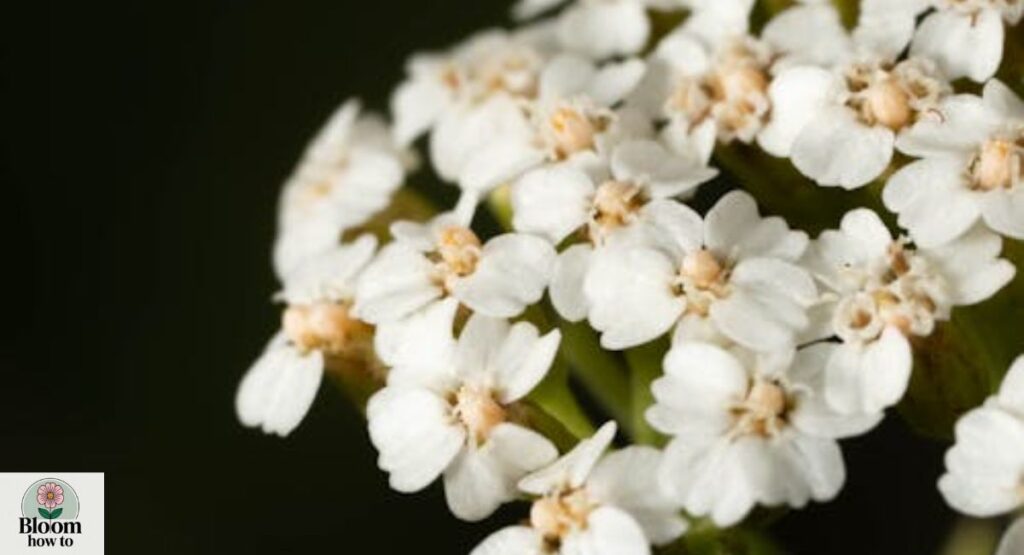
Yarrow has feathery leaves and flat white clusters. It’s been used for centuries as a healing herb and still grows wild across America.
Queen Anne’s Lace
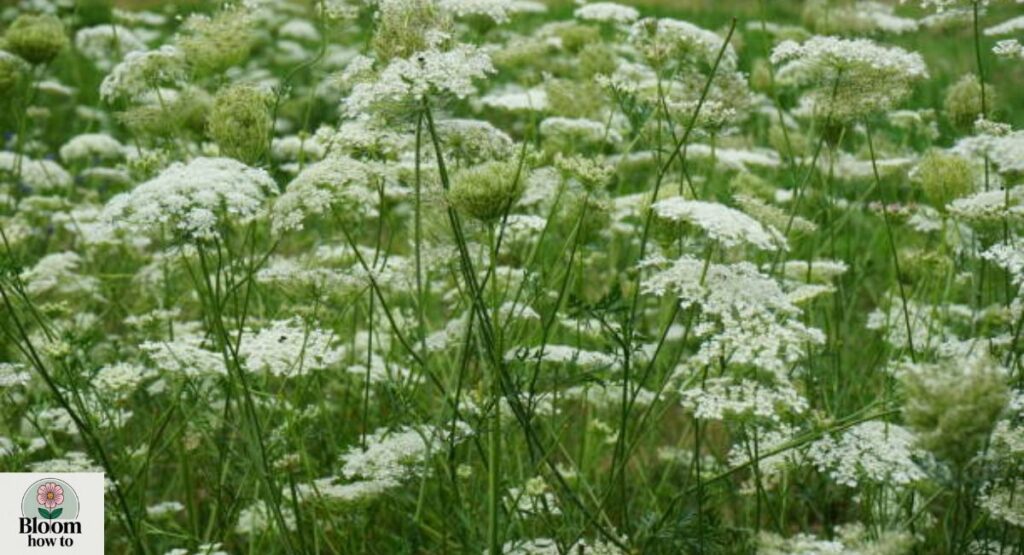
This delicate white wildflower looks like lace spread across the grass. Its tiny blooms attract bees and add elegance to wild bouquets.
Wild Strawberry Bloom
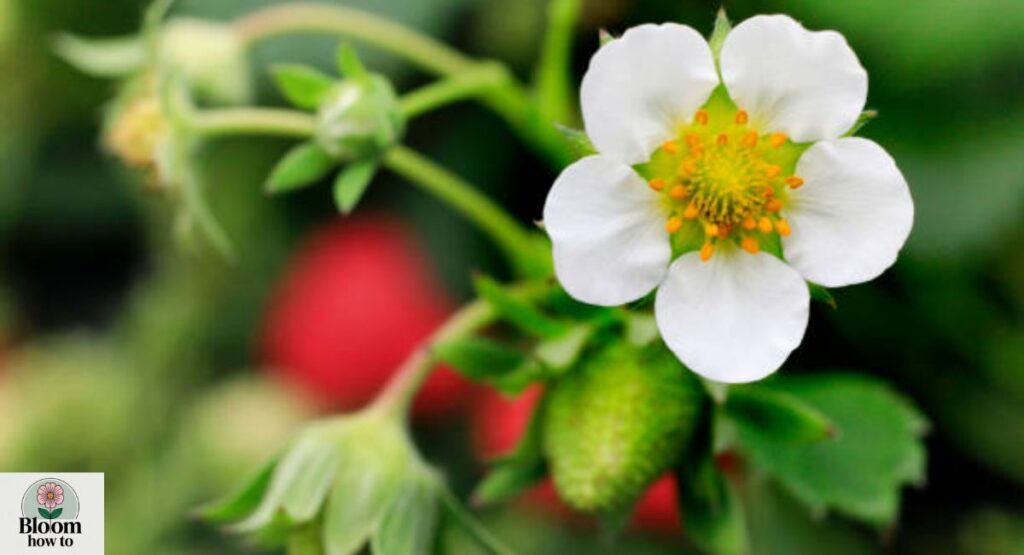
Before strawberries grow, wild strawberry plants burst into small white flowers. They bring sweet promise to forest edges each spring.
Trillium
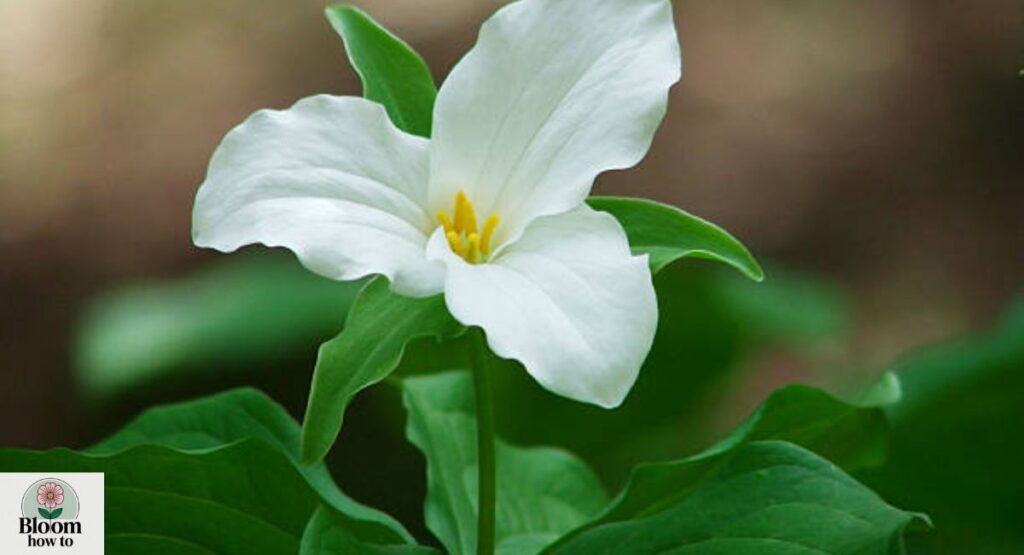
Trilliums are rare and elegant with three white petals. Found in shaded woods, they’re a true gem of North America’s wild flora.
Snowdrop
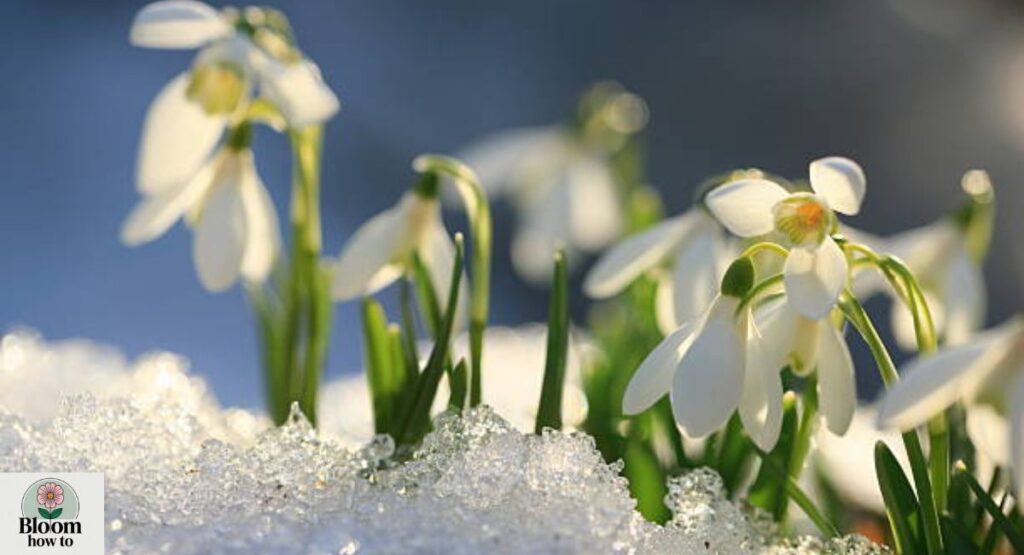
Snowdrops bloom even before winter ends. Their drooping white bells are symbols of hope and new beginnings.
Wild Aster
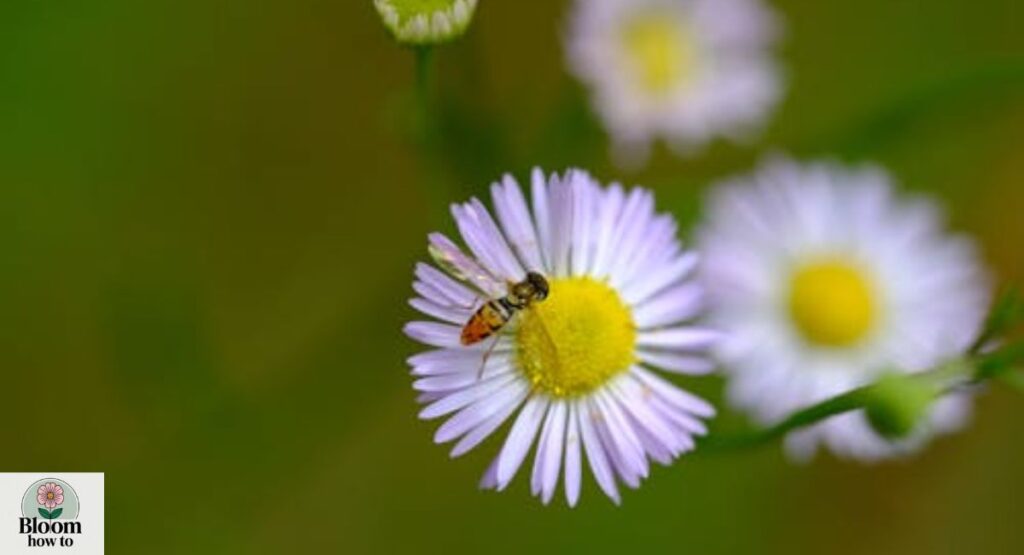
White asters appear in fall, bringing soft color when most flowers fade. They blend perfectly with white,purple and yellow blooms.
White Clover
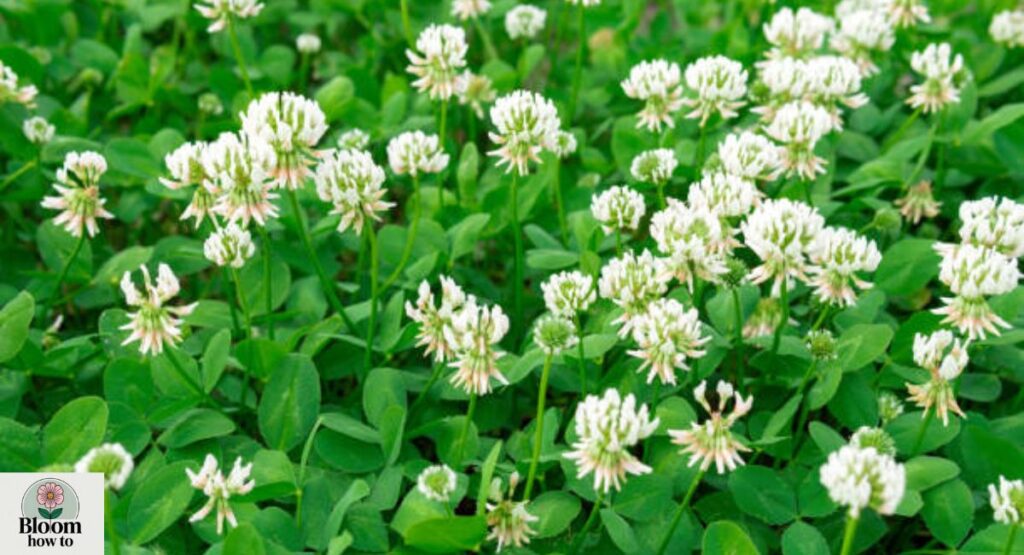
Found in lawns everywhere, white clover helps enrich the soil. Its small blossoms feed bees and symbolize good luck.
Bloodroot
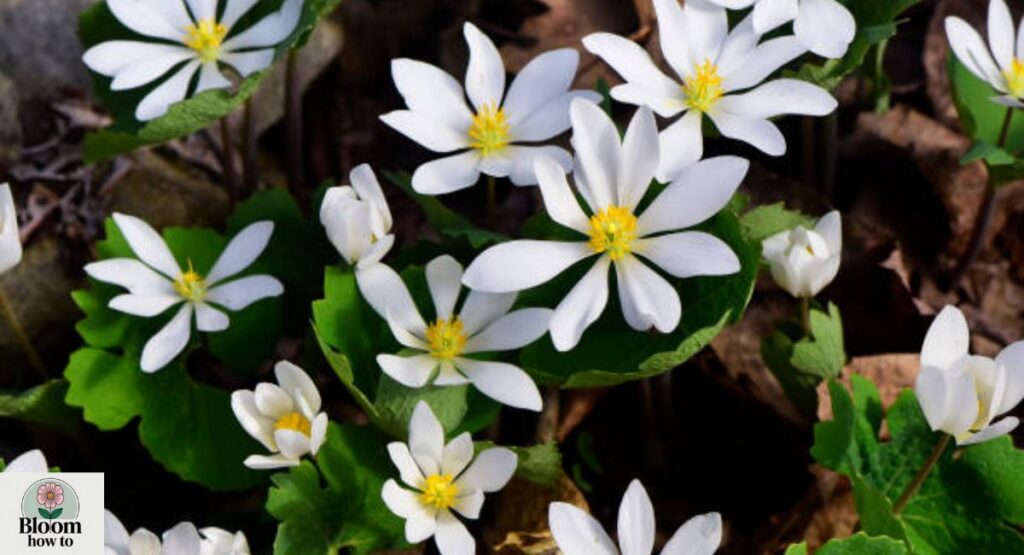
Bloodroot opens in early spring with pure white petals. Its red sap once served as natural dye among Native Americans.
Mayapple
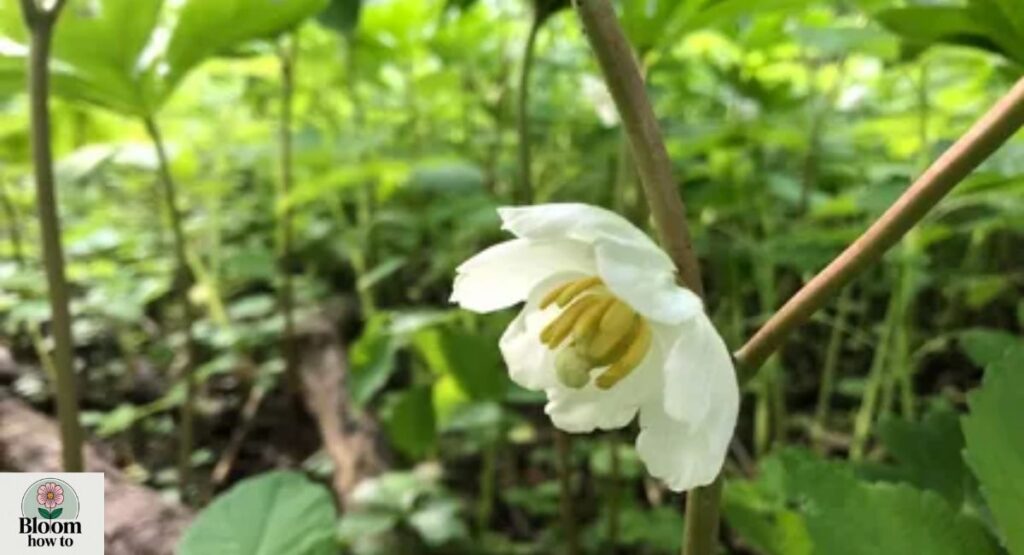
Under its broad leaf hides a single white flower. The mayapple thrives in shady woods and produces a small edible fruit later in the season.
10 Pink Wild Flowers
Wild Rose
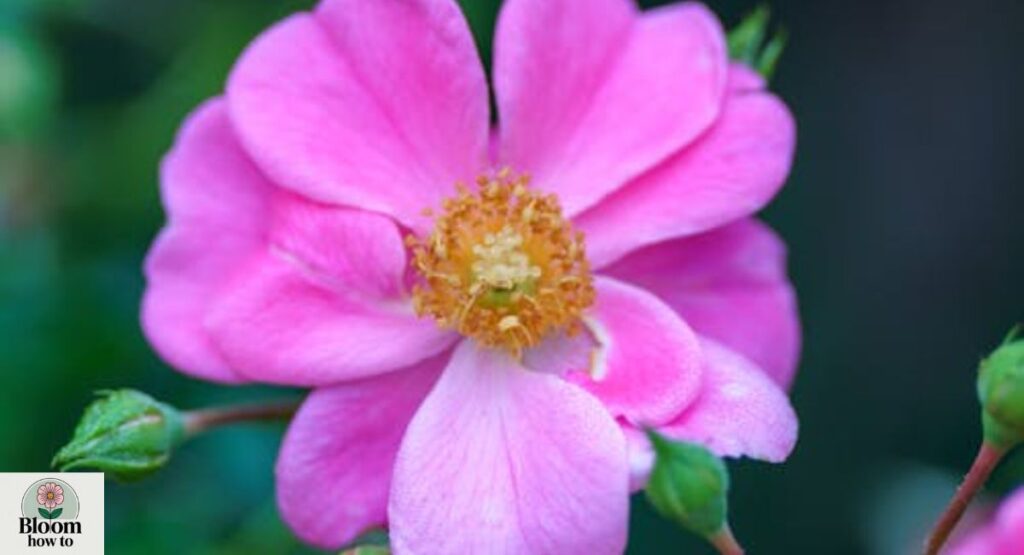
The wild rose spreads a soft fragrance through summer air. Its pale pink petals represent love and grace in the simplest form.
Pink Lady’s Slipper
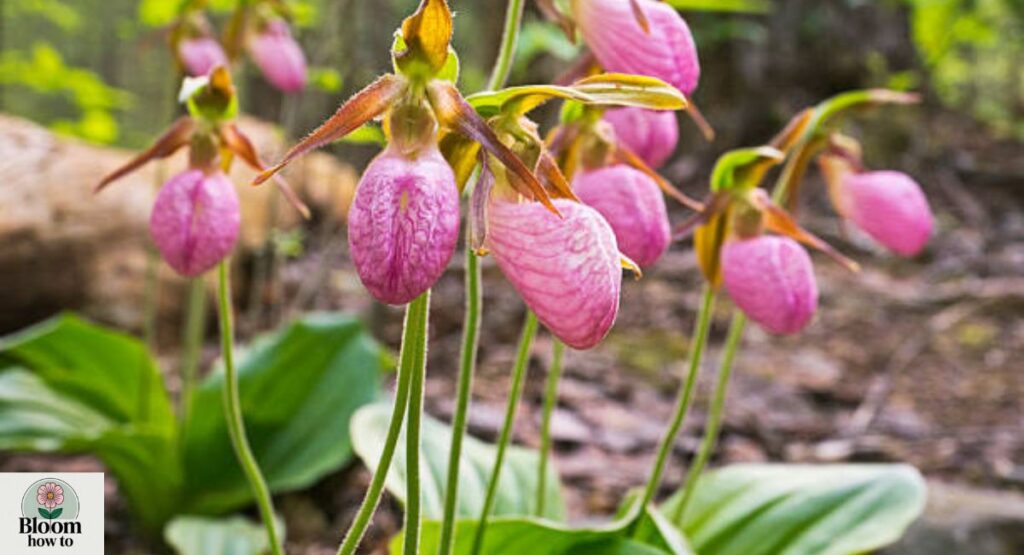
A rare orchid, the pink lady’s slipper grows in forest soil. Its pouch-shaped bloom looks like a slipper, charming and unique.
Campion
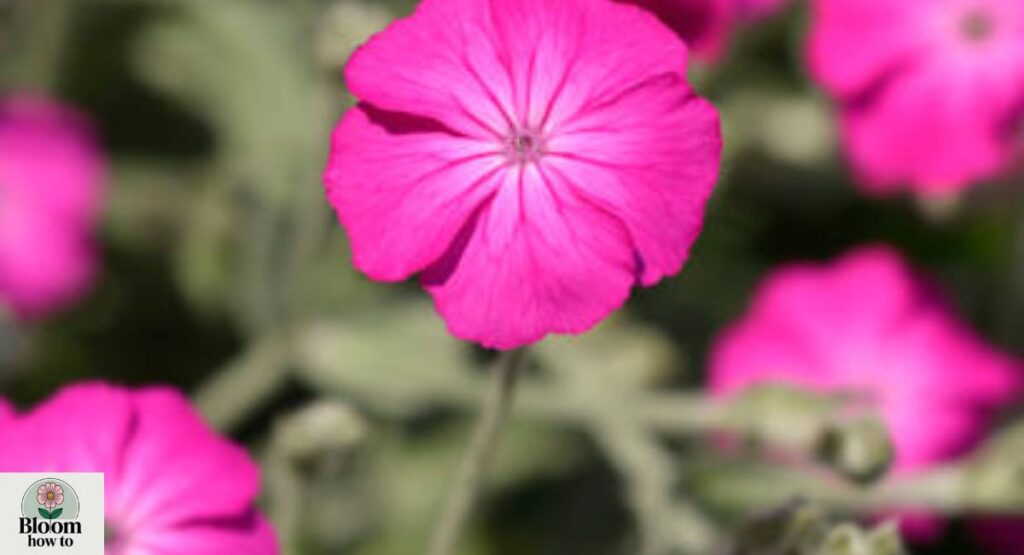
Campion flowers open at night, revealing deep pink petals. They light up meadows and attract moths after sunset.
Clover
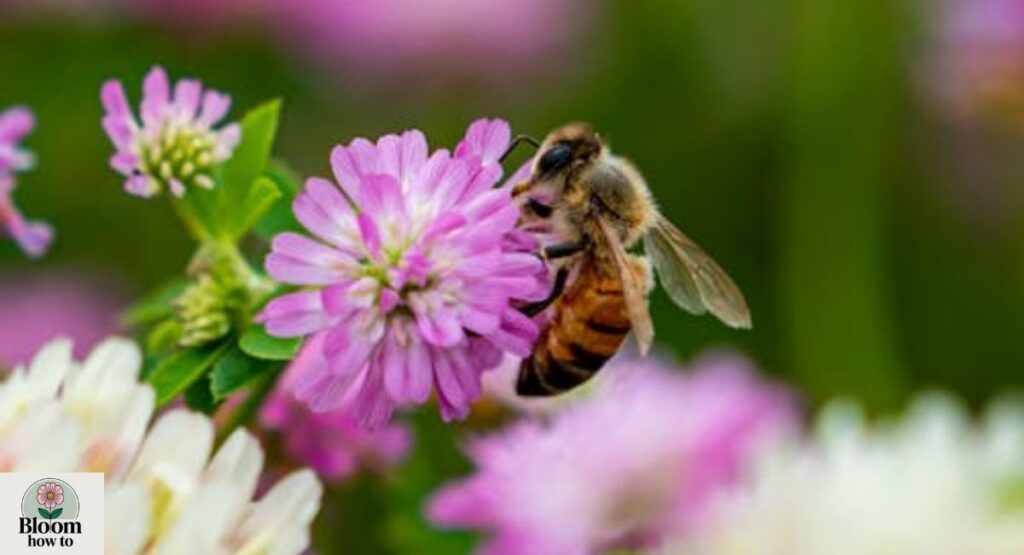
Pink clover fills pastures with sweet-scented blooms. Farmers value it for bees, and children love making flower crowns from it.
Phlox
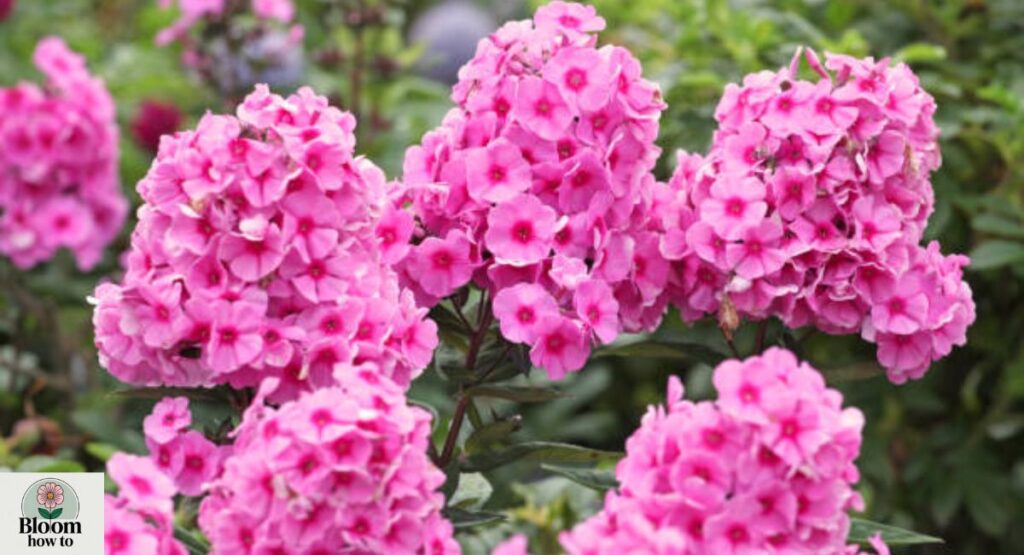
Phlox spreads carpets of pink across gardens and rocky hills. Its bright color attracts hummingbirds all through spring.
Spirea
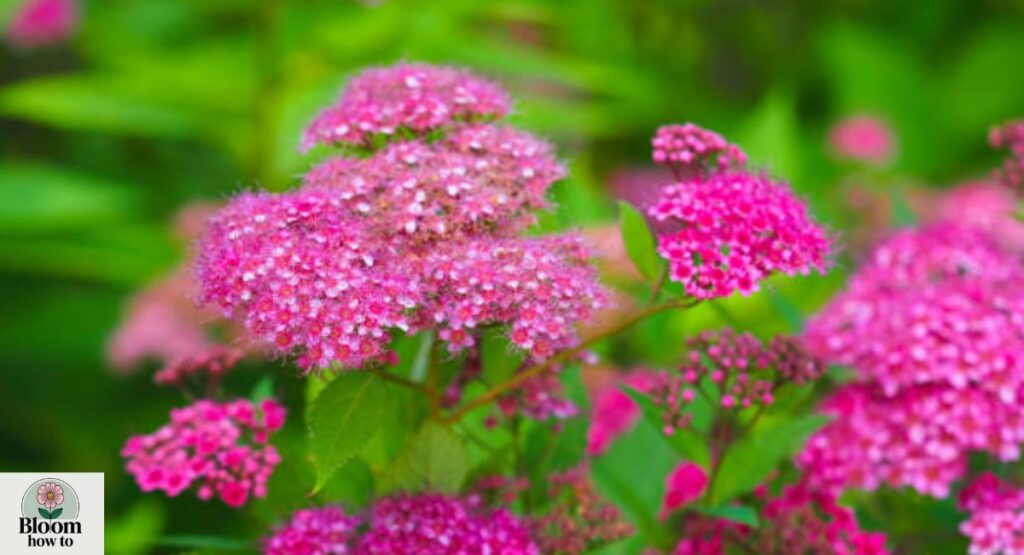
Spirea shrubs produce tiny pink clusters that look like clouds of cotton candy. They add elegance to gardens and wild paths alike.
Milkweed
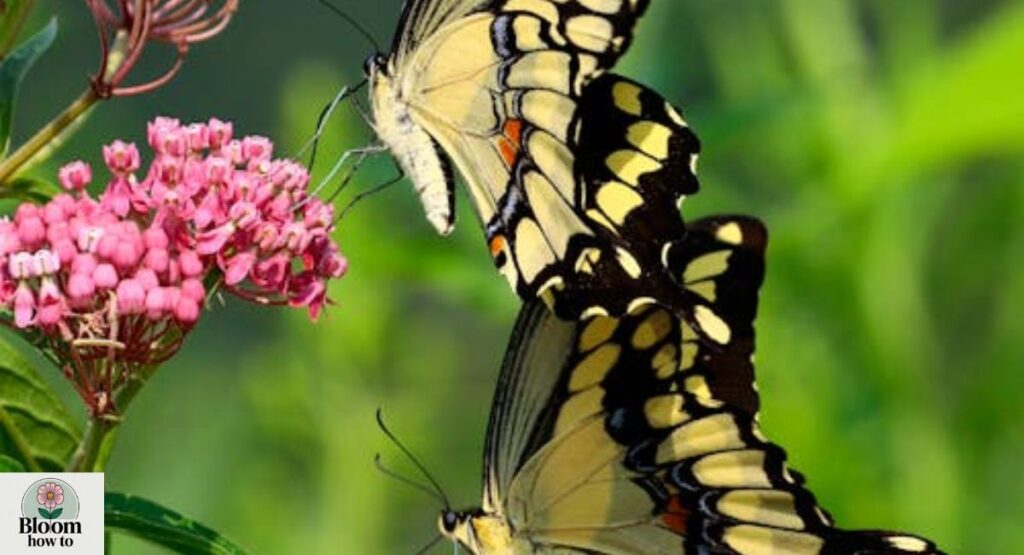
Milkweed is essential for Monarch butterflies. Its pink blooms feed caterpillars and keep the butterfly population strong.
Crown Vetch
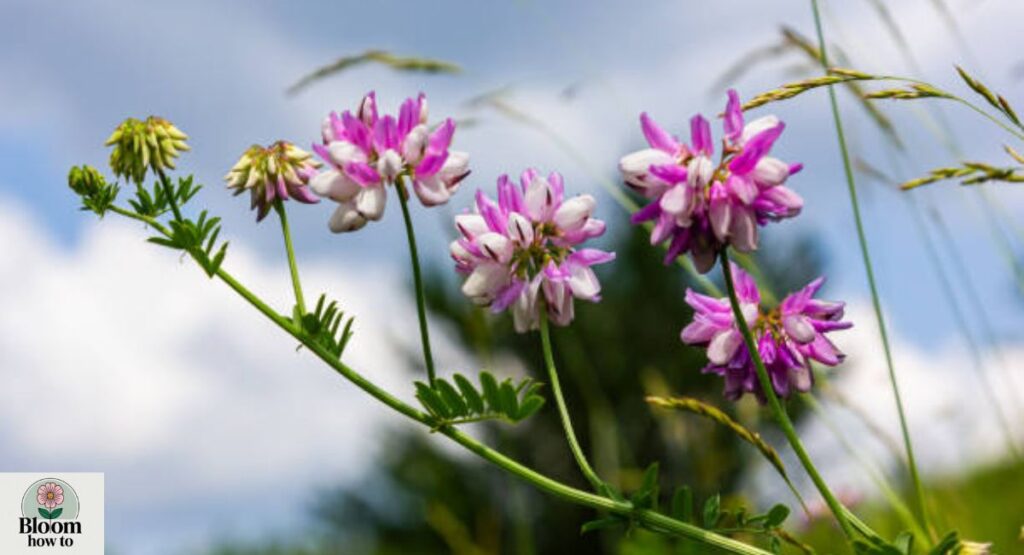
The crown vetch forms round pink clusters. It grows quickly and helps prevent soil erosion along highways.
Wild Bergamot
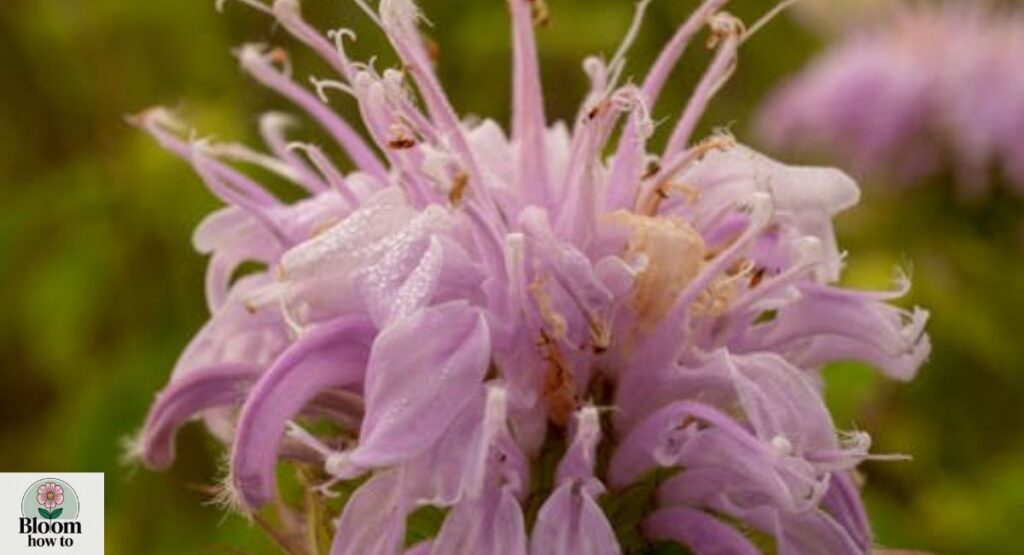
Known as bee balm, wild bergamot has pinkish-lavender blooms. Its leaves release a minty scent when crushed.
Joe-Pye Weed
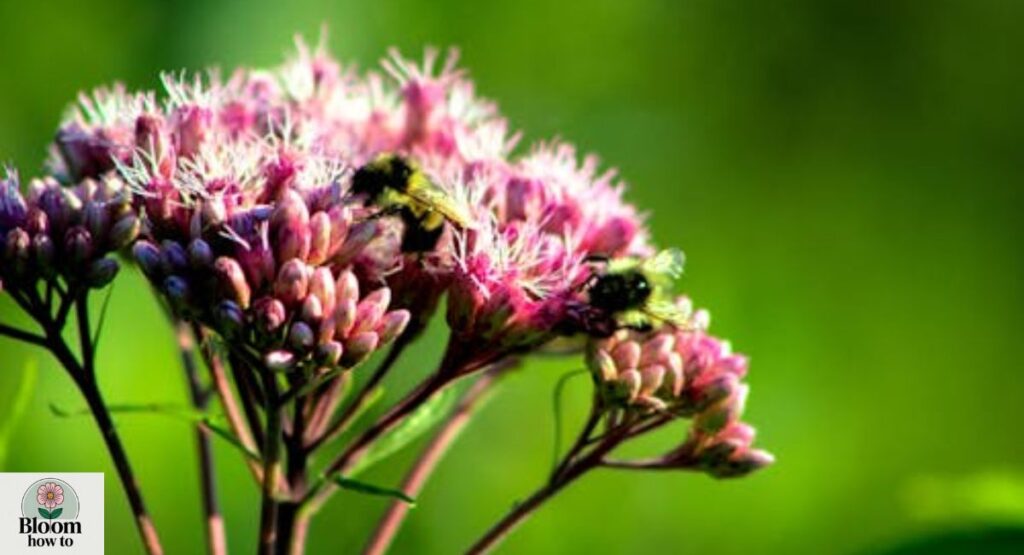
Tall and fluffy, Joe-Pye Weed blooms in late summer. Its pink clusters stand high above grasslands, inviting bees from afar.
10 Blue Wild Flowers
Chicory
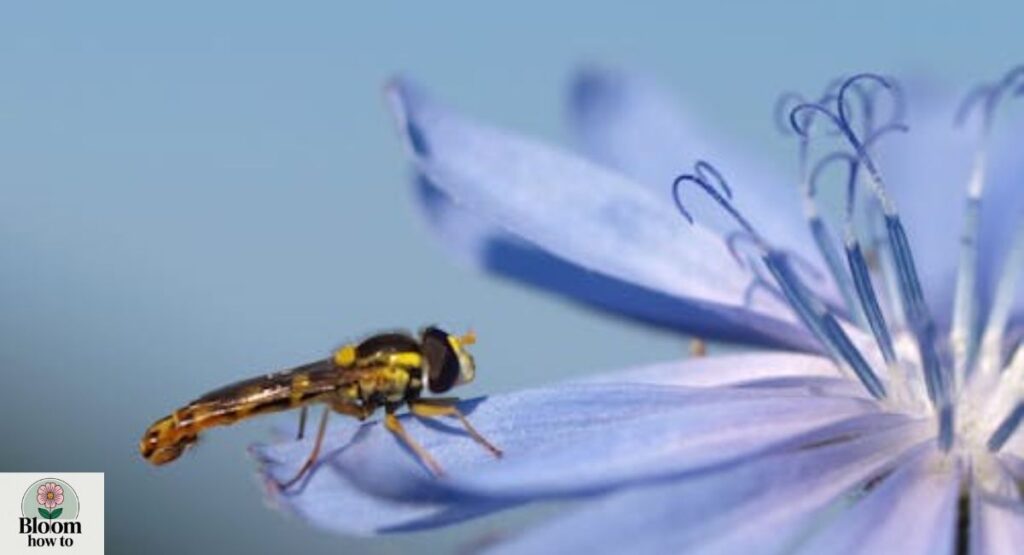
Chicory grows along highways, showing off sky-blue petals. It’s known for its root, used as a coffee substitute in some regions.
Cornflower
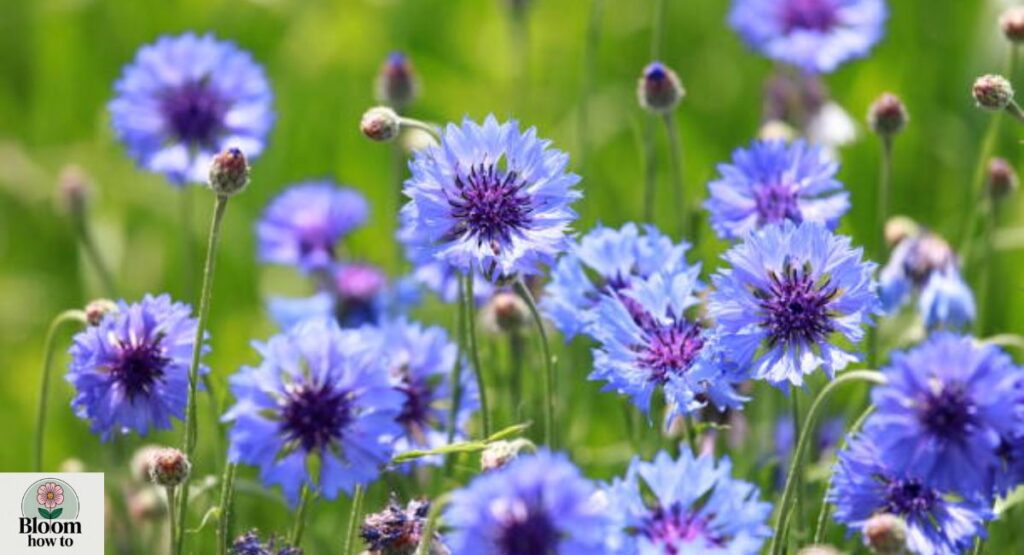
The cornflower, also called bachelor’s button, stands out with its deep blue color. It’s a favorite in wildflower bouquets and summer gardens.
Bluebell
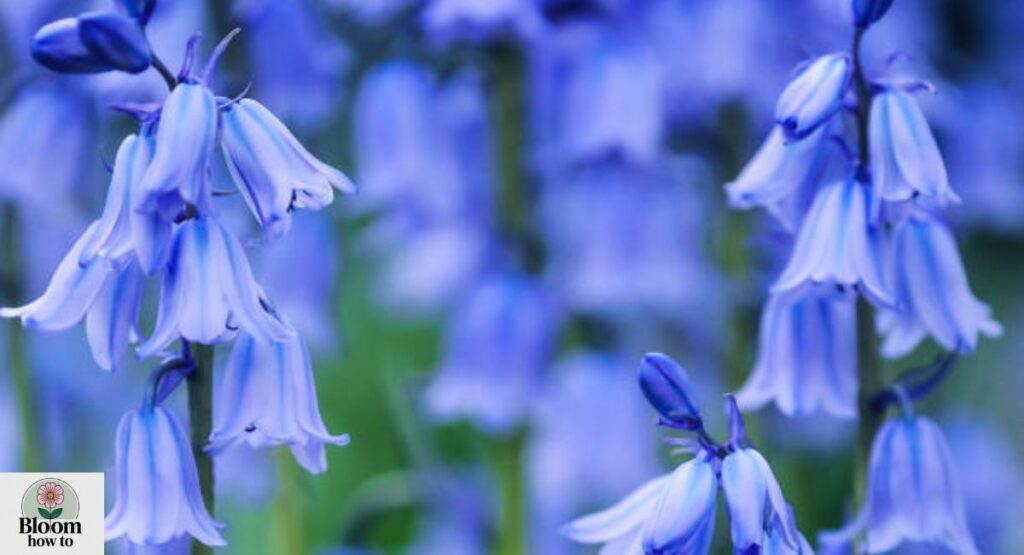
Bluebells create a magical sight in wooded areas each spring. Their hanging blue blooms symbolize gratitude and lasting love.
Flax Flower
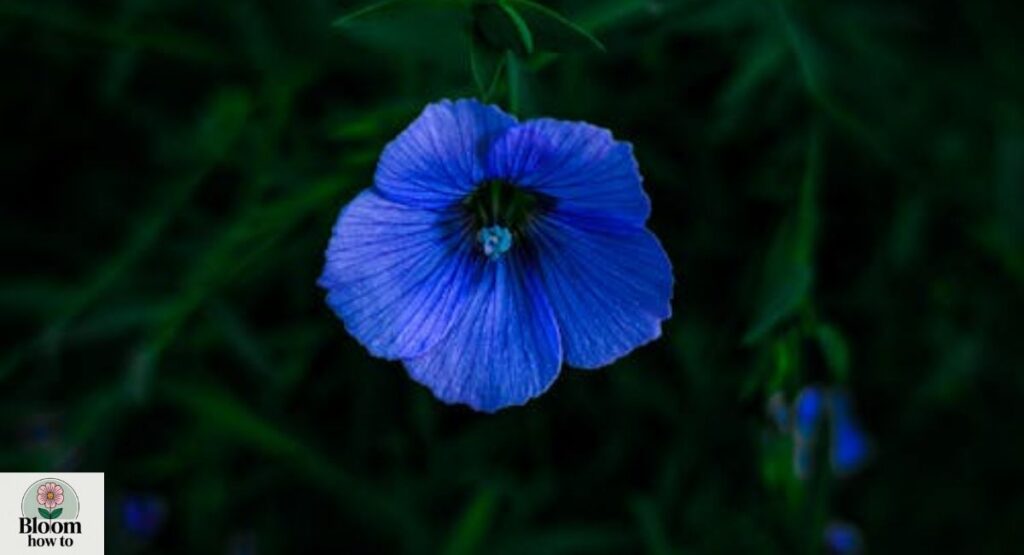
Flax flowers wave gently in the wind with pale blue petals. Their seeds produce linseed oil, widely used for health and cooking.
Blue Lupine
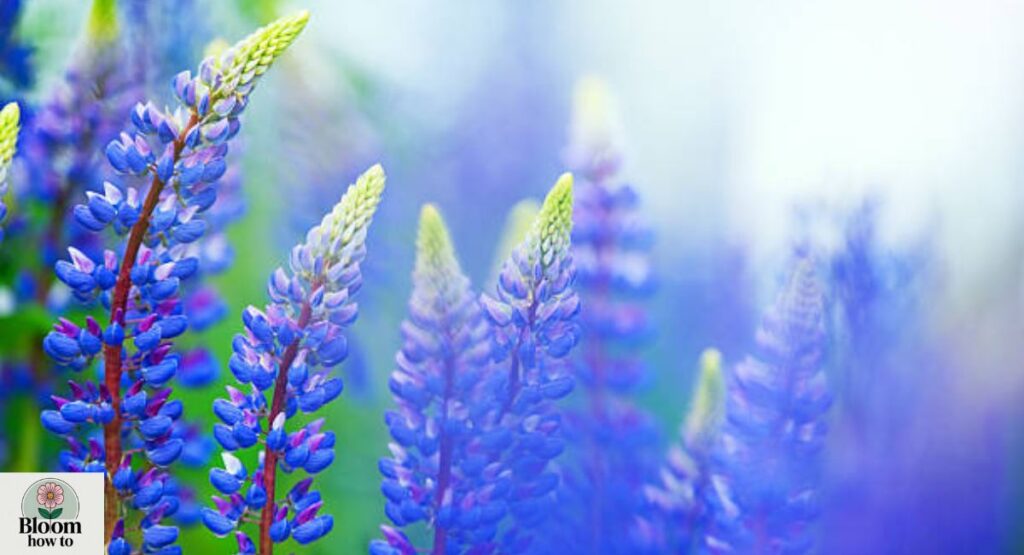
The blue lupine fills California fields with color. It’s the state flower of Texas, known locally as the Texas bluebonnet.
Forget-Me-Not
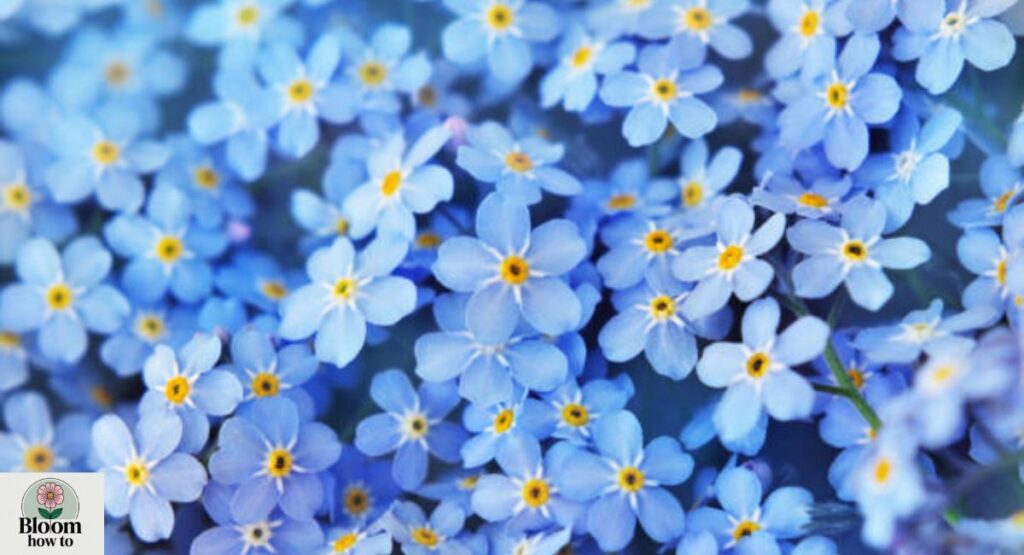
Tiny yet unforgettable, forget-me-nots bloom beside streams. They symbolize remembrance and eternal friendship.
Spiderwort
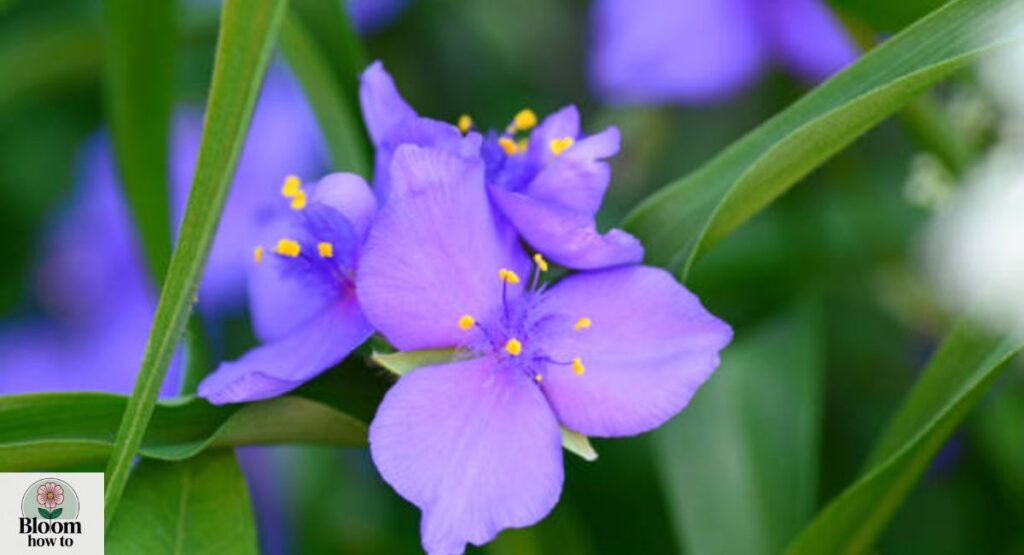
Spiderwort opens early in the morning and closes by noon. Its blue petals change color depending on sunlight and temperature.
Blue-Eyed Grass
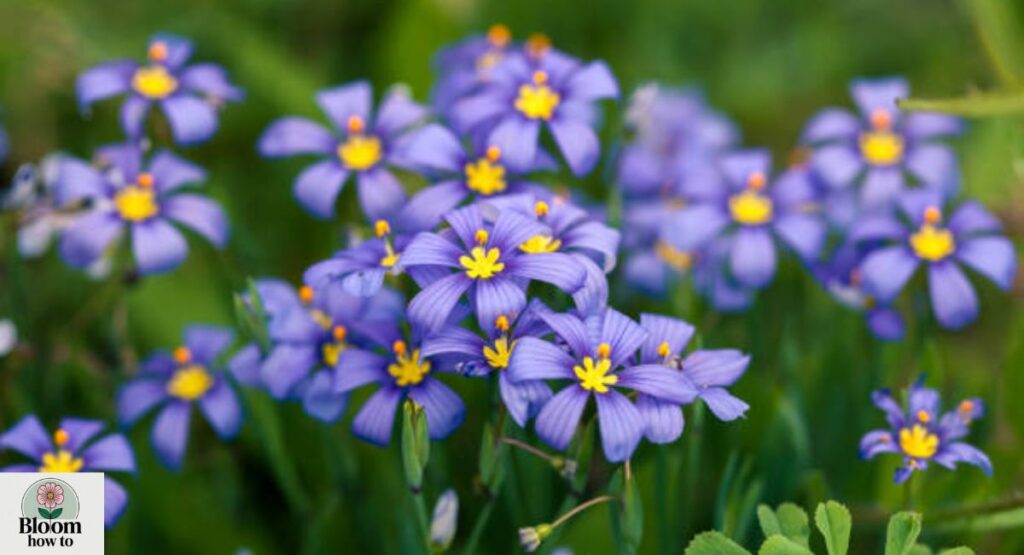
Despite its name, blue-eyed grass is not grass but a small iris. It adds gentle touches of blue to meadows and gardens.
Bachelor’s Button
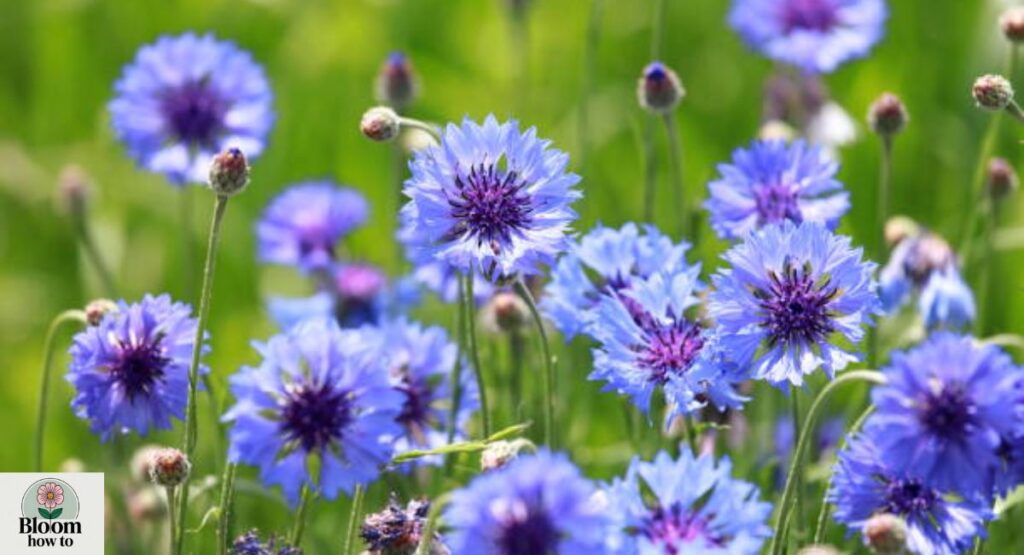
These bright blue blooms attract pollinators and photographers alike. Bachelor’s buttons make lovely additions to wildflower pictures.
Larkspur
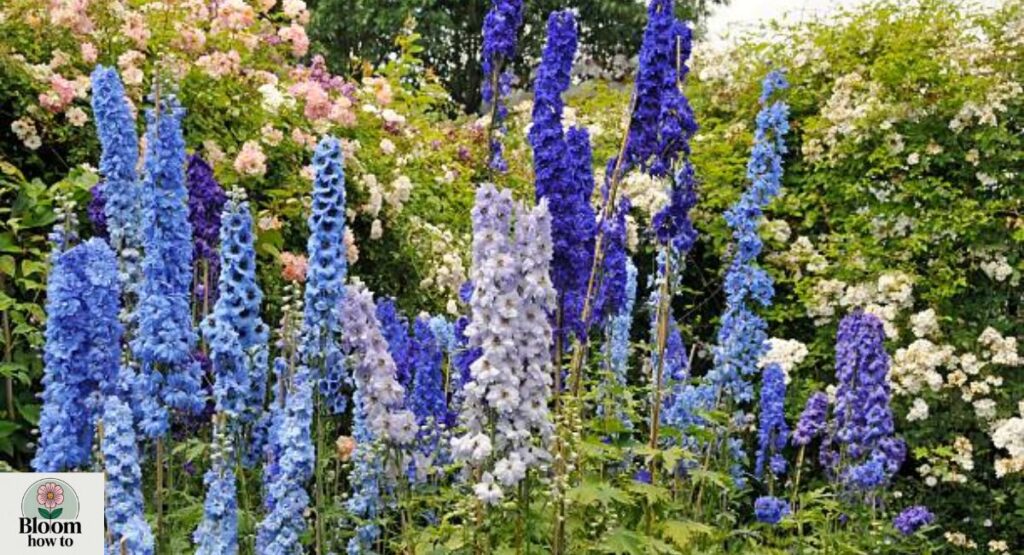
Larkspurs grow tall with spikes of blue flowers. They symbolize strong bonds and happiness in every shade of sky.
Wild Flower Bouquets & Arrangements
Creating wildflower bouquets is about mixing colors and textures. Try combining yellow and purple wild flowers for contrast or pink and white blooms for a soft, romantic look. Add a few blue blossoms to balance the tone.
For a rustic bouquet, include Queen Anne’s Lace, daisies, and lupines. They look stunning in mason jars or wrapped in brown paper. Wildflower arrangements don’t need to be perfect just real, fresh, and full of charm.
Wild Flower Photography & Picture Ideas
Best Tips for Capturing Colorful Wild Flowers
To capture the perfect wildflower picture, shoot early in the morning or during golden hour. Soft light enhances natural color and texture. Try getting close for detail or use a wide frame to show landscapes.
Professional photographers say, “Don’t just photograph flowers photograph their feeling.” Add dew, use contrast, and play with angles. Hashtags like #WildFlowerLove and #NatureBloomUSA connect your photos to nature lovers across America.
Where to Find Wild Flowers
America’s landscape bursts with wildflower fields. In spring, Texas Hill Country glows with bluebonnets. California poppy fields turn orange and gold. The Rocky Mountains bloom in summer with purple and yellow hues. The Great Smoky Mountains offer diverse wildflowers year-round.
When visiting, take pictures, not petals. Wild flowers belong to nature, and their beauty should be shared, not taken. Respect local trails and preserve the natural beauty for everyone to enjoy.
Conclusion
Colorful wild flowers remind us that beauty doesn’t need perfection it just needs freedom. Their soft petals and bright shades fill every space with life, from quiet meadows to lovely wild flower bouquets on your table.
Each bloom purple, yellow, white, pink, or blue has a story that connects us to nature’s heart. Whether you’re taking wild flower pictures or arranging them for décor, these blooms prove that the simplest things often bring the most joy.
FAQs
1. What are the most common wild flowers in the USA?
Some of the most common wild flowers include black-eyed Susans, bluebonnets, daisies, lavender, and buttercups each blooming in different seasons across the country.
2. Can I grow wild flowers in my garden?
Yes, you can! Many wild flowers grow easily from seed. Just choose native species, plant them in sunny spots, and let nature do the rest.
3. What do the colors of wild flowers mean?
Each color has a story purple for peace, yellow for joy, white for purity, pink for love, and blue for calm and trust.
4. Where can I see the best wild flower fields in the USA?
The best spots include Texas Hill Country, California poppy fields, and the Rocky Mountains, especially during spring and early summer.
5. How can I make a wild flower bouquet last longer?
Cut stems early in the morning, place them in cool water, and trim ends every few days. Keeping them away from direct sunlight helps too.

Welcome to bloom how to! I’m Anam Sattar, an AI Powered SEO, and Content Writer with 4 years of experirnce.
I help websites rank higher,grow traffic, and look amazing. My goal is to make SEO and web design simple and effective for everyone.
Let’s achieve more together!