
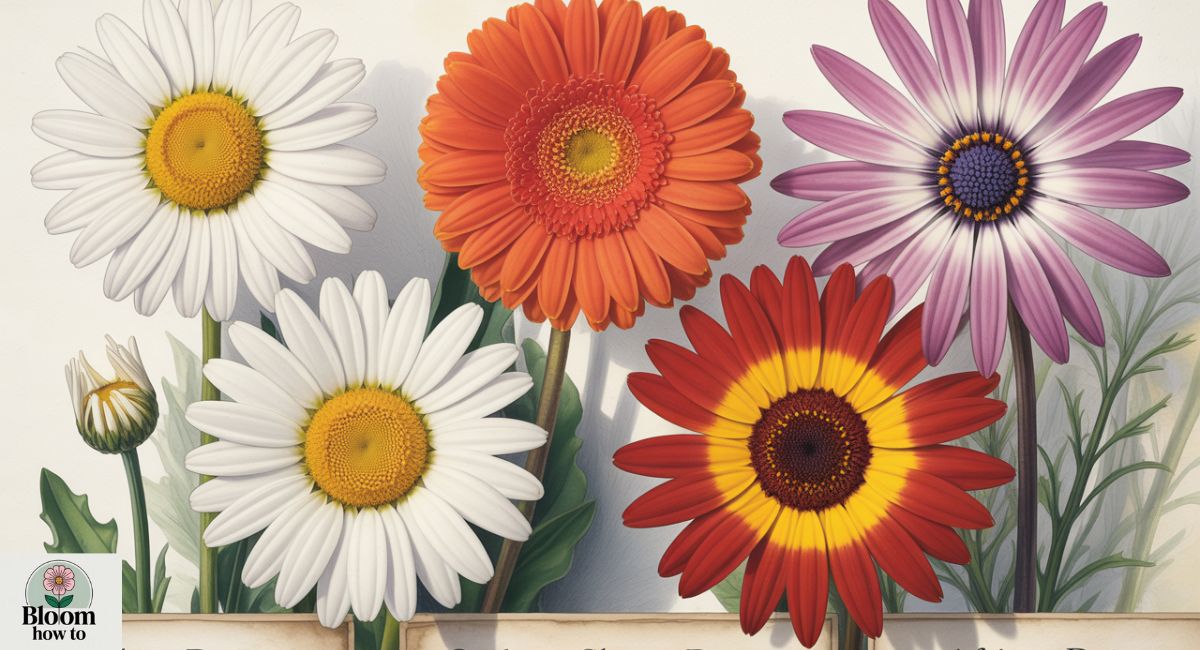
Daisies are some of the most beloved flowers in gardens and homes across the United States. If you’re curious about all types of daisies: white, Gerbera, Shasta & African daisy varieties, this guide will help you explore their unique beauty and charm. From the classic white daisies that brighten borders to the bold Gerbera daisies in vibrant colors, each type offers something special. Shasta daisies bring elegance and height, while African daisies add exotic flair. Whether you’re a beginner gardener or an experienced enthusiast, understanding the different daisy varieties helps you choose the perfect flower for your garden, bouquet, or home decor.
What Type of Plant Is a Daisy?
A daisy is a flowering plant from the Asteraceae family, one of the largest plant families in the world. What looks like one flower is actually many tiny flowers packed together. The center disk holds small florets, while the outer petals attract pollinators. Nature loves clever design.
Most daisy plants grow as perennials in the U.S., meaning they return year after year. Some varieties grow as annuals in colder climates. Because daisies adapt well, you’ll find types of daisies flowers growing in gardens, meadows, pots, and even cracks in sidewalks.
Different Types of Daisies
When people say “daisy,” they often mean several plants that look similar rather than one single species. Botanists group daisies by structure, growth habit, and origin. This explains why colors, heights, and bloom times vary so much.
Across America, gardeners grow different types of daisies for borders, landscaping, and cut flowers. Some stay short and compact. Others stretch tall and dramatic. Their shared look creates familiarity, yet each variety brings something unique to the table.
Types of White Daisies

White daisies feel classic. They’re often the first image that comes to mind when someone hears the word daisy. Popular types of white daisies include Oxeye daisies and English daisies. These plants bloom generously and handle cooler temperatures well.
White daisies symbolize innocence and calm. Gardeners love them because they spread easily and need little care. In many U.S. states, white daisies grow along roadsides and open fields, creating that timeless, postcard-style landscape people adore.
Types of Gerbera Daisies

Gerbera daisies steal the spotlight with bold colors and oversized blooms. You’ll see shades like red, orange, pink, yellow, and even bi-color patterns. These daisies often grow indoors or in containers, especially in colder regions.
Unlike wild daisies, Gerberas need warmth and good drainage. Florists love them because their strong stems and bright faces last longer in arrangements. If you want color that pops instantly, Gerbera daisies rarely disappoint.
Types of Shasta Daisies
Shasta daisies look clean and confident. They feature bright white petals with sunny yellow centers and stand taller than many other daisies. Luther Burbank developed them in the United States, which explains their popularity in American gardens.
These daisies bloom in early summer and often keep flowering for weeks. Gardeners choose Shastas for borders and cutting gardens. They return every year and grow stronger with time, which makes them a favorite among low-maintenance plant lovers.
Types of African Daisy

African daisies, often called Osteospermum, bring drama. Their petals may twist, spoon, or fade into bold color gradients. Some varieties even close their blooms at night or on cloudy days.
These daisies prefer warm climates and bright sun. In southern U.S. states, African daisies thrive outdoors. In cooler areas, gardeners grow them as annuals. Their unusual look makes them stand out among more traditional daisy plants.
Different Types of Daisy Flowers (Quick List)
Gardeners often ask for quick identification help. When solving a type of daisy crossword clue, common answers include Shasta, Gerbera, Oxeye, English daisy, and African daisy. These names show up frequently in puzzles and plant guides.
The phrase different types of daisy flowers usually refers to visual differences like petal color, flower size, and growth height. Even though they share the daisy shape, each type behaves differently once planted.
| Type of Daisy Flower | Main Color | Best Growing Location | Common Use |
| Oxeye Daisy | White with yellow center | Fields, roadsides, gardens | Wildflower landscapes |
| Shasta Daisy | Bright white | Home gardens, borders | Cut flowers, landscaping |
| Gerbera Daisy | Red, pink, yellow, orange | Pots, indoors, warm areas | Bouquets, décor |
| African Daisy | Purple, orange, mixed tones | Sunny outdoor gardens | Ornamental planting |
| English Daisy | White, pink | Lawns, ground cover areas | Decorative edging |
| Aster | Purple, blue, white | Gardens, pollinator areas | Late-season blooms |
| Painted Daisy | Red, pink, white | Garden beds | Natural pest control |
How to Choose the Right Daisy for Your Garden
Choosing the right daisy starts with climate. Cold regions favor Shasta and English daisies. Warm areas welcome African daisies. Container gardeners often lean toward Gerberas. Knowing your sunlight and soil conditions makes selection easier.
Interestingly, daisies also appear in literature. When people ask what type of character is Daisy in The Great Gatsby, the answer often points to beauty and charm hiding complexity. Much like real daisies, appearances don’t always tell the full story.
What Type of Character Is Daisy in The Great Gatsby
Daisy Buchanan is a complex character who appears charming on the surface but emotionally fragile underneath. She represents beauty, wealth, and social privilege, yet she often avoids responsibility. Her actions show indecision and self-interest, which shape many of the novel’s major conflicts.
F. Scott Fitzgerald uses Daisy to symbolize the illusion of the American Dream. She seems warm and hopeful at first, but her choices reveal carelessness. Much like her voice, which Gatsby describes as “full of money,” Daisy reflects a world that values status over sincerity.
Type of Daisy Crossword Clue

When you see the clue type of daisy crossword clue, puzzle creators usually expect a simple, well-known answer. The most common ones include OXEYE, SHASTA, GERBERA, and ASTER. These names appear often because they fit cleanly into grids and feel familiar to U.S. solvers.
The correct answer depends on letter count and crossing words. Short clues often point to ASTER or OXEYE, while longer spaces favor SHASTA or GERBERA. Once you know these patterns, solving daisy clues becomes quick and almost automatic.
Fun Facts About Daisies
Daisies close their petals at night, a behavior called nyctinasty. This protects pollen and helps the flower survive cooler temperatures. Ancient cultures believed daisies symbolized loyalty and fresh starts.
Here’s a simple table that adds quick insight:
| Daisy Feature | Interesting Fact |
| Flower center | Made of tiny individual florets |
| Name origin | Comes from “day’s eye” |
| Symbolism | Innocence, hope, renewal |
Conclusion
Daisies may look simple, but they carry variety, history, and adaptability. From classic white blooms to bold African styles, all types of daisies bring something special to gardens and homes across the U.S.
Now that you understand all types of daisies: white, Gerbera, Shasta & African daisy varieties, choosing the right one becomes easier. Pick the style you love, match it to your climate, and let these cheerful flowers do the rest.
FAQs
What are the main types of daisies?
The main types include White Daisies, Shasta Daisies, Gerbera Daisies, African Daisies, Oxeye, and English Daisies.
How do I grow daisies in my garden?
Plant them in well-drained soil with full sun and water moderately; most daisies are low-maintenance.
What is the difference between Shasta and Gerbera daisies?
Shasta daisies are classic white garden daisies, while Gerbera daisies are bright, colorful, and often grown indoors.
Can daisies survive in cold climates?
Yes, perennial varieties like Shasta and Oxeye daisies can survive U.S. winters, while tropical types like African daisies need warmth.
What does a daisy symbolize?
Daisies often symbolize innocence, purity, and new beginnings, making them popular in gardens and bouquets.

Welcome to bloom how to! I’m Anam Sattar, an AI Powered SEO, and Content Writer with 4 years of experirnce.
I help websites rank higher,grow traffic, and look amazing. My goal is to make SEO and web design simple and effective for everyone.
Let’s achieve more together!