


Red flowering trees are some of the most beautiful sights in nature. Their bright, fiery colors instantly bring life and warmth to any garden or street. These trees not only add charm but also attract hummingbirds, butterflies, and bees, making your yard full of energy. In tropical regions like Florida and California, red flowering trees bloom almost all year, spreading vibrant color across the landscape. From the elegant Royal Poinciana to the stunning Bottlebrush Tree, each species has its own unique shape, flower, and fragrance. Choosing the right red flowering tree transforms your garden into a peaceful and colorful paradise.
Why Choose Trees With Red Flowers?
The Beauty and Symbolism of Red Blooms
There’s something magical about red. The color symbolizes love, passion, and strength, and in nature, it immediately grabs attention. Red flowering trees like Royal Poinciana, Red Buckeye, and Bottlebrush create dramatic landscapes that stand out even from a distance.
These trees do more than beautify they help the environment. They attract hummingbirds, bees, and butterflies, helping pollination and promoting biodiversity.
Practical Benefits in Landscaping
Beyond beauty, trees with red flowers offer shade, air purification, and privacy. Many grow fast, creating natural shade in just a few years. In states like Florida and California, their evergreen foliage stays lush all year, making them excellent for tropical landscaping.
| Benefit | Example Trees |
| Shade & cooling | Royal Poinciana, African Tulip Tree |
| Pollinator attraction | Peregrina Tree, Red Buckeye |
| Year-round color | Red Oleander, Bottlebrush Tree |
Best Red-Flowering Trees for Tropical and Warm Climates (Florida & California)
Tropical Conditions That Encourage Growth
Warm, sunny climates like South Florida and Southern California are ideal for red-flowering tropical trees. These trees love humidity, sunlight, and mild winters.
Top Red Flowering Trees for Warm Climates
The Royal Poinciana often called the flame tree is famous for its wide umbrella-shaped canopy and bright red orchid-like blooms. The Bottlebrush Tree, with its bristly red flowers, stays evergreen and blooms several times a year. The Peregrina Tree is smaller but offers year-round scarlet blossoms and thrives in coastal gardens.
| Tree | Height | Bloom Season | USDA Zone | Native Region |
| Royal Poinciana | 30–40 ft | Spring–Summer | 10B+ | Madagascar |
| Bottlebrush Tree | 15–25 ft | Spring & random blooms | 9A–11 | Australia |
| Peregrina Tree | 10–15 ft | All year | 10A–11 | Cuba |
Beautiful Red-Flowering Trees for Temperate Regions
Red Buckeye and Its Native Appeal
The Red Buckeye is one of the few native red flowering trees in North America. It produces clusters of red tubular flowers that bloom in early spring. Its shiny dark leaves droop gracefully, giving it a soft, natural look. This tree thrives best in North Florida or other cooler southern states.
Pomegranate Tree: Beauty and Fruit
The Pomegranate Tree is another red-flowering beauty that suits temperate climates. Its tube-shaped flowers bloom in late spring, later producing edible fruits that stay red through winter. It’s drought-tolerant, easy to grow, and perfect for gardens that want both beauty and bounty.
Exotic and Unique Red-Flowering Trees
African Tulip Tree
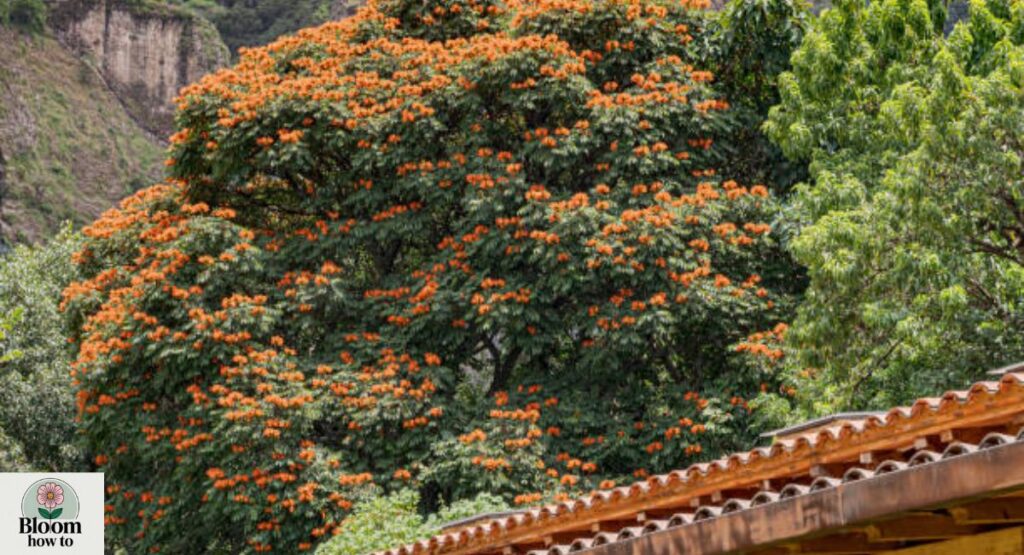
The African Tulip Tree is one of the most exotic red-flowering trees you can plant. Its huge, orange-red blooms appear in clusters, attracting hummingbirds and bees. It grows fast, reaching 60 feet in height, and thrives in zones 10B and above. It’s perfect for large landscapes or tropical gardens.
Red Flowering Gum Tree
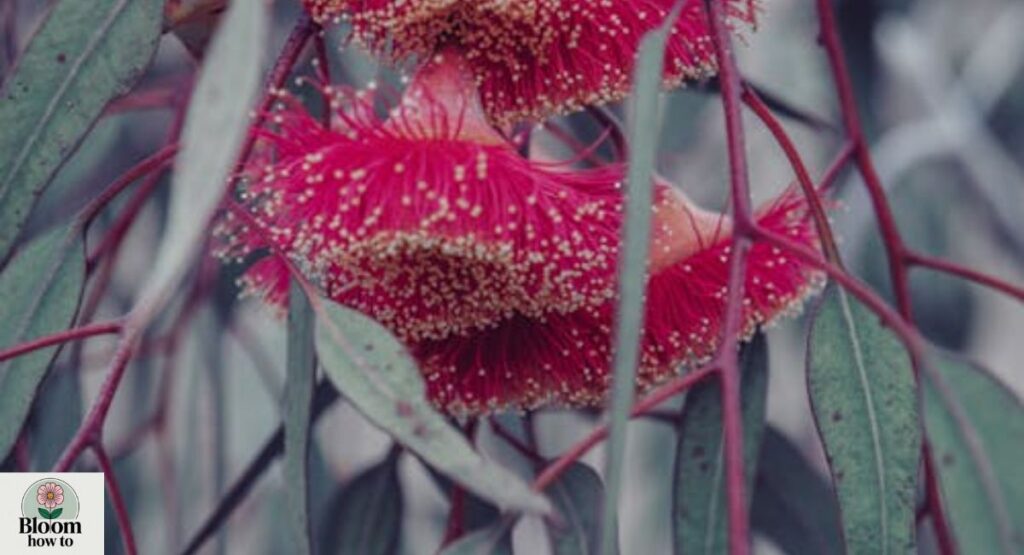
The Red Flowering Gum Tree is native to Australia and admired for its showy red and coral flowers. It tolerates sandy and salty soil, making it ideal for coastal areas of California and Florida. With its aromatic foliage and brilliant colors, it adds a tropical vibe to any space.
Small and Compact Red-Flowering Trees for Yards and Gardens
Red Oleander
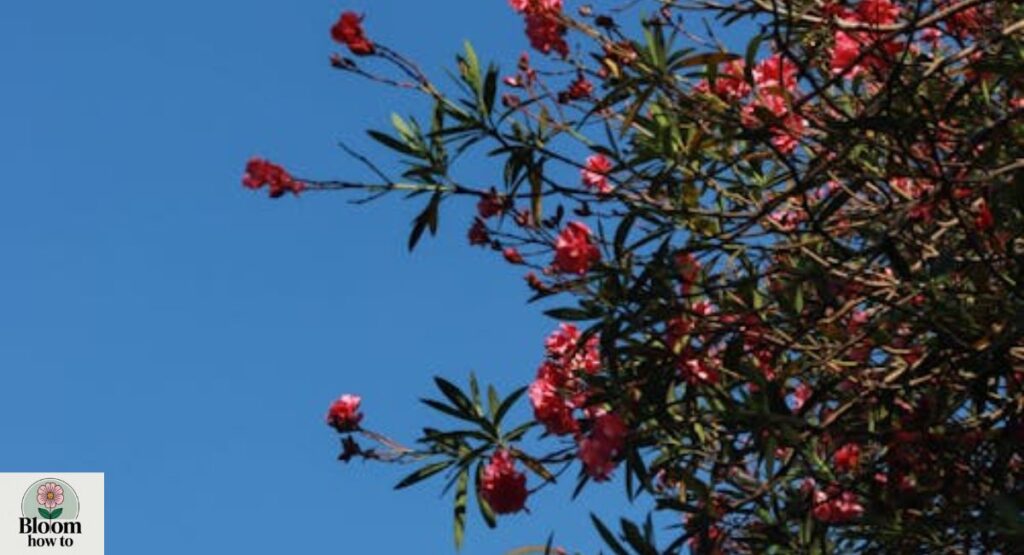
Red Oleander is an evergreen small tree or shrub that blooms almost all year. Its funnel-shaped flowers come in clusters of vivid red and attract hummingbirds. It’s hardy, salt-tolerant, and suitable for compact gardens or mixed flower borders.
Dwarf Red Crape Myrtle
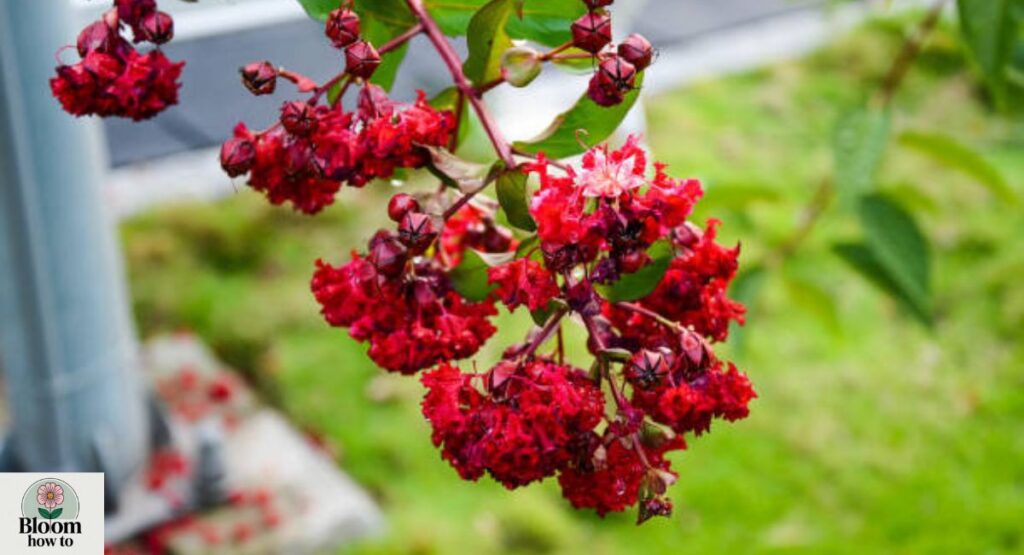
The Dwarf Crape Myrtle is perfect for small yards or driveways. Its crinkled red flowers bloom all summer and continue into fall. It’s easy to care for, loves full sun, and thrives in Florida and California climates.
These smaller red-flowering trees offer big beauty in small spaces, perfect for homeowners with limited yard size.
Large and Shade-Giving Red-Flowering Trees
Royal Poinciana: The Ultimate Shade Tree
The Royal Poinciana Tree is famous for its huge spreading canopy and bright red-orange flowers. It’s ideal for providing shade and cooling large yards. Its fern-like leaves and vibrant blooms create a tropical, elegant atmosphere.
African Tulip and Red Gum: Giants of Color
The African Tulip Tree and Red Flowering Gum Tree are two more great choices for those wanting large, dramatic trees. Both produce masses of fiery red blooms and can grow over 40 feet tall. Their dense foliage makes them excellent shade providers and windbreaks.
How to Identify Red-Flowering Trees (With Pictures or Features)
Leaf, Flower, and Bark Differences
Each red-flowering tree has unique characteristics. Bottlebrush Trees have cylindrical “brush” blooms. Poinciana Trees have orchid-shaped petals. Pomegranate Trees feature small tubular flowers that later turn into red fruits, and African Tulip Trees have bell-shaped blossoms.
| Tree | Flower Shape | Leaf Type | Bark Texture |
| Bottlebrush | Cylindrical | Linear green | Smooth |
| Royal Poinciana | Orchid-like | Fern-like | Light brown |
| Pomegranate | Tubular | Glossy | Rough gray |
| African Tulip | Bell-shaped | Oval | Textured brown |
Color and Bloom Season
Some red-flowering trees bloom in spring, others in summer or all year. Observing flower color, bloom pattern, and leaf texture helps identify the right species for your region.
Care Tips for Red-Flowering Trees
Sunlight, Soil, and Water
Most trees with red flowers love full sunlight and well-drained soil. Avoid overwatering, especially in humid zones like South Florida. Use mulch around the base to retain moisture and reduce weeds.
Pruning and Fertilizing
Pruning helps maintain shape and health. Cut off dead or diseased branches during winter. Use a slow-release fertilizer in spring to boost flowering. A balanced care routine ensures strong roots, glossy foliage, and brighter blooms.
Quote:
“When you care for a red-flowering tree, it rewards you with a living masterpiece nature’s art painted in red.”
Top Stunning Trees With Red Flowers
Royal Poinciana (Delonix regia)
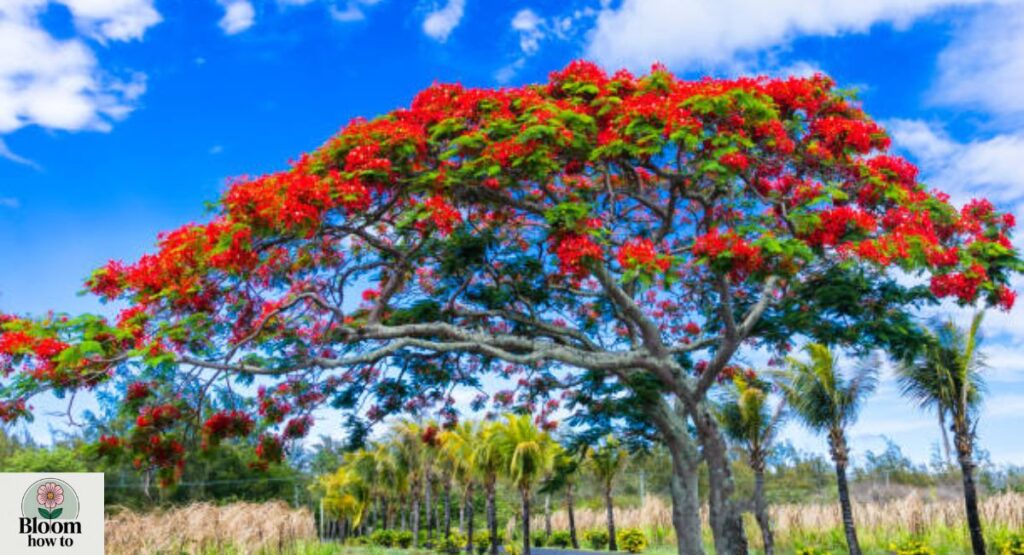
The Royal Poinciana, also called the flame tree, explodes with fiery red-orange flowers in late spring and summer. Its huge umbrella-shaped canopy gives perfect shade and tropical vibes. This tree thrives in Florida and California, adding dramatic beauty to any large yard or street.
Red Bottlebrush (Callistemon citrinus)
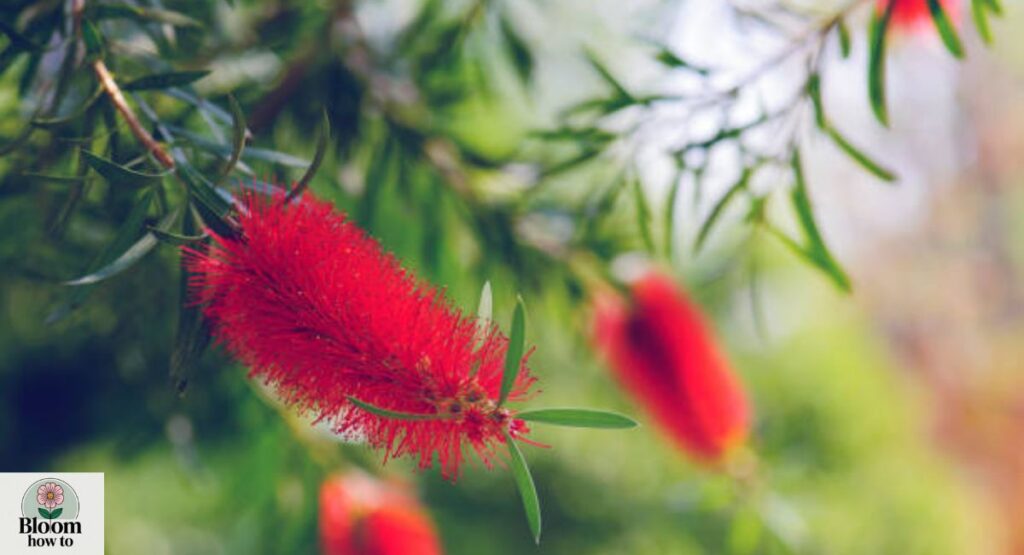
The Red Bottlebrush Tree gets its name from its bright red, brush-like blooms. Native to Australia, it’s evergreen and flowers several times a year in warm weather. Hummingbirds love it, and it grows perfectly in coastal gardens with well-drained soil.
Peregrina Tree (Jatropha integerrima)
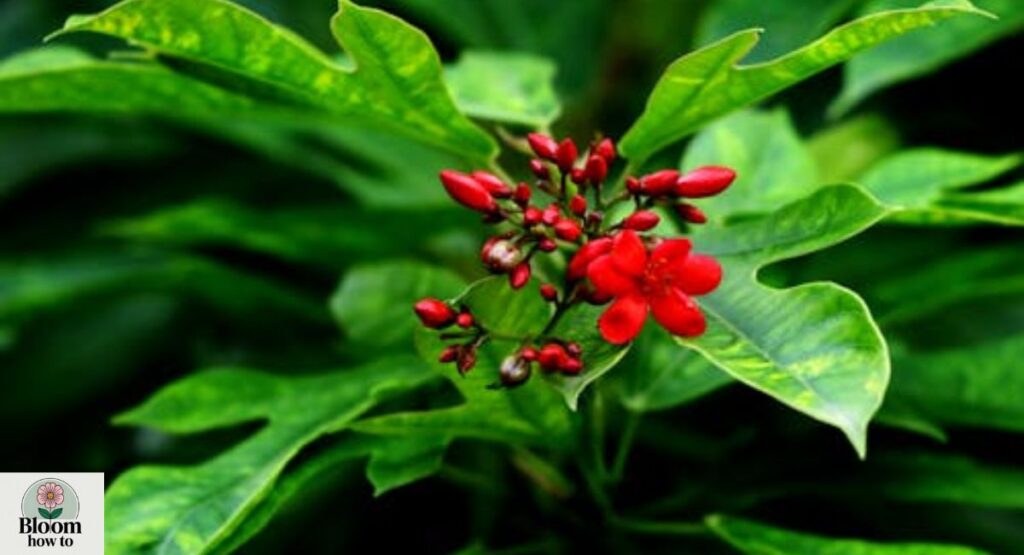
Native to Cuba, the Peregrina Tree blooms all year with star-shaped red flowers. It’s a small, evergreen tree that’s great for compact gardens. It loves sunny spots and is a top choice for attracting butterflies and hummingbirds.
Red Buckeye (Aesculus pavia)
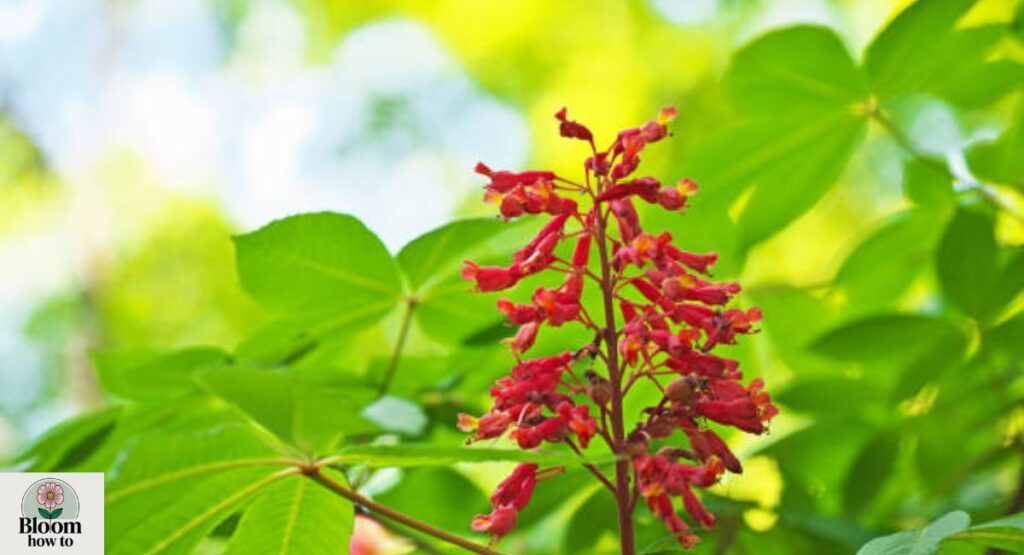
The Red Buckeye is one of the few native red-flowering trees in North America. It produces bright red flower clusters in spring before other trees start blooming. It’s best suited for North Florida and adds early color to your landscape.
Red Crape Myrtle (Lagerstroemia indica)
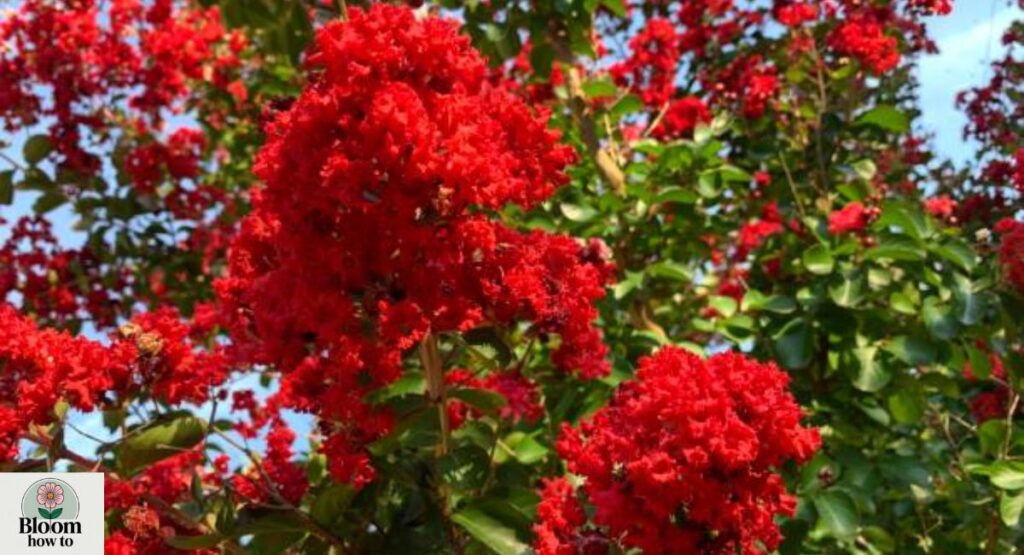
The Red Crape Myrtle offers endless summer color with crinkled, rose-red blooms. This small tree is perfect for urban yards and is low-maintenance. It enjoys full sunlight and grows beautifully throughout Florida and California.
Red Frangipani (Plumeria rubra)
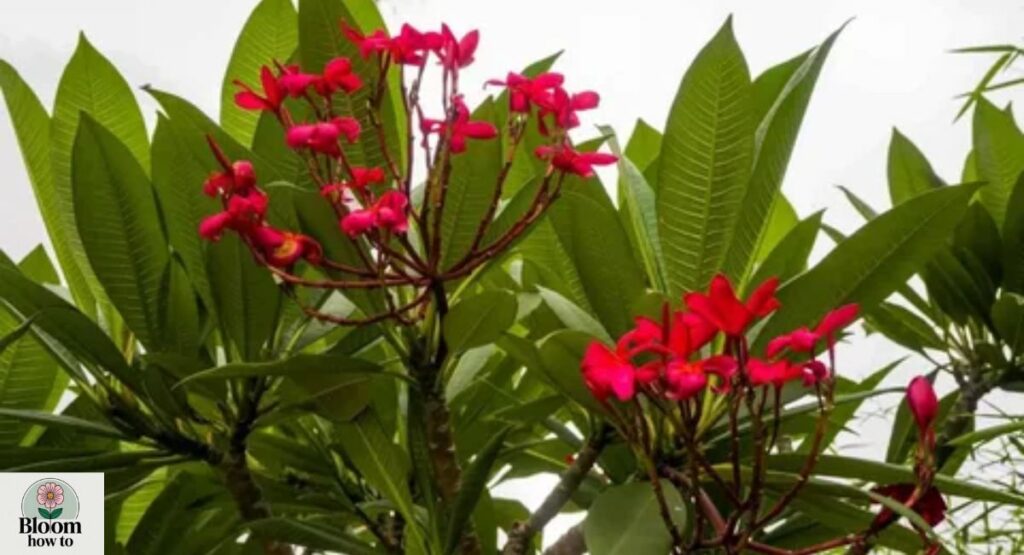
The Red Frangipani is loved for its waxy, fragrant red flowers. It thrives in full sun and dry soil, making it a great fit for California gardens. Its blooms are often used in tropical leis and bring an exotic touch to any yard.
Pomegranate Tree (Punica granatum)
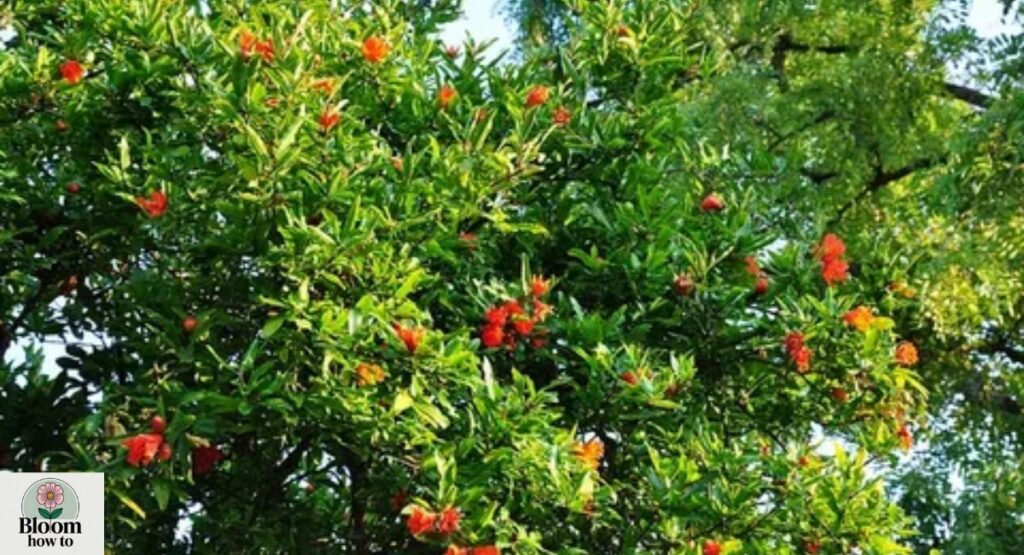
The Pomegranate Tree produces bright red blossoms in spring and juicy fruit in fall. It’s easy to grow, drought-tolerant, and adds year-round color. This tree is both ornamental and useful, perfect for home gardens.
Powderpuff Tree (Calliandra haematocephala)
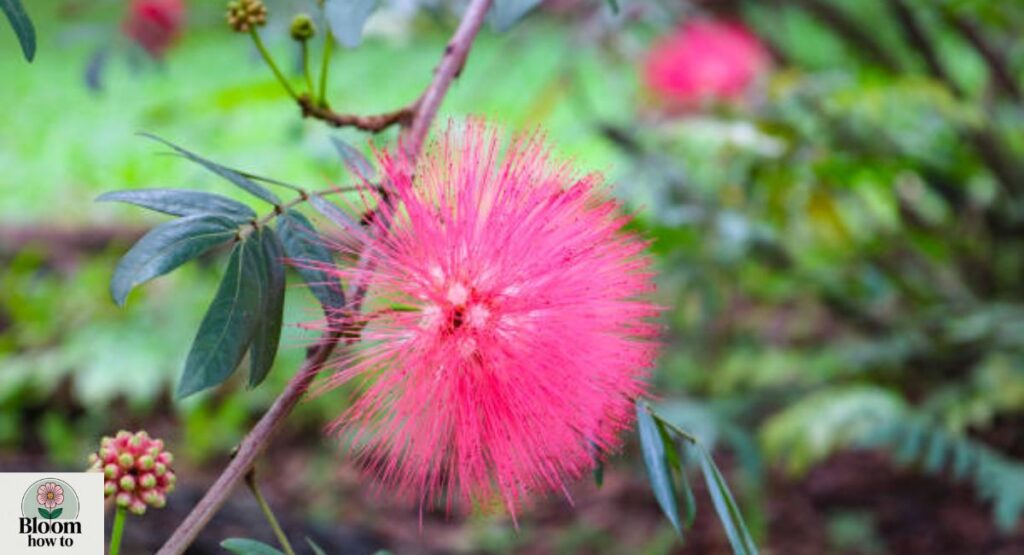
The Powderpuff Tree is a small tropical tree known for its fluffy red flower heads. It blooms during winter and spring, when most trees rest. Its soft red puff-like blooms attract hummingbirds and make it a fun addition to gardens.
Red Silk Cotton Tree (Bombax ceiba)
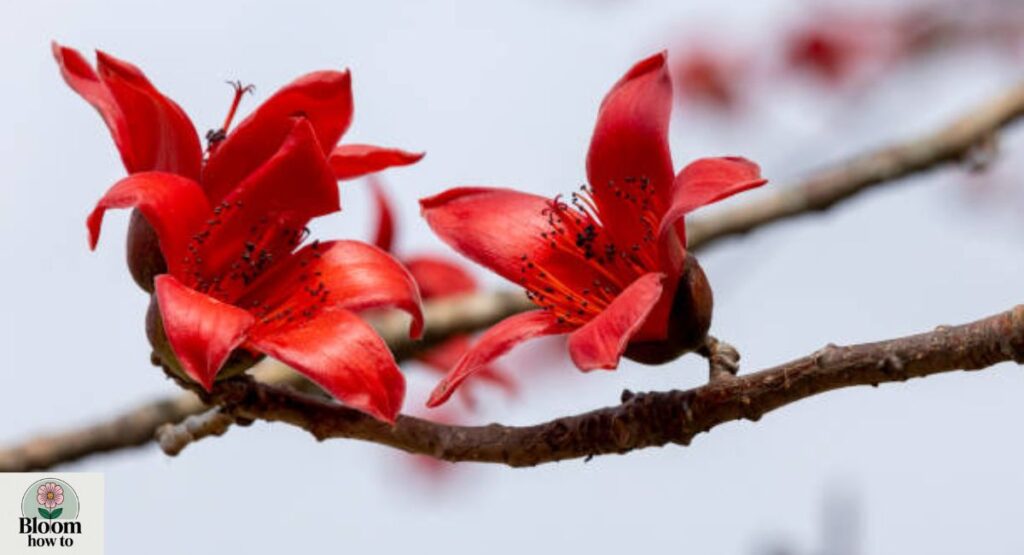
The Red Silk Cotton Tree, or Kapok Tree, puts on a bold show with large red flowers in early spring. It grows tall and strong, perfect for big landscapes. Its bright blooms look stunning against a clear blue sky.
Tree Rhododendron (Rhododendron arboreum)
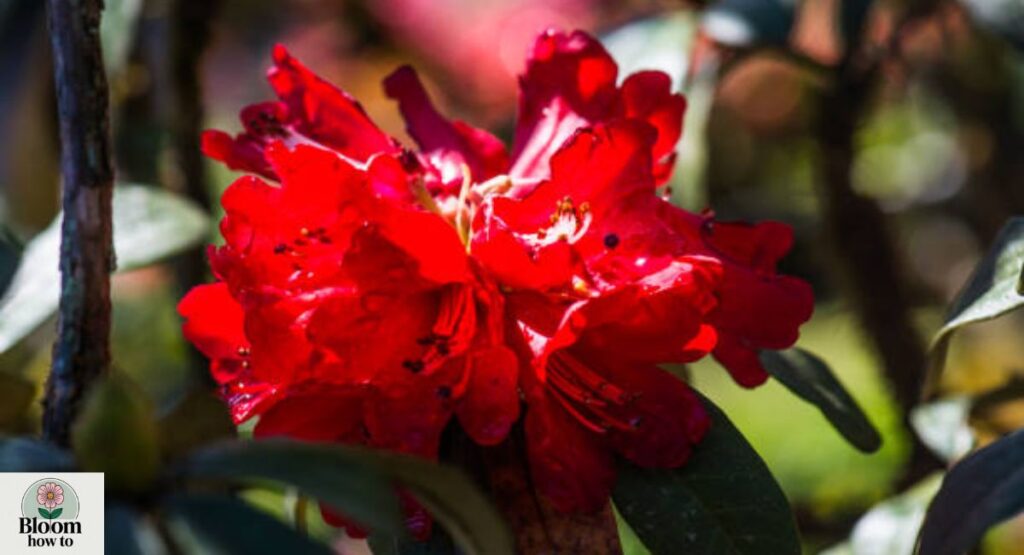
The Tree Rhododendron displays clusters of crimson-red flowers in late winter and spring. It prefers cooler climates but adapts to gardens with good soil. Its deep green leaves and rich red blossoms make it a showstopper.
Indian Coral Tree (Erythrina variegata)
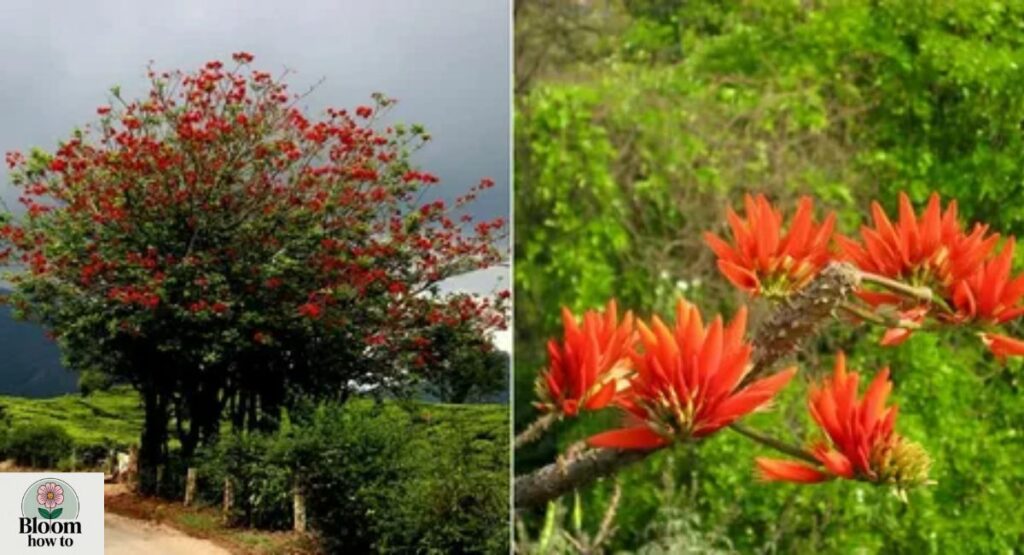
The Indian Coral Tree features striking coral-red flowers that bloom before the leaves appear. It’s often used in large gardens or parks for its bold color. The tree also attracts birds with its nectar-filled blossoms.
Flame Tree (Brachychiton acerifolius)
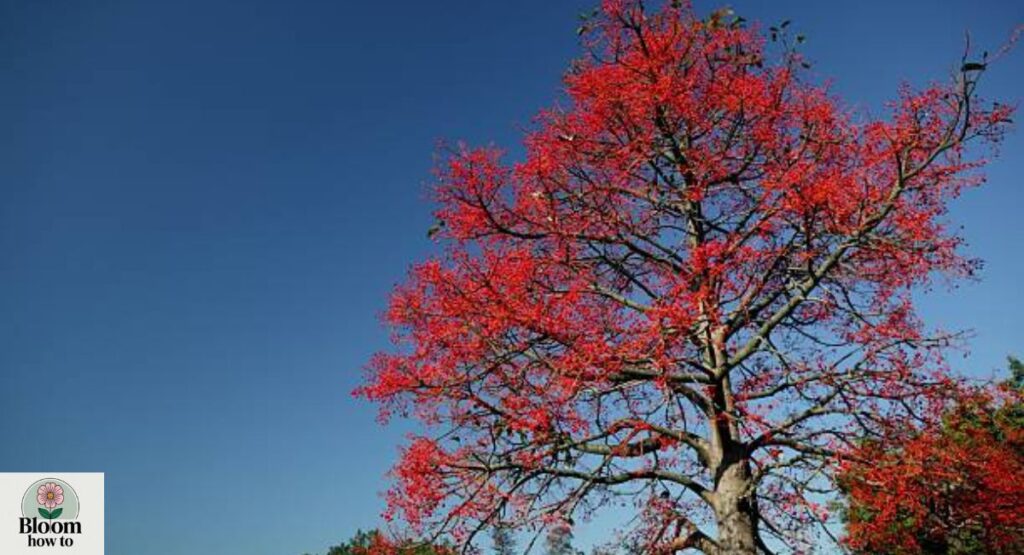
The Flame Tree is named for its brilliant scarlet-red blooms that cover its branches after dry seasons. Native to Australia, it’s a spectacular sight in full bloom. It’s perfect for adding drama and tropical energy to your garden.
Conclusion
Red flowering trees bring unmatched beauty and life to any space. Their fiery blooms turn ordinary gardens into bright, eye-catching landscapes filled with color, fragrance, and wildlife. From Florida to California, every region has stunning trees with red flowers that thrive in its climate. Whether you plant a tall Royal Poinciana or a small Bottlebrush Tree, these trees make every season more joyful. Add one to your yard, and let nature paint your world with shades of red and gold.
FAQs
1. What are the best trees with red flowers for Florida?
Some of the best trees with red flowers for Florida are the Royal Poinciana, Bottlebrush Tree, and African Tulip Tree they love warm weather and bloom all year round.
2. Can trees with red flowers grow in California?
Yes! California has a perfect climate for red-flowering trees like the Red Silk Cotton Tree, Coral Tree, and Pomegranate Tree.
3. How do I care for red flowering trees?
Most trees with red flowers need full sun, well-drained soil, and regular watering during their first year to grow strong and healthy.
4. Which small red flowering tree is best for gardens?
If you have a small garden, go for a Red Crape Myrtle or Peregrina Tree both stay compact and bloom beautifully in every season.
5. Do red flowering trees attract birds or butterflies?
Yes, they do! Hummingbirds, butterflies, and even bees love visiting red flowering trees for their nectar-rich blooms.

Welcome to bloom how to! I’m Anam Sattar, an AI Powered SEO, and Content Writer with 4 years of experirnce.
I help websites rank higher,grow traffic, and look amazing. My goal is to make SEO and web design simple and effective for everyone.
Let’s achieve more together!