


Every nation has a story to tell, and sometimes that story blooms in the shape of a National Flower. These flowers aren’t just beautiful; they carry deep meaning, connecting people to their roots and traditions. The America national flower, the rose, symbolizes love and courage, while the Mexico national flower, the dahlia, reflects strength and pride. Across Asia, the Korea national flower, Mugunghwa, and the Philippines national flower, Sampaguita, reveal beauty in endurance and simplicity. Celebrating National Flower Day reminds us that each petal, color, and fragrance speaks a language of culture, unity, and national identity that transcends borders.
What is National Flower Day?
National Flower Day celebrates the connection between people and nature. It’s a time to honor the blooms that symbolize each nation’s identity. In the United States, people celebrate by planting roses, decorating with fresh flowers, and sharing floral photos online to spread joy and awareness.
This day reminds everyone that flowers aren’t just beautiful they represent renewal, unity, and pride. When people cherish their national flower, they honor the culture, history, and natural beauty of their homeland. It’s a simple yet powerful act of gratitude toward nature.
The Meaning of National Flowers Around the World
Every national flower tells a story about the people it represents. From strength to purity, each bloom has a meaning that reflects the nation’s heart. Flowers act like mirrors showing a country’s values, traditions, and sense of beauty.
Here’s a quick look at different countries and their floral emblems:
| Country | National Flower | Symbolism |
| United States | Rose | Love and Unity |
| Mexico | Dahlia | Strength and Dignity |
| Korea | Mugunghwa | Endurance and Resilience |
| Philippines | Sampaguita | Purity and Faithfulness |
United States (The Rose)
The Rose stands proudly as the America national flower, chosen in 1986. It symbolizes love, beauty, and courage. Across the country, you’ll find roses at weddings, parades, and even presidential gardens, marking their timeless presence in American life.
Each color of the rose carries a message red for love, white for purity, and yellow for friendship. This diversity mirrors America’s own cultural variety. The national flower of the USA is more than just a bloom; it’s a reflection of the nation’s soul.
Mexico (The Dahlia)
The Mexico national flower, the Dahlia, was cherished by the Aztecs for centuries before becoming official in 1963. It stands for elegance, dignity, and strength. The flower’s bold, layered petals tell a story of power and grace that reflects Mexico’s vibrant culture.
From festivals to traditional crafts, the dahlia’s beauty shines everywhere. It’s also a reminder of indigenous pride and resilience a floral tribute to Mexico’s colorful past and inspiring spirit.
Korea The Mugunghwa (Hibiscus syriacus)
The Mugunghwa, or Rose of Sharon, is the Korea national flower. Its name means “eternal blossom,” representing endurance and hope. Despite harsh seasons, this bloom never fades, just like the strength and perseverance of the Korean people.
You can see the Mugunghwa in Korean art, songs, and even on government emblems. It’s not only a flower it’s a living reminder of the nation’s undying resilience and unity.
Philippines The Sampaguita (Jasmine)
The Philippines national flower, the Sampaguita, is small but deeply symbolic. Its white petals stand for purity, humility, and devotion. Officially declared in 1934, this fragrant jasmine fills homes, churches, and festivals across the country.
The sampaguita’s gentle fragrance reflects Filipino warmth and sincerity. Used in songs, prayers, and love offerings, it represents faithfulness and respect two qualities rooted deeply in Filipino life.
Fun Facts About National Flowers
Each national flower hides fascinating stories. The rose has over 300 species, making it one of the most diverse blooms. The dahlia can grow up to a foot wide, while the Mugunghwa blooms even after storms. The Sampaguita, though delicate, blossoms year-round in tropical weather.
These flowers prove that nature’s beauty isn’t just about looks it’s about strength, meaning, and endurance. Every petal carries a message from the earth to the heart.
How to Celebrate National Flower Day
National Flower Day is a chance to celebrate nature and culture together. You can plant your national flower, gift a bouquet, or decorate your space with fresh blooms. Even sharing floral photos on social media spreads awareness and love for your country’s natural treasures.
You can also visit local gardens or learn about your nation’s floral history. Every small effort keeps these symbols alive and helps future generations understand their meaning.
Comparing the Four National Flowers
The Rose — United States

The America national flower represents love, courage, and unity. It thrives in many climates, just like America’s diverse people. Roses color every celebration, from Valentine’s Day to Independence Day, symbolizing both beauty and strength that define the nation’s heart.
The Dahlia — Mexico
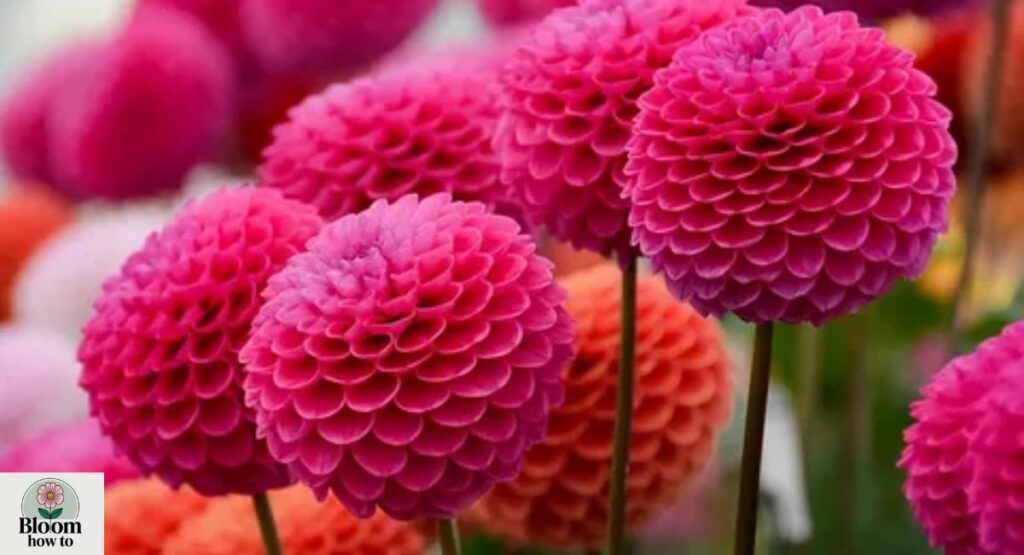
The Mexico national flower reflects the country’s spirit of creativity and pride. Its strong stems and rich petals show the beauty of resilience. Each bloom mirrors the soul of Mexico colorful, proud, and full of life that continues to inspire people worldwide.
The Mugunghwa — Korea

The Korea national flower, Mugunghwa, blooms endlessly, showing determination. It’s called the “eternal blossom” for good reason. Through wars and hardship, the flower and the nation stood tall, becoming a perfect symbol of Korea’s courage and unbreakable faith.
The Sampaguita — Philippines

The Philippines national flower, Sampaguita, shines through its simplicity. Its white petals and sweet scent show purity and love. The flower’s presence in Filipino songs and traditions proves that even the smallest bloom can carry the biggest meaning.
| Flower | Country | Symbolism |
| Rose | United States | Love and Unity |
| Dahlia | Mexico | Strength and Dignity |
| Mugunghwa | Korea | Endurance and Hope |
| Sampaguita | Philippines | Purity and Faithfulness |
Floral Symbolism in Art and Culture
Throughout history, flowers have inspired art, literature, and music. In America, the rose decorates everything from state emblems to poetry. Mexican artists often paint dahlias to celebrate their roots. Korean songs praise the Mugunghwa for its eternal bloom, while Filipino stories sing of Sampaguita’s purity and devotion.
These cultural expressions show how flowers aren’t just ornaments. They are timeless messengers of pride and identity, telling the story of each nation through color and scent.
Environmental Importance of Preserving National Flowers
Preserving the national flower of each country is vital to protecting biodiversity. Climate change and pollution threaten many native blooms. By planting native species and reducing chemicals, people can help save their floral heritage for future generations.
Every rose, dahlia, mugunghwa, or sampaguita you plant contributes to a greener world. It’s not only about beauty it’s about survival, respect, and responsibility toward the planet.
Conclusion
National Flower Day reminds us that a flower can tell a nation’s story. The national flowers of America, Mexico, Korea, and the Philippines bloom with love, strength, and hope. Together, they form a garden that reflects unity in diversity.
As you celebrate National Flower Day, take a moment to admire your nation’s bloom. It’s more than a symbol it’s your country’s heart in full bloom, a reminder that beauty and pride grow wherever love for nature exists.
FAQs
1. What is the National Flower Day about?
National Flower Day celebrates the beauty and meaning of each country’s national flower, reminding people to appreciate nature and their cultural heritage.
2. Why is the rose the National Flower of the United States?
The rose became the America national flower in 1986 because it symbolizes love, unity, and the diverse beauty of the nation.
3. What is the National Flower of Mexico?
Mexico’s national flower is the Dahlia, chosen for its strength, elegance, and connection to the country’s rich Aztec history.
4. Which flower represents Korea as its National Flower?
The Mugunghwa (Hibiscus syriacus) is the Korea national flower, symbolizing endurance, hope, and eternal beauty.
5. Why is the Sampaguita important to the Philippines?
The Sampaguita, the Philippines national flower, stands for purity, faithfulness, and simplicity, making it a beloved symbol in Filipino traditions and songs.

Welcome to bloom how to! I’m Anam Sattar, an AI Powered SEO, and Content Writer with 4 years of experirnce.
I help websites rank higher,grow traffic, and look amazing. My goal is to make SEO and web design simple and effective for everyone.
Let’s achieve more together!