

If you love nature but don’t have a garden, indoor flowering plants that bloom all year are the perfect way to bring beauty into your home. These colorful companions add life, fragrance, and calm to any space while improving air quality. From potted indoor flowers on your windowsill to flowering houseplants in your living room, there’s a bloom for every corner. Whether you prefer low-maintenance varieties or exotic indoor flowers, the options are endless. With a little care, even beginners can grow year-round blooming plants that transform their homes into peaceful, green sanctuaries bursting with color and charm.
2. Why Choose Flowering Indoor Plants?
When you bring flowering indoor plants into your home, you’re doing more than just decorating. You’re adding life, color, and a little bit of joy to your everyday surroundings. These plants brighten dull spaces, make your home feel alive, and even help you breathe better. Research from NASA’s Clean Air Study showed that some indoor plants and flowers can remove harmful toxins like benzene and formaldehyde from the air. So when you add flowers like peace lilies or anthuriums, you’re actually improving your indoor air quality while adding beauty.
Many Americans now prefer indoor flowering plants because they’re low-maintenance and fit perfectly into busy lifestyles. Unlike outdoor gardens, indoor plants require less water and sunlight but still give the same calming and aesthetic effect. Whether it’s a potted indoor flower on your desk or a bright orchid by your window, these little touches create a peaceful escape from stress. You don’t have to be an expert gardener either; most flowering houseplants thrive with just a bit of attention and love.
3. Factors to Consider Before Choosing Indoor Flowers
Before you buy your first indoor flowering plant, take a moment to understand what it really needs to grow happily inside your home. Every plant has its own personality. Some love bright sunlight, while others thrive in the shade. The secret to healthy blooms is matching the right plant with the right environment.
Light is one of the most important factors. If your apartment faces south or west, you’ll have plenty of natural light for sun-loving indoor flowers like geraniums or hibiscus. But if you live in a cooler area or your home doesn’t get direct sunlight, choose low-light indoor flowering plants such as peace lilies or African violets. You can even use grow lights to mimic the sun when natural light is limited.
Watering is another key detail. Many potted indoor flowers suffer not from lack of water, but from too much of it. Always check the soil before watering. If it feels dry one inch below the surface, it’s time for a drink. Use pots with drainage holes to prevent root rot. Also, consider humidity plants like orchids and bromeliads love moisture, while kalanchoes prefer drier air.
Choosing the right potting mix makes a big difference too. Most flowering houseplants need well-draining soil rich in organic matter. A mix of peat, perlite, and compost works perfectly for most species. And don’t forget about pet-friendly indoor plants if you have cats or dogs. Plants like orchids and African violets are safe choices, while lilies and poinsettias can be toxic to pets.
Finally, think about your lifestyle and space. If you travel often or forget to water, stick to hardy options like kalanchoe or oxalis. For small apartments, compact varieties like anthuriums or begonias will keep your rooms colorful without taking up much space. The right plant will not only survive it’ll thrive and make your home look stunning all year long.
4. Top 20 Flowering Indoor Plants That Bloom All Year
If you’re dreaming of a home full of colors, fragrance, and freshness, these top indoor flowering plants are exactly what you need. Each one is unique, easy to care for, and perfect for American homes whether you live in a city apartment or a suburban house.
Peace Lily (Spathiphyllum)
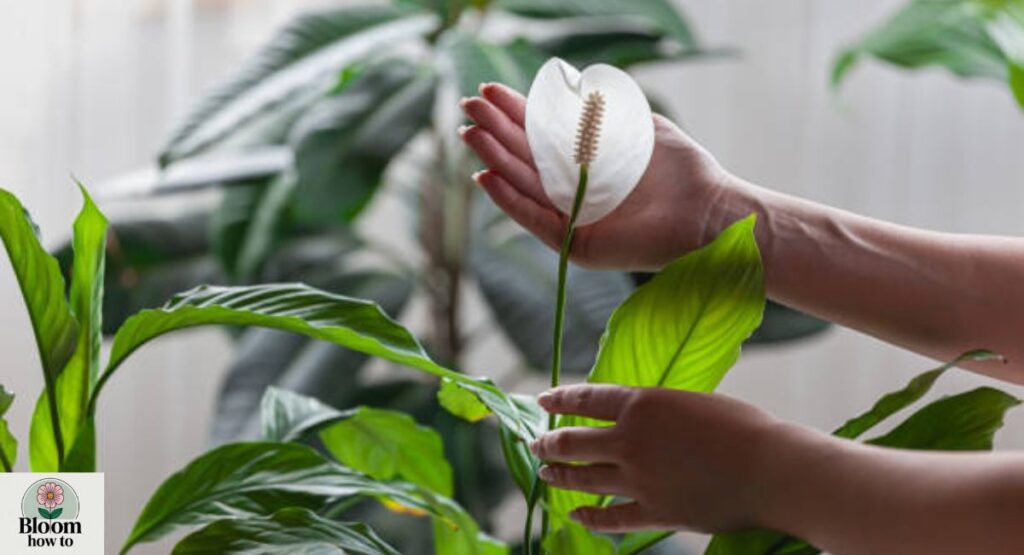
The Peace Lily is a favorite in U.S. homes because it’s elegant and forgiving. Its white blooms and glossy leaves make any space look cleaner and brighter. It thrives in low light and helps purify the air, removing toxins like ammonia and formaldehyde effortlessly.
African Violet (Saintpaulia)
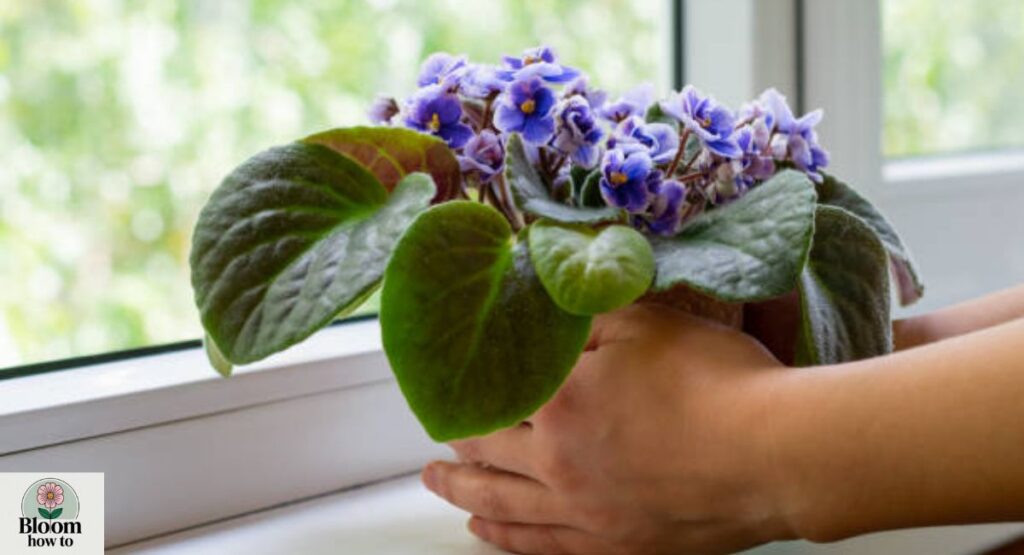
Small yet stunning, the African Violet adds charm to windowsills and desks. Its velvety leaves and purple or pink flowers bloom almost year-round. With just a bit of indirect sunlight and moderate watering, this compact beauty will keep your home colorful without fuss.
Anthurium (Flamingo Flower)
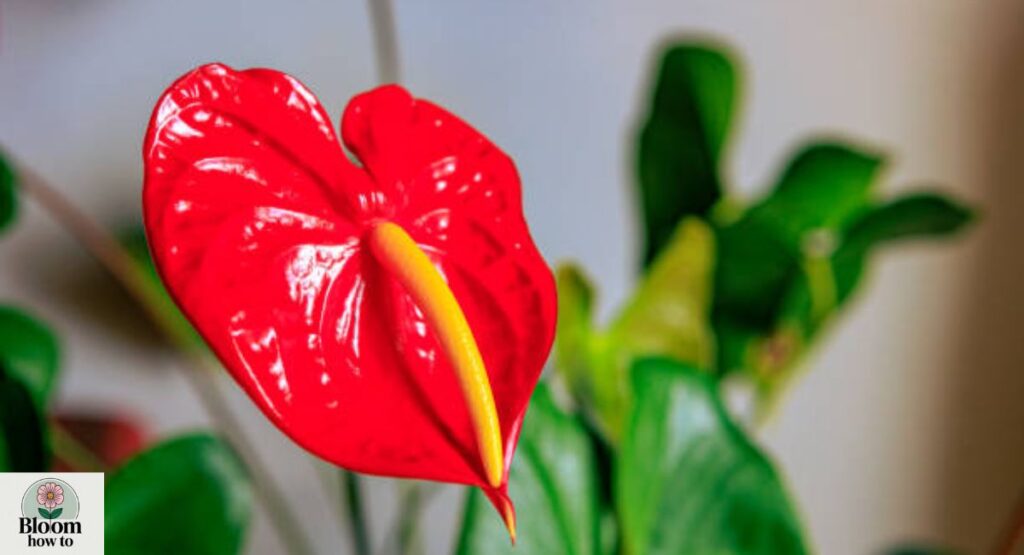
The Anthurium is a tropical plant known for its heart-shaped red or pink flowers. It loves warm rooms and indirect light, perfect for modern U.S. interiors. Anthuriums can bloom all year with regular feeding and a little humidity.
Geranium (Pelargonium)
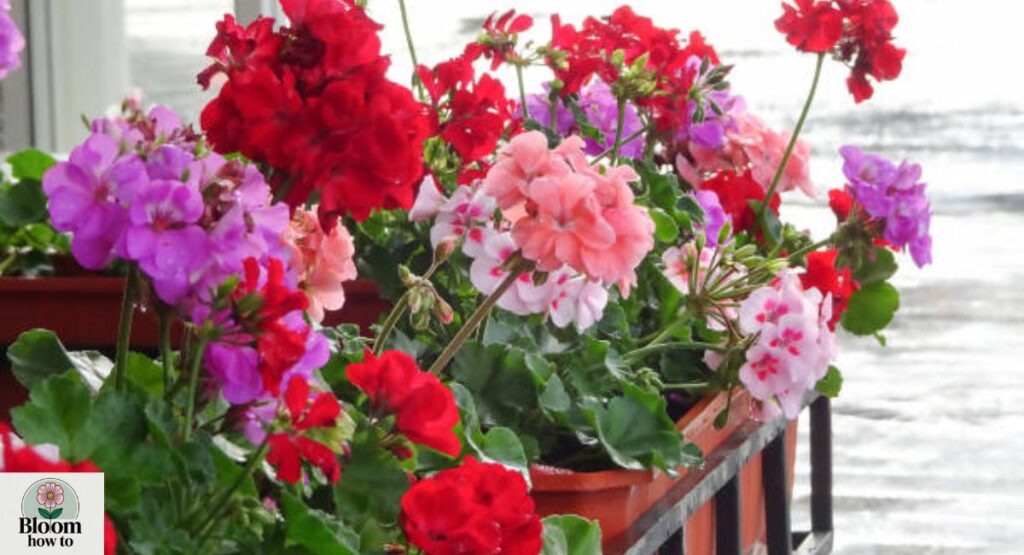
Cheerful and fragrant, Geraniums are classic indoor flowering plants. Their blooms range from white to bright red, and they thrive in sunny spots. If you give them enough light, they’ll flower almost constantly, making them a favorite in American households.
Begonia (Wax or Rex Begonia)
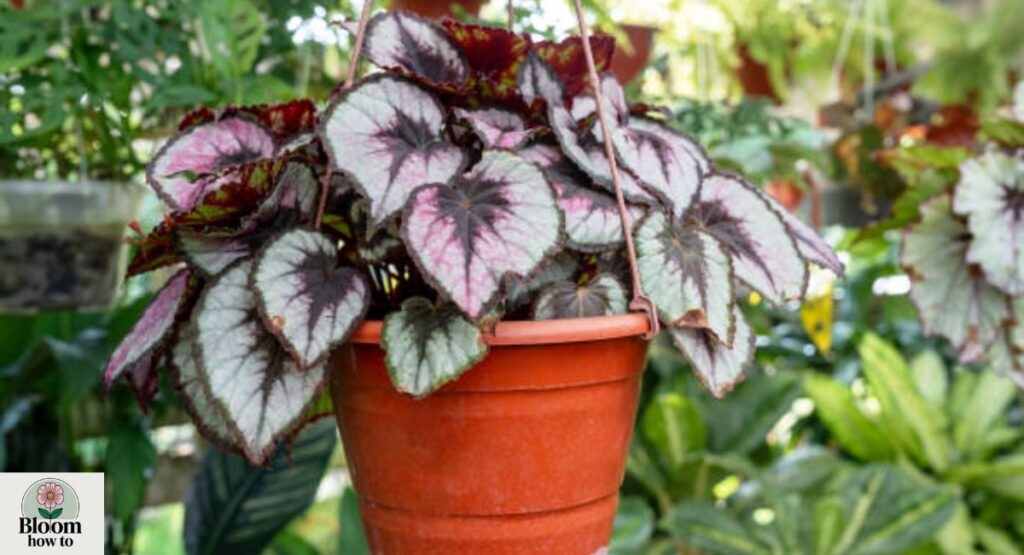
Begonias are versatile plants that add a splash of color to any indoor space. They thrive in bright, filtered light and bloom for months. Their patterned leaves are as attractive as their flowers, giving double the beauty for half the effort.
Orchid (Phalaenopsis)
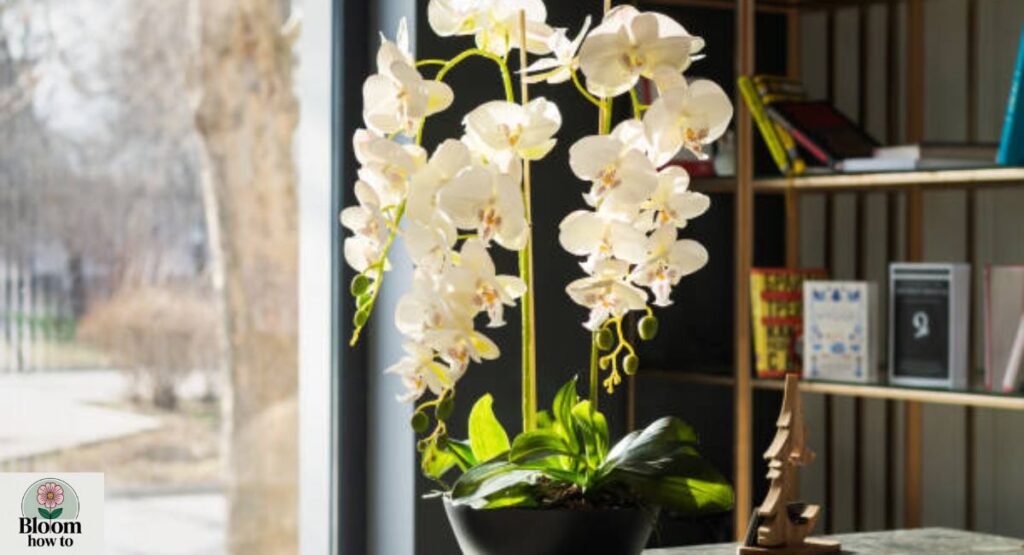
Known for its exotic beauty, the Orchid is one of the most loved indoor flowering plants in the USA. With proper care, its blooms can last for months. Keep it near a window with indirect sunlight and mist it occasionally for humidity.
Kalanchoe (Widow’s Thrill)
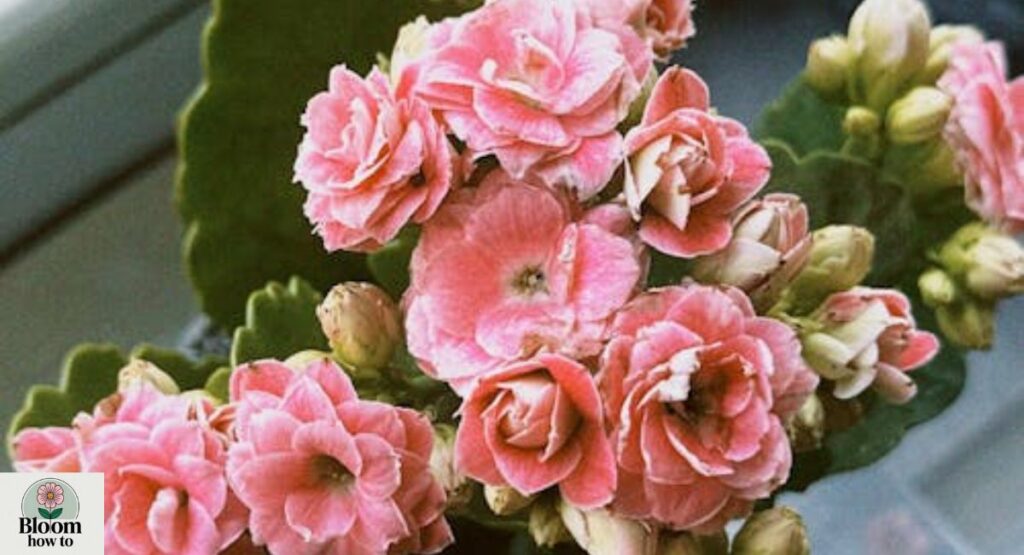
This succulent flowering plant bursts with clusters of tiny, bright flowers that last for weeks. Kalanchoe loves sunlight and doesn’t need frequent watering, making it a great pick for beginners. Its long-lasting blooms make winter feel like spring.
Jasmine (Indoor Varieties)
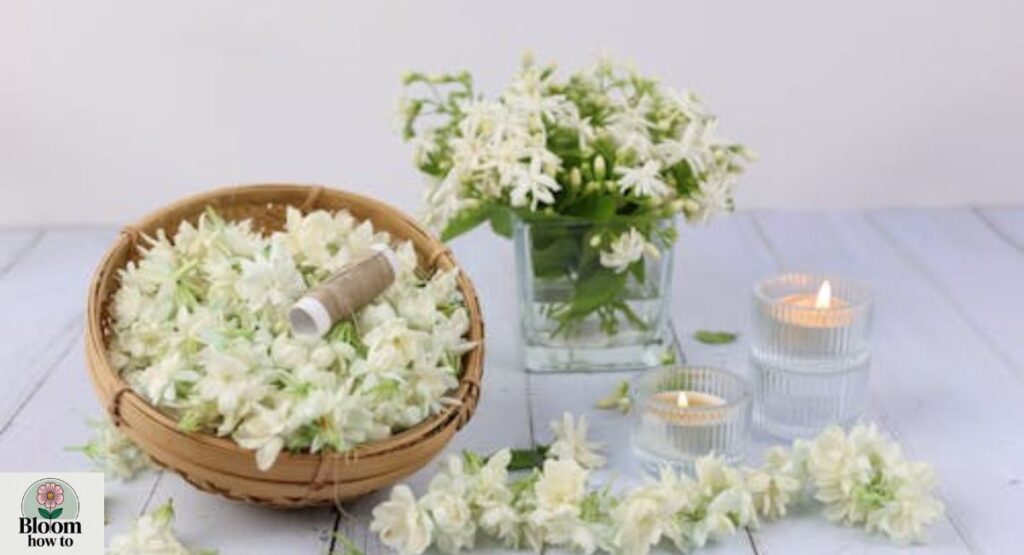
Indoor Jasmine brings fragrance and grace to your home. Its delicate white flowers smell heavenly and bloom in bright light. With proper pruning and warmth, jasmine can fill your living room with both beauty and scent all year.
Chrysanthemum (Mum Plant)
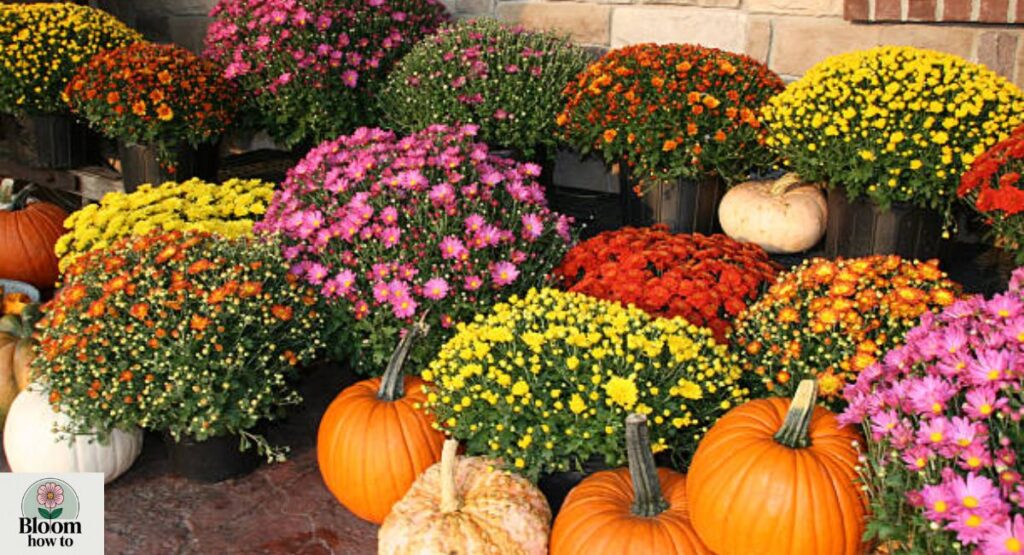
Known simply as Mums, these plants bring cheerful colors like yellow, pink, and orange. They need bright light and consistent moisture to keep flowering. Place them near a sunny window for endless blooms and vibrant energy indoors.
Impatiens (Busy Lizzie)
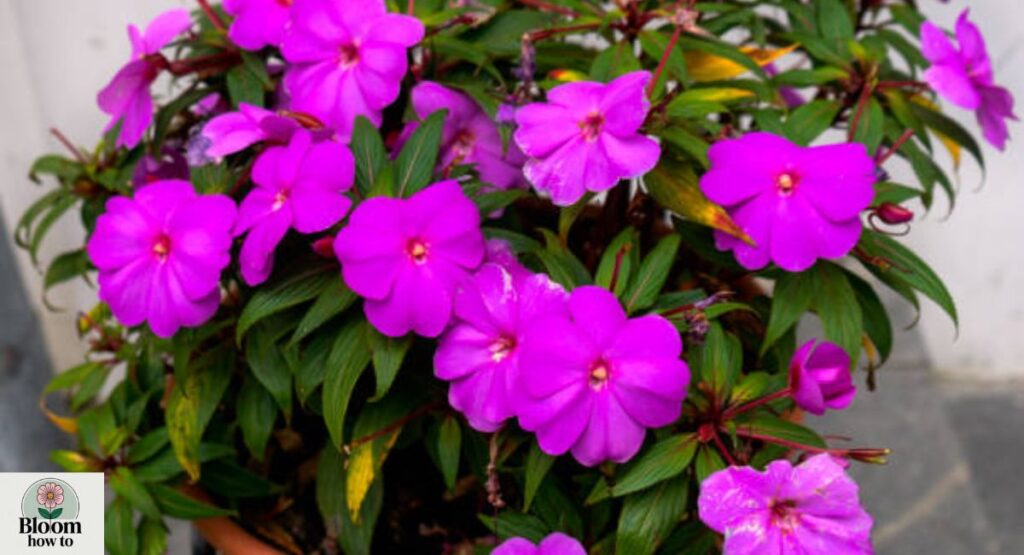
Impatiens are perfect for adding constant color to low-light corners. They’re easy to care for and bloom profusely with proper watering. Their small, soft flowers come in many shades, brightening every dull space beautifully.
Bromeliad (Guzmania / Aechmea)
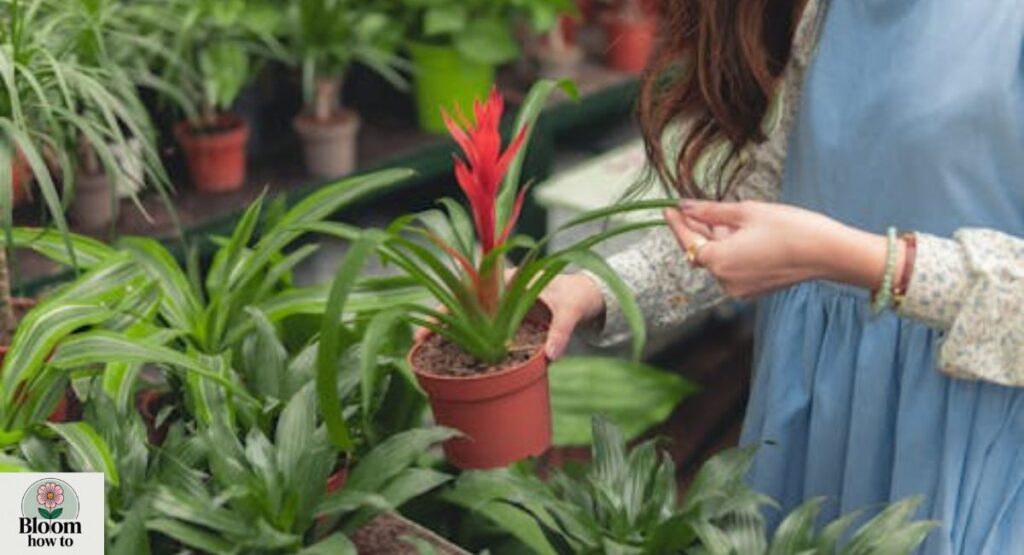
The Bromeliad is a tropical gem that thrives indoors with very little effort. Its colorful, long-lasting blooms come in shades of red, orange, and yellow. This potted indoor flower adds a bold touch to any room and loves indirect sunlight and moderate humidity.
Cyclamen (Persian Violet)
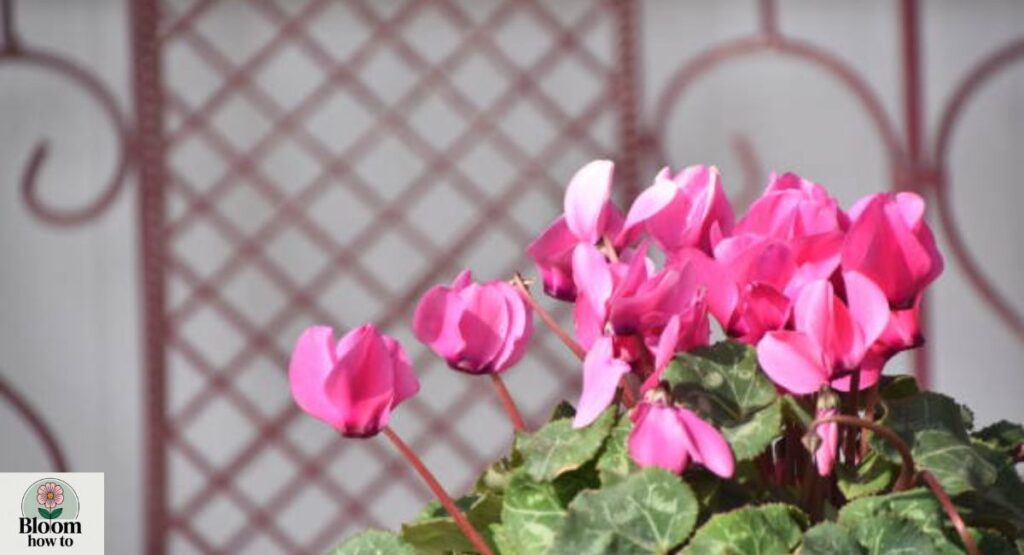
With its heart-shaped leaves and butterfly-like flowers, Cyclamen brings elegance to cool indoor spaces. It blooms beautifully during winter and prefers indirect light. Keep its soil slightly moist, and it will reward you with color even in the coldest months.
Hibiscus (Dwarf Indoor Type)
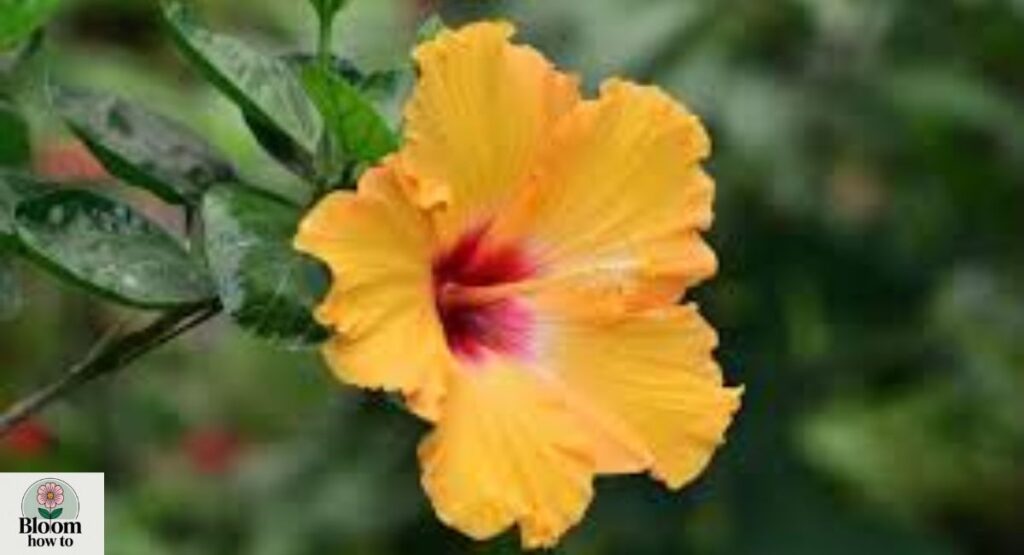
The Hibiscus is famous for its large, showy flowers that bring a tropical feel indoors. Dwarf varieties are perfect for homes and bloom in stunning shades of red, pink, and orange. Give it bright light, and it’ll bloom again and again throughout the year.
Oxalis (Purple Shamrock)
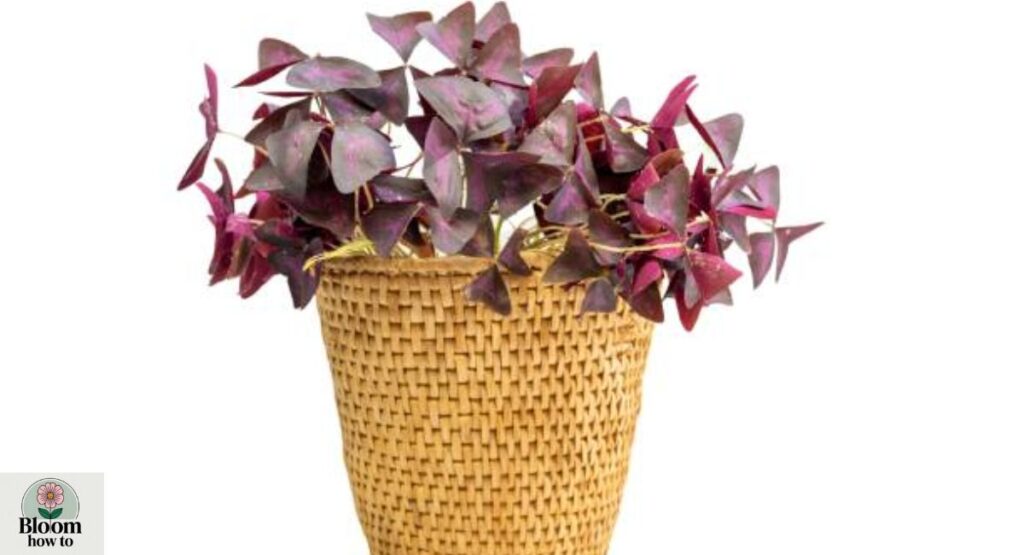
Oxalis, often called the Purple Shamrock, is as charming as it is unique. Its purple leaves fold at night like little butterflies. With enough light and water, this plant blooms with tiny white or pink flowers that add magic to your space.
Cape Primrose (Streptocarpus)
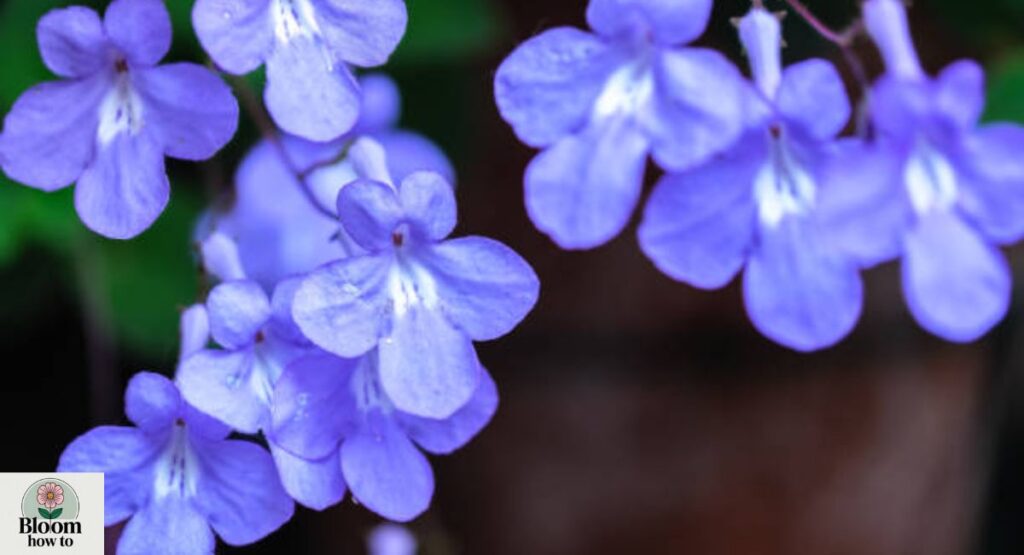
The Cape Primrose is a stunning indoor flowering plant with soft, velvety leaves and trumpet-shaped flowers. It loves moderate light and regular watering. With gentle care, it can produce continuous blooms in shades of blue, purple, and pink.
Clivia (Bush Lily)
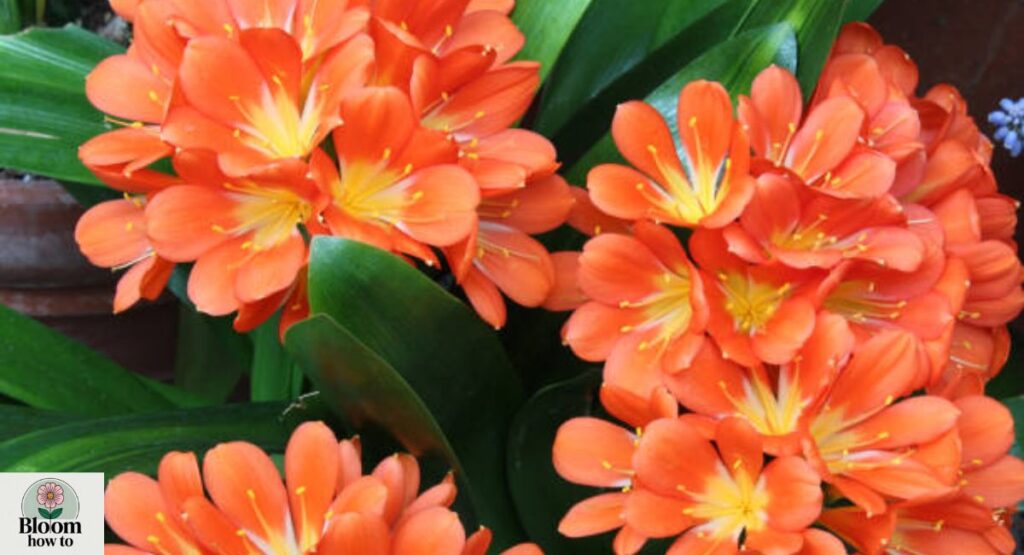
Clivia, or Bush Lily, brings a burst of orange and yellow flowers that bloom even in winter. It enjoys shaded spots and needs very little attention. Many plant lovers in the U.S. admire its glossy green leaves and elegant shape.
Ixora (Jungle Geranium)
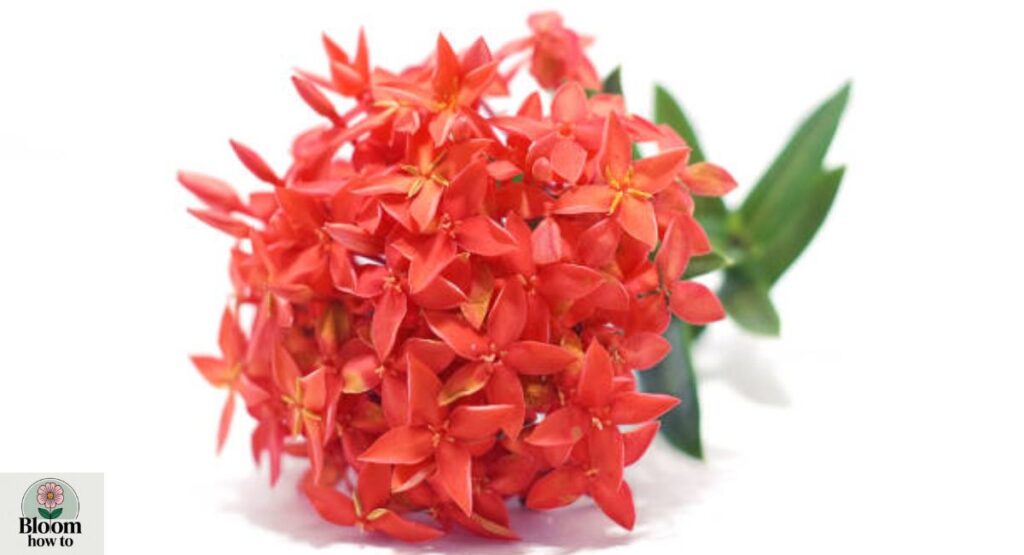
The Ixora, or Jungle Geranium, is a tropical favorite with clusters of bright flowers. Indoors, it loves warmth and light. Its blooms appear in bold colors like red, coral, and yellow, giving any room a cheerful, sunny vibe all year long.
Gerbera Daisy (Transvaal Daisy)
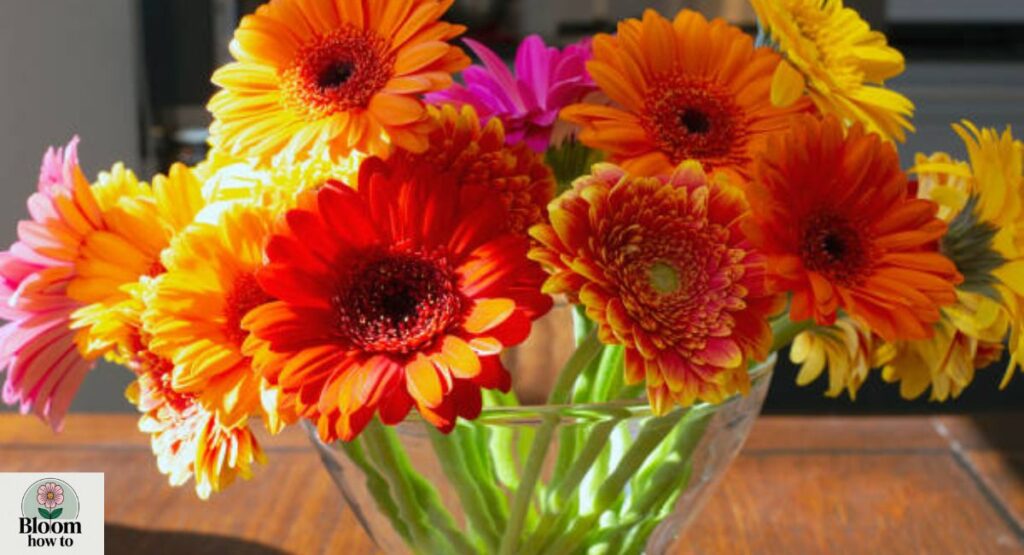
Gerbera Daisies are one of the most cheerful indoor flowering plants around. Their big, daisy-like flowers bloom in every color you can imagine. They thrive in bright light and bring positive energy to homes and offices across the USA.
Poinsettia (Christmas Flower)
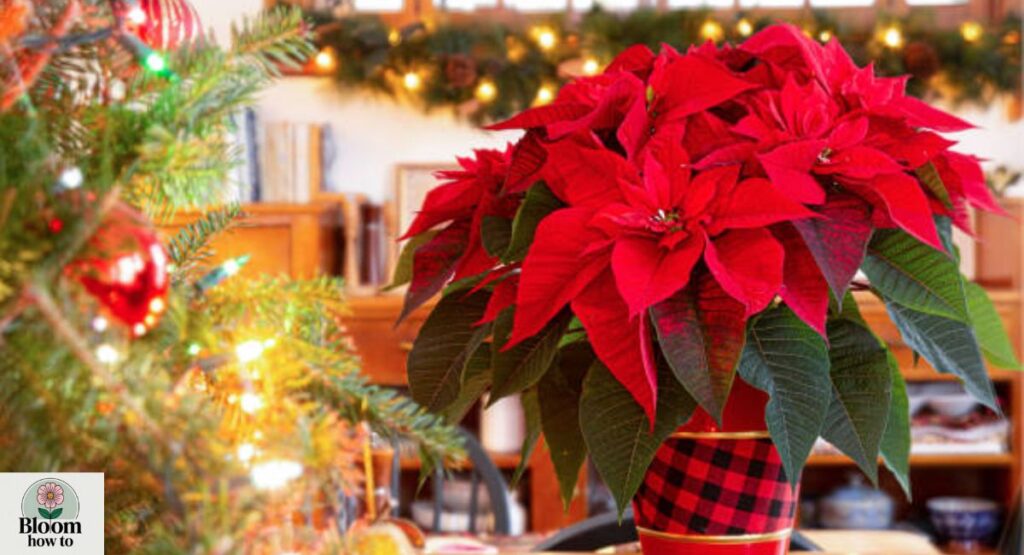
The Poinsettia isn’t just for the holidays. With proper care, it can bloom long after Christmas. Its red and green foliage makes it a festive and eye-catching indoor plant and flower. Keep it in bright light, and you’ll enjoy it year-round.
Azalea (Indoor Hybrid Varieties)
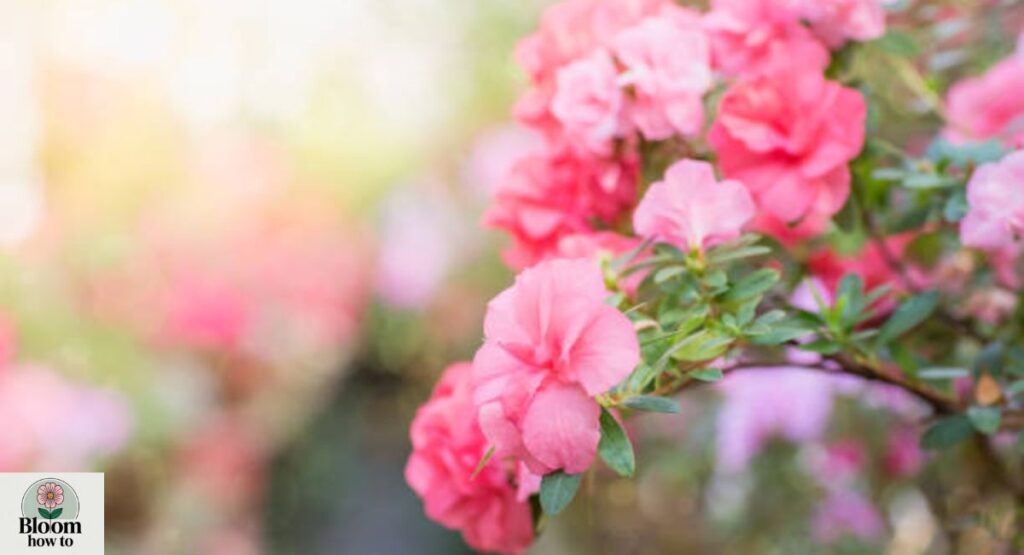
Azaleas are stunning indoor plants known for their soft, colorful flowers. The indoor hybrid types bloom several times a year and love cool temperatures. With good care, they can stay vibrant for months, making them a perfect centerpiece for any U.S. home.
5. Best Potted Indoor Flowers for Year-Round Beauty
When it comes to decorating your home, potted indoor flowers are the easiest way to bring constant color and joy into your space. They fit anywhere from windowsills to coffee tables and can bloom beautifully even in small apartments. The right pot doesn’t just hold the plant; it helps it thrive.
Choosing the correct container for your indoor flowering plants is essential. Pots made from terracotta or ceramic allow the soil to breathe, while plastic ones hold moisture longer, which can be helpful in dry climates like Arizona or Nevada. Always make sure your pot has drainage holes to prevent root rot, one of the most common problems among flowering houseplants.
The size of the pot matters too. A small African Violet will thrive in a 4-inch container, while a Peace Lily may need 8–10 inches to grow freely. Repot your plants once a year to refresh the soil and give roots space to expand. Here’s a simple guide:
| Plant Name | Ideal Pot Size | Light Requirement | Bloom Duration |
| African Violet | 4–5 inches | Bright, indirect light | All year |
| Anthurium | 6–8 inches | Medium light | All year |
| Begonia | 6 inches | Filtered light | Spring to fall |
| Orchid | 6–8 inches | Indirect light | 2–3 months |
| Kalanchoe | 5–6 inches | Bright light | Winter to summer |
Potted plants also make your home feel warmer and more welcoming. Place blooming plants near natural light sources or under grow lights if your home lacks sunlight. Rotate the pots every few weeks so all sides of the plant receive equal light exposure. This small habit helps maintain even growth and continuous flowering.
Mixing plants is another fun idea. You can pair a tall Anthurium with shorter Begonias or Kalanchoes to create layers of color and texture. Add decorative ceramic pots, and your indoor garden will look like a living artwork. With just a few pots, you can enjoy a garden that stays alive all year long no backyard required.
6. Expert Care Tips for Flowering Houseplants
Caring for flowering houseplants isn’t as hard as it looks. With a few simple habits, you can enjoy bright blooms all year without stress. The secret is consistency plants love routines just like people do.
Start with watering. Most indoor flowering plants prefer moist but not soggy soil. Always check the top inch of soil before watering. If it’s dry, add water slowly until it drains out of the bottom. In the U.S., where heating systems dry indoor air during winter, misting your plants once or twice a week helps maintain the right humidity level. Some tropical indoor flowers like orchids and bromeliads love this extra moisture.
Light plays a big role in keeping blooms healthy. Rotate your pots every two weeks so all sides of the plant receive equal sunlight. If your room doesn’t get enough natural light, invest in LED grow lights that mimic the sun. They’re energy-efficient and perfect for potted indoor flowers during darker months.
Feeding your plants is another important step. Use a balanced liquid fertilizer every 3–4 weeks during the growing season. Organic options like compost tea or worm castings are great for keeping your soil rich and alive. For low-maintenance indoor plants, reduce feeding during winter when growth slows down.
Pruning and deadheading removing old flowers encourages fresh blooms. Gently trim any yellow or wilted leaves to keep your plant healthy and prevent diseases. If you notice roots poking out from the bottom of the pot, it’s time to repot. Choose a slightly bigger container with fresh soil so the plant can stretch its roots and continue to thrive.
Finally, remember that plants, like people, need attention. Talk to them, notice their changes, and adjust care when needed. With time, you’ll develop a rhythm that keeps your indoor flowering plants that bloom all year glowing with life and color.
7. Common Indoor Plant Problems & Solutions
Even the healthiest indoor flowering plants face challenges sometimes. Yellow leaves, droopy stems, or no blooms don’t panic. These are normal signs that your plants need a little extra care and attention. Knowing how to read these signals helps you fix problems before they get worse.
One common issue is overwatering. Many potted indoor flowers suffer because their roots stay too wet. If your plant’s leaves turn yellow or the soil smells sour, it’s a sign of waterlogging. Let the soil dry completely before watering again, and always use pots with drainage holes. For the opposite problem underwatering the leaves become crisp and brown. Water thoroughly until you see moisture escape from the bottom of the pot.
Light problems are also frequent. Flowering houseplants need the right balance of sunlight. Too much direct light can burn leaves, while too little causes weak growth and no blooms. Try placing your plants near a window with filtered sunlight or use LED grow lights for support.
Pests like aphids, spider mites, and mealybugs can also attack indoor flowers. You might see sticky leaves or fine webs on your plants. Wipe them gently with a damp cloth and spray a mixture of mild soap and water to remove the pests naturally. Neem oil also works great as an organic pest repellent.
Lastly, if your indoor flowering plants that bloom all year suddenly stop producing flowers, they might need feeding or repotting. Use a balanced fertilizer rich in potassium and phosphorus, and refresh the soil once a year. With a little observation and quick action, you can bring your plants back to full bloom and keep your home bright and colorful all year round.
8. Styling Ideas: How to Decorate Your Space with Indoor Flowers
Decorating with indoor flowering plants is one of the simplest ways to make your home feel alive and full of character. Whether you live in a big house or a small apartment, the right flowers can instantly change your space from plain to stunning.
Start by thinking about color and placement. Choose potted indoor flowers that match your room’s mood. For example, bright Anthuriums or Geraniums bring energy to living rooms, while soft Peace Lilies or Orchids create a calm, relaxing bedroom vibe. Mixing colors and textures like pairing tall, leafy greens with small blooming plants adds visual depth and natural balance.
If you have limited space, try using vertical shelves, hanging pots, or window planters. Hanging flowering houseplants such as Begonias or Lipstick plants create a cascading effect that looks elegant and saves space. Placing a few indoor flowers on your dining or coffee table adds a fresh and welcoming touch for guests.
Lighting also plays a big role in design. Position your indoor flowering plants that bloom all year where they can catch natural sunlight, such as near windows or glass doors. For darker corners, use stylish floor or table lamps to highlight your favorite blooms and create a cozy atmosphere.
And don’t forget about containers! Decorative ceramic pots, glass jars, or woven baskets can double as art pieces. Matching your pot designs with your room’s theme modern, rustic, or minimal will make your plants look even more beautiful. With a little creativity, your flowering indoor plants can become both living decor and mood boosters for every corner of your home.
Conclusion
Growing indoor flowering plants that bloom all year is a simple way to fill your home with joy, color, and calm. These lovely blooms from potted indoor flowers to fragrant flowering houseplants create a space that feels alive and welcoming every day. With the right care, even small apartments can turn into blooming indoor gardens. So, start today pick your favorite indoor flowers, give them love and light, and enjoy their year-round beauty that keeps your home fresh and full of life.
FAQs
1. What are the best indoor flowering plants that bloom all year?
Some of the best indoor flowering plants that bloom all year include Anthurium, African Violet, Begonia, Peace Lily, and Kalanchoe. They stay colorful and thrive indoors with minimal care.
2. Which indoor flowers grow well in low light?
Peace Lilies, Bromeliads, and Orchids are perfect low light indoor flowers that can bloom beautifully even in shaded corners of your home.
3. How do I keep my indoor plants blooming all year?
Give your flowering houseplants enough indirect sunlight, water them regularly, and use a balanced fertilizer every few weeks for continuous blooms.
4. Are potted indoor flowers easy to care for?
Yes, most potted indoor flowers are very easy to care for. Choose the right pot with drainage holes, water when the soil is dry, and place them near bright light.
5. Which indoor plants are safe for pets?
African Violets, Orchids, and Spider Plants are pet-friendly indoor plants that add beauty without posing any risk to cats or dogs.

Welcome to bloom how to! I’m Anam Sattar, an AI Powered SEO, and Content Writer with 4 years of experirnce.
I help websites rank higher,grow traffic, and look amazing. My goal is to make SEO and web design simple and effective for everyone.
Let’s achieve more together!