

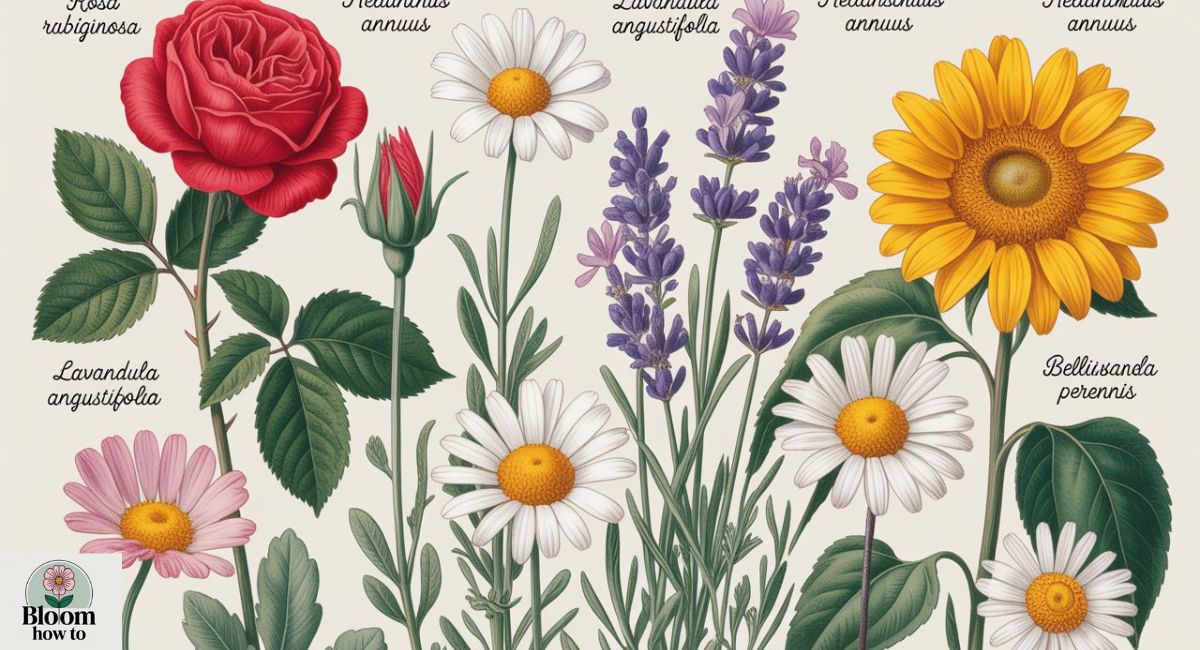
Flowers are not just a feast for the eyes; they carry cultural, ecological, and medicinal significance. Knowing the scientific names of flowers helps you identify them accurately and communicate with gardeners, botanists, and nature enthusiasts worldwide. This ultimate list of flowers with their scientific names covers popular, rare, and medicinal flowers, making it a complete guide for anyone interested in botany or gardening. By learning these names, you can avoid confusion caused by local or common names and appreciate each flower’s unique characteristics. Whether you’re planting a garden or studying plants, this guide is your perfect companion.
2. What Are Scientific Names?
Scientific names use a Latin-based system called binomial nomenclature, developed by Carl Linnaeus. Every plant has a genus and species name, like Rosa indica for the garden rose. This method avoids misidentification caused by regional common names.
Using scientific names allows botanists, gardeners, and students to communicate precisely. It also helps in understanding plant relationships, characteristics, and even medicinal uses. Without this system, the same flower could have dozens of confusing names worldwide.
3. Popular Flowers and Their Scientific Names
Rose (Rosa indica)
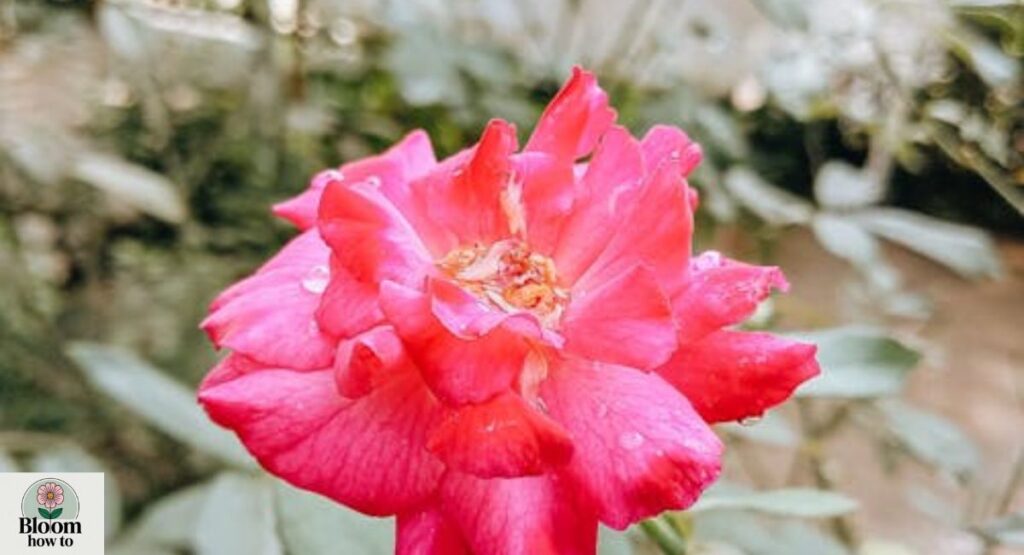
Roses are universally loved for their fragrance and beauty. Rosa indica comes in colors like red, pink, yellow, and white, each carrying different symbolic meanings.
Sunflower (Helianthus annuus)
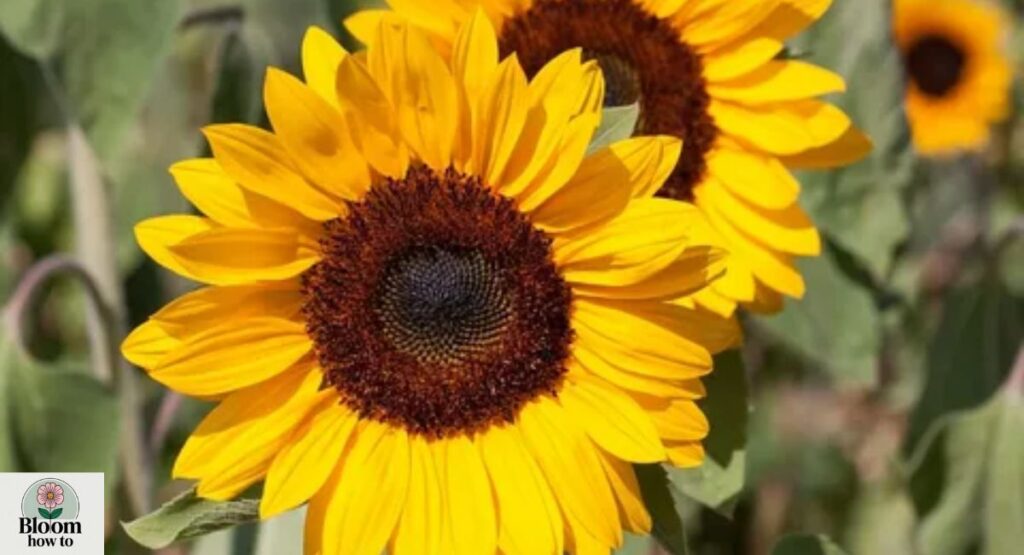
Sunflowers follow the sun’s movement and produce edible seeds. Helianthus annuus is not only visually striking but also provides nutrition and oil.
Tulip (Tulipa gesneriana)
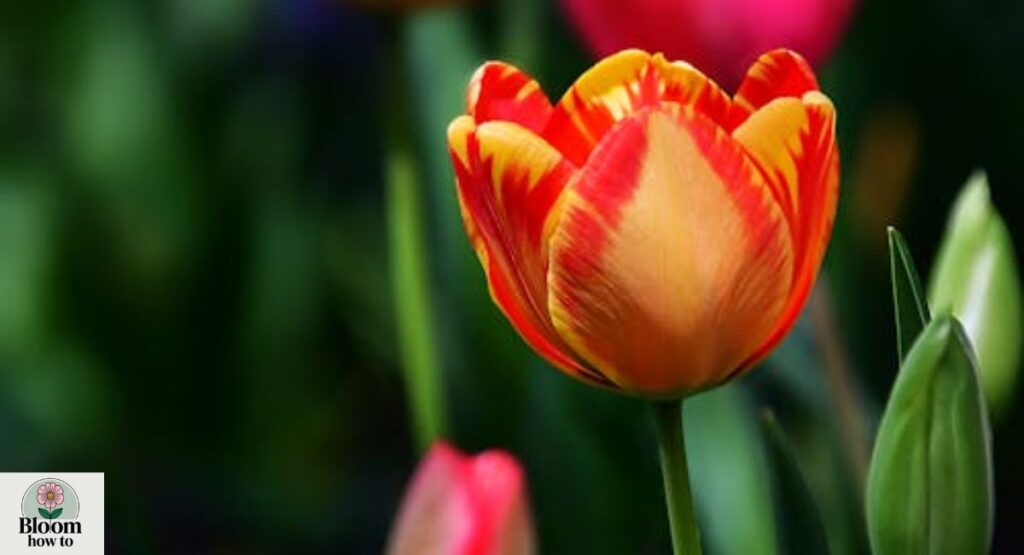
Tulips bloom in spring with a wide range of colors. Tulipa gesneriana is admired for its simple elegance and long-lasting flowers.
Marigold (Tagetes erecta)
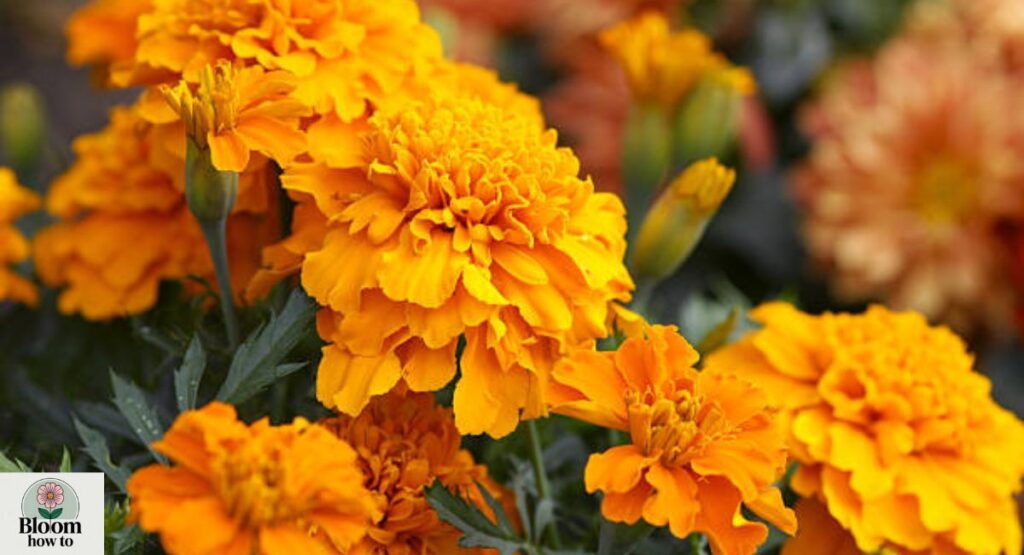
Bright and hardy, marigolds are often used in festivals and decorations. Tagetes erecta also has pest-repelling properties, making it practical for gardens.
Daisy (Bellis perennis)
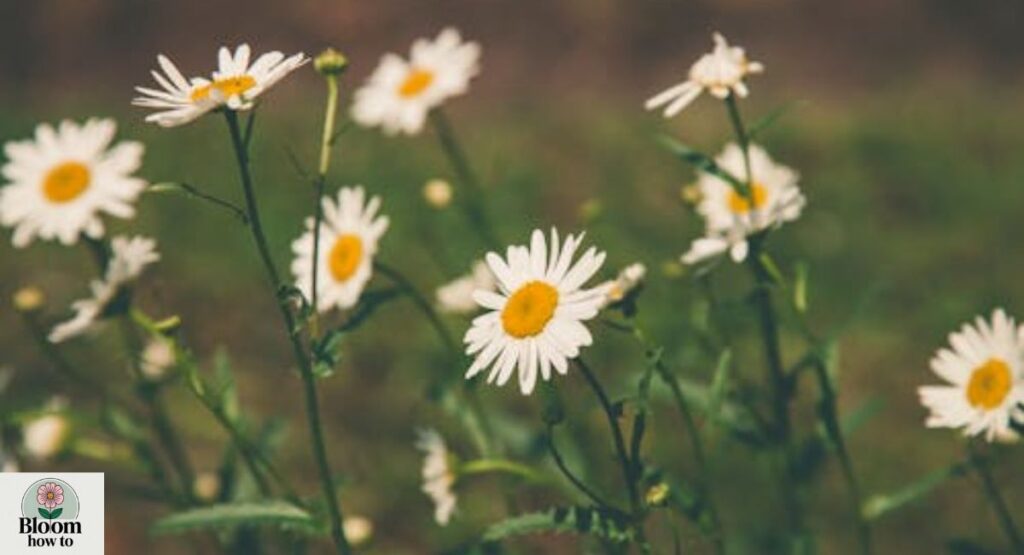
Daisies have a charming simplicity and are easy to grow. Bellis perennis symbolizes purity and innocence and thrives in lawns and flowerbeds.
4. Rare & Exotic Flowers with Scientific Names
Ghost Orchid (Dendrophylax lindenii)
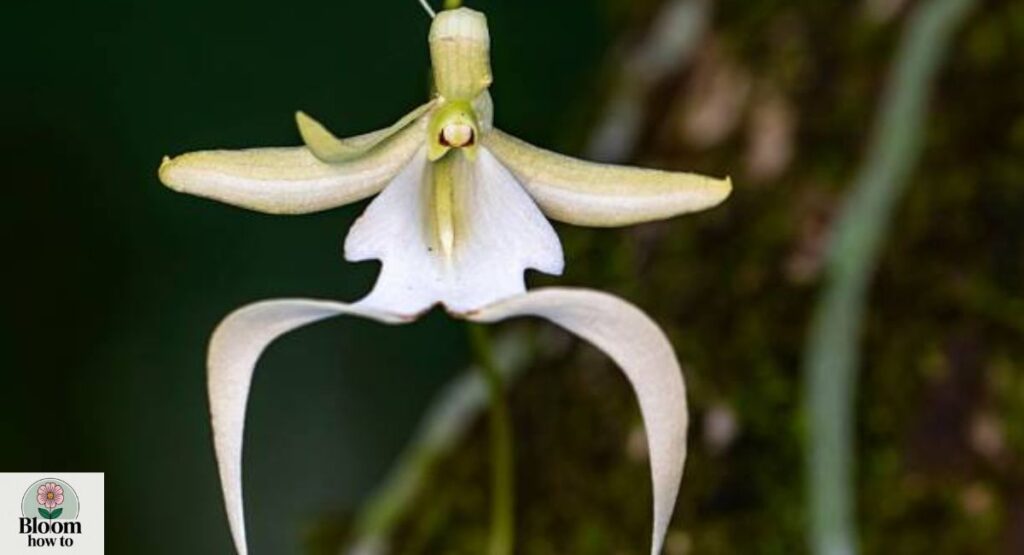
Found in Florida swamps, the Ghost Orchid has no leaves and seems to float in air. Dendrophylax lindenii blooms mysteriously, attracting enthusiasts worldwide.
Corpse Flower (Amorphophallus titanum)
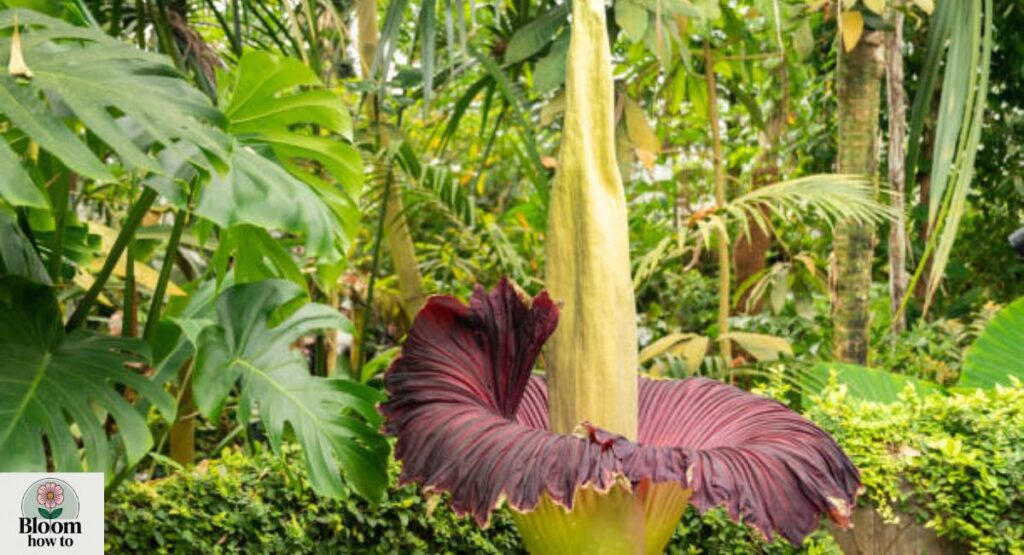
The massive Amorphophallus titanum is famous for its strong odor. Blooming rarely, it draws scientists and tourists alike.
Blue Himalayan Poppy (Meconopsis betonicifolia)
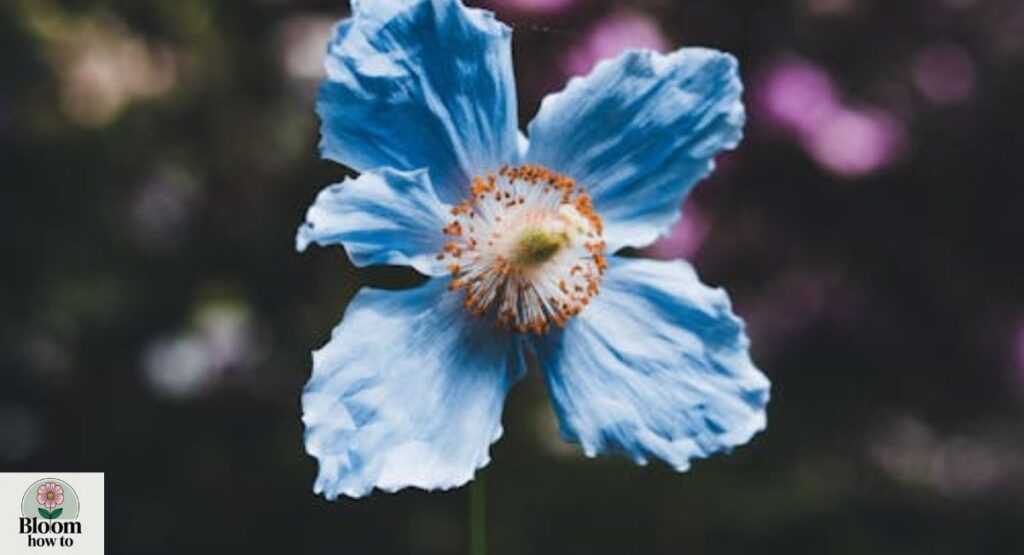
This striking blue flower thrives in colder climates. Meconopsis betonicifolia is a rare gem for gardeners seeking unique blooms.
Passion Flower (Passiflora caerulea)
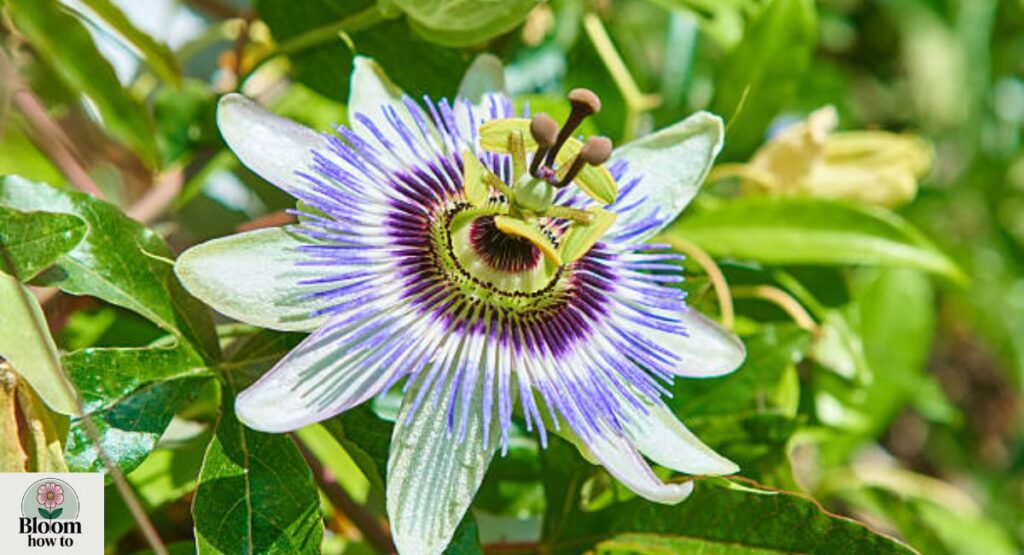
Exotic climbers with intricate designs, Passiflora caerulea attract bees and butterflies, supporting pollination while adding beauty.
Orchid (Phalaenopsis amabilis)
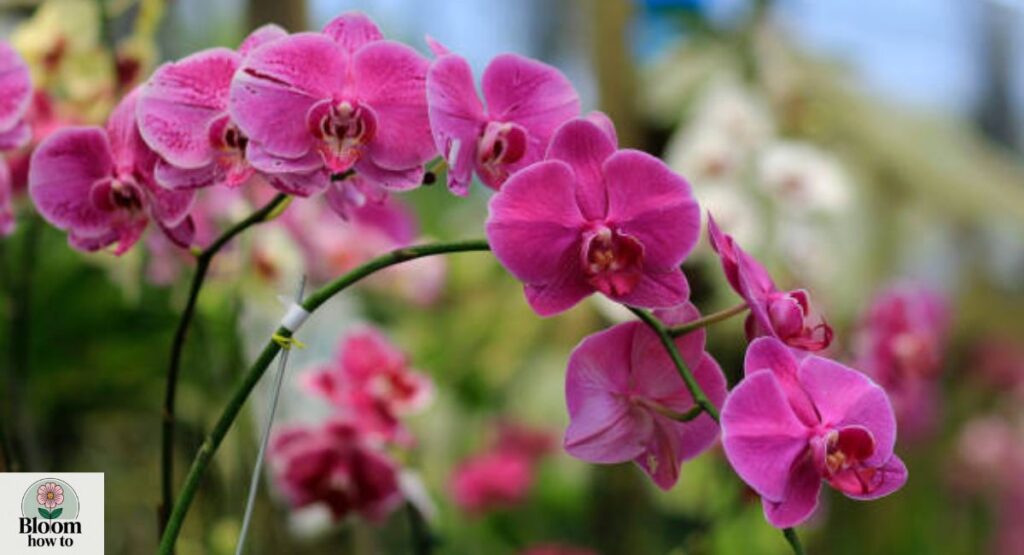
Phalaenopsis orchids are elegant indoor plants. Phalaenopsis amabilis comes in white, pink, and purple, offering long-lasting blooms and a tropical feel.
5. Medicinal Flowers and Their Scientific Names
Chamomile (Matricaria chamomilla)
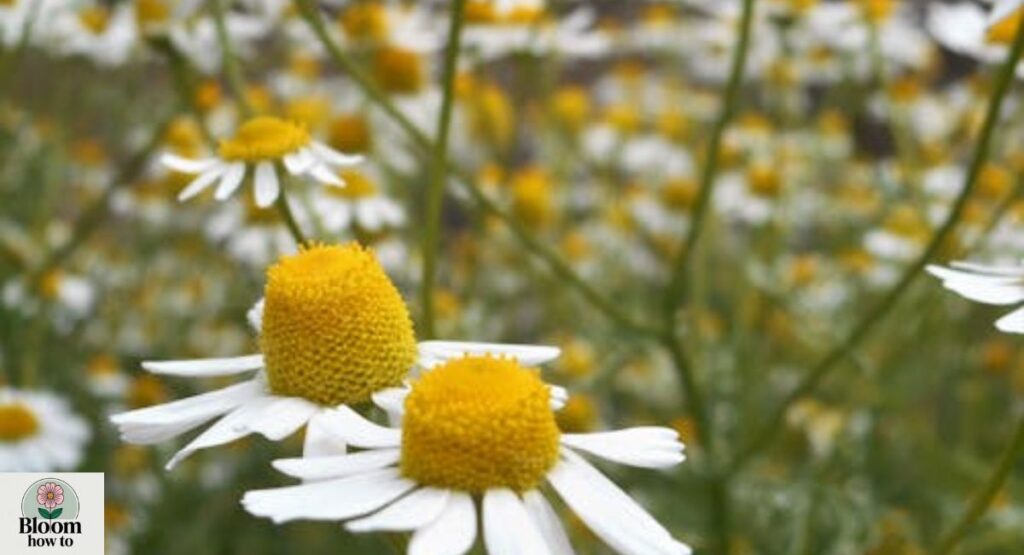
Used in teas, Matricaria chamomilla soothes digestion, reduces stress, and improves sleep quality.
Lavender (Lavandula angustifolia)
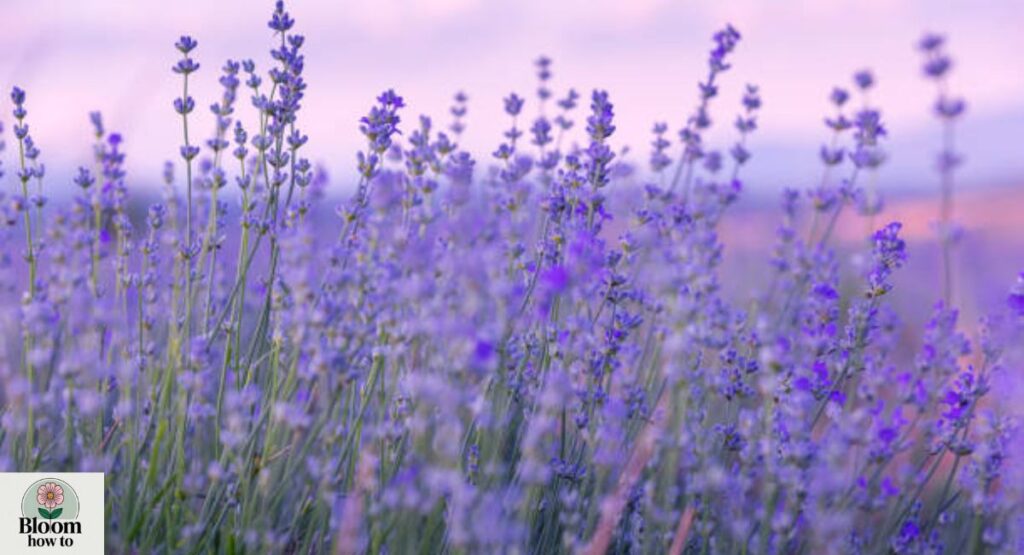
Lavandula angustifolia relaxes the mind, repels insects, and produces essential oils for aromatherapy.
Calendula (Calendula officinalis)
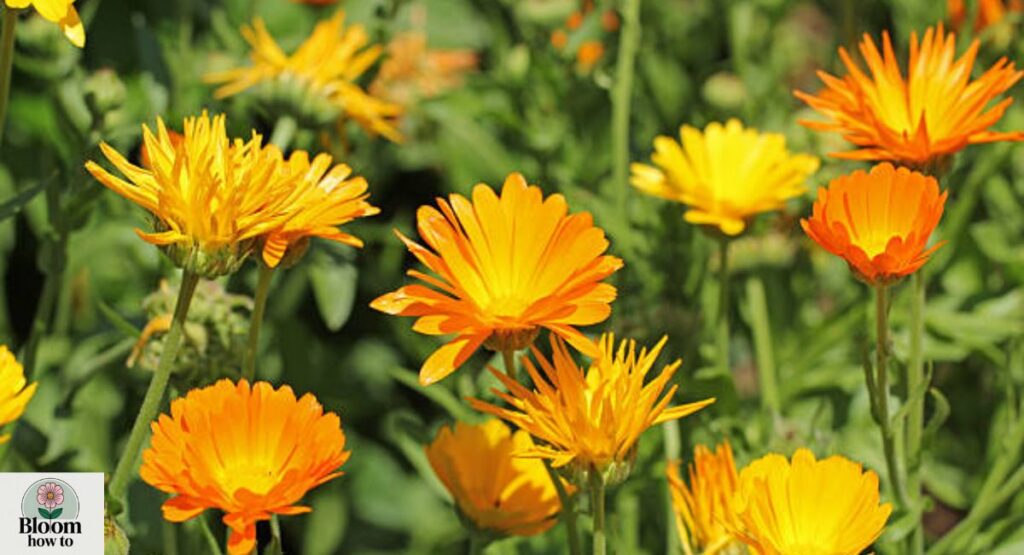
Bright petals of Calendula officinalis are used in creams for skin healing and anti-inflammatory purposes.
Hibiscus (Hibiscus rosa-sinensis)
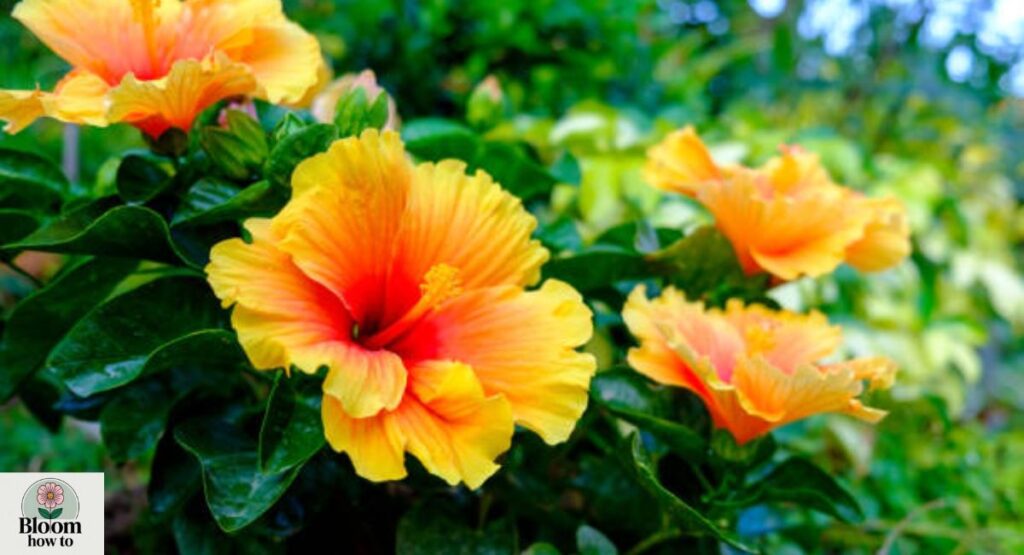
Hibiscus rosa-sinensis is popular in teas for heart health and immunity, while adding vibrant color to gardens.
Jasmine (Jasminum sambac)
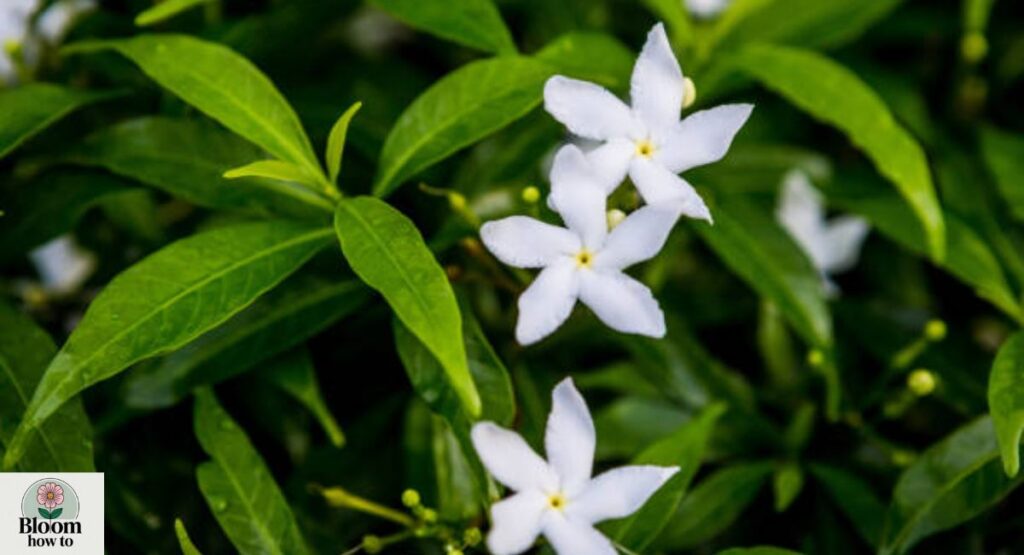
Jasminum sambac has a heavenly fragrance, used in perfumes, teas, and for its calming effects on the mind.
6. How to Identify Flowers Using Scientific Names
Identifying flowers becomes simple when you learn their scientific names. Observing a flower’s shape, petals, and leaves, and matching it with its Latin name ensures accuracy. For example, Rosa indica is a cultivated rose, different from wild varieties like Rosa multiflora.
Field guides, botanical apps, and online plant databases make it easier to connect local flowers to their scientific names, saving confusion and allowing gardeners and enthusiasts to communicate effectively.
7. Helpful Chart: Flowers and Their Scientific Names (A–Z)
| Flower Name | Scientific Name | Type |
| Rose | Rosa indica | Popular |
| Sunflower | Helianthus annuus | Popular |
| Tulip | Tulipa gesneriana | Popular |
| Marigold | Tagetes erecta | Popular |
| Daisy | Bellis perennis | Popular |
| Ghost Orchid | Dendrophylax lindenii | Rare |
| Corpse Flower | Amorphophallus titanum | Rare |
| Blue Himalayan Poppy | Meconopsis betonicifolia | Rare |
| Passion Flower | Passiflora caerulea | Exotic |
| Orchid | Phalaenopsis amabilis | Exotic |
| Chamomile | Matricaria chamomilla | Medicinal |
| Lavender | Lavandula angustifolia | Medicinal |
| Calendula | Calendula officinalis | Medicinal |
| Hibiscus | Hibiscus rosa-sinensis | Medicinal |
| Jasmine | Jasminum sambac | Medicinal |
| Peony | Paeonia lactiflora | Exotic |
| Gardenia | Gardenia jasminoides | Exotic |
| Magnolia | Magnolia grandiflora | Rare |
| Geranium | Pelargonium graveolens | Popular |
| Nasturtium | Tropaeolum majus | Medicinal |
8. Fun Facts About Flowers and Their Scientific Names
Did you know that the scientific names of flowers often tell stories about their origin, color, or even the person who discovered them? For example, Rosa indica reflects the rose’s connection to India, while Lavandula angustifolia hints at its narrow leaves. Learning these names can feel like unlocking little secrets about nature. Some flowers even have fascinating behaviors, like the sunflower (Helianthus annuus) that follows the sun throughout the day, or the Ghost Orchid (Dendrophylax lindenii) that seems to float in mid-air.
Flowers aren’t just beautiful they’re full of surprises. Many rare and exotic flowers bloom only once in several years, and medicinal plants like Chamomile have been soothing humans for centuries. Exploring the scientific names of flowers can make you appreciate them even more, turning every garden visit into a mini-adventure in botany.
9. Conclusion
The scientific names of flowers are essential for identification and understanding. From popular garden favorites to rare exotic species and medicinal flowers, this ultimate list of flowers with their scientific names provides a thorough guide for gardeners, students, and nature lovers.
Learning these names not only enhances your knowledge but also connects you to the fascinating world of botany. Next time you see a flower, check its scientific name you might discover a story or use you never knew before.
FAQs
1. Why are scientific names important for flowers?
Scientific names provide a universal way to identify flowers accurately, avoiding confusion from local or common names.
2. How do I use scientific names to identify flowers?
By matching a flower’s genus and species with guides or apps, you can accurately identify it anywhere in the world.
3. Are scientific names the same in every country?
Yes, scientific names are standardized globally, so the same flower has one official Latin name everywhere.
4. Can I grow rare flowers like Ghost Orchid at home?
Some rare flowers need special conditions, like humidity and temperature, making them hard to grow at home.
5. Do medicinal flowers have scientific names too?
Yes, all medicinal flowers, like Chamomile (Matricaria chamomilla) and Lavender (Lavandula angustifolia), have scientific names for precise identification.

Welcome to bloom how to! I’m Anam Sattar, an AI Powered SEO, and Content Writer with 4 years of experirnce.
I help websites rank higher,grow traffic, and look amazing. My goal is to make SEO and web design simple and effective for everyone.
Let’s achieve more together!