

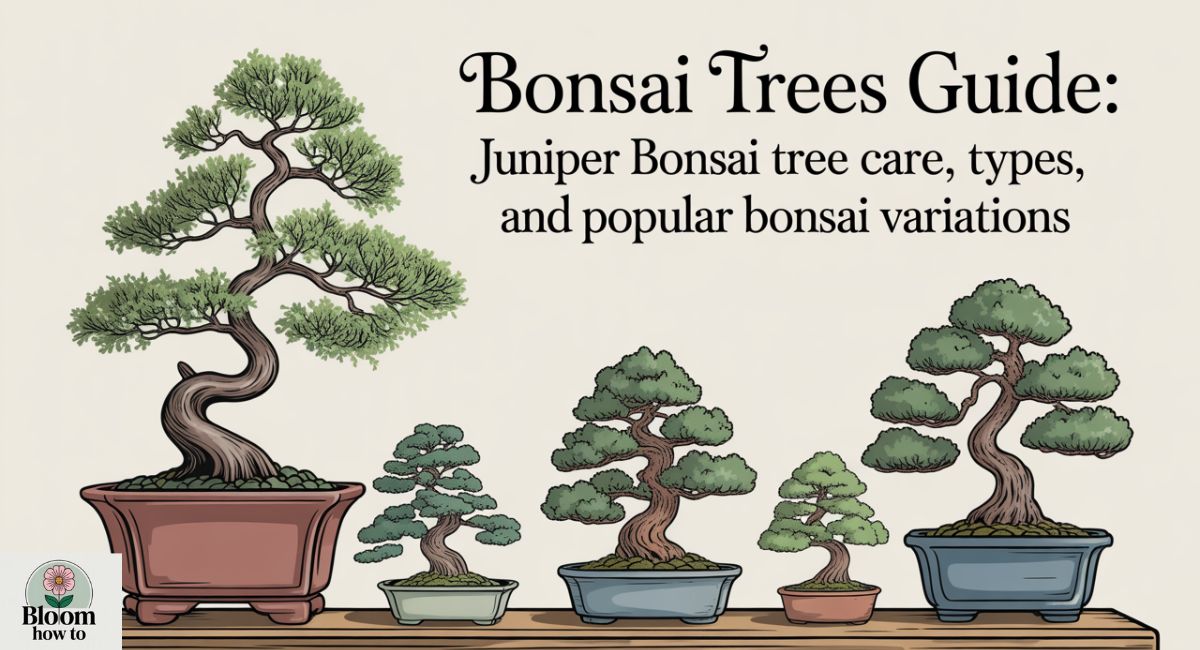
This Bonsai Trees Guide: Juniper Bonsai Tree Care, Types, and Popular Bonsai Variations is created for people who want simple and reliable knowledge. Bonsai trees are not just plants. They are living art that grows with your care and patience. Among all bonsai trees, the juniper bonsai tree stands out for its strength and beauty.
It survives different US climates and forgives beginner mistakes. In this guide, you’ll learn how juniper bonsai tree care really works, which juniper bonsai types suit your space, and how popular bonsai variations shape the tree’s character. Think of this guide as a friendly roadmap that helps you grow a healthy bonsai with confidence.
2. Understanding Juniper Bonsai Trees
A juniper bonsai tree stays evergreen all year. It thrives outdoors and handles cold winters better than most bonsai trees. That toughness explains why US growers choose juniper first.
Unlike tropical bonsai, juniper needs seasons. Cold winters help it rest. Warm summers push growth. When you respect this cycle, juniper bonsai tree care becomes predictable and much easier.
3. Popular Types of Juniper Bonsai Trees
Chinese Juniper Bonsai Tree

The Chinese juniper bonsai tree is one of the most common bonsai trees in the USA. It grows quickly and responds well to pruning and wiring. Because it forgives small mistakes, beginners often start their juniper bonsai tree care journey with this type. Its foliage can be shaped into many classic bonsai styles.
Japanese Juniper Bonsai Tree

The Japanese juniper bonsai tree grows slower than the Chinese variety, but it develops finer details over time. Its needles stay compact, which helps create an aged and elegant look. Many experienced growers prefer it for long-term bonsai projects. This tree rewards patience and careful shaping.
Juniper Nana Bonsai Tree

The juniper nana bonsai tree stays naturally small and dense. It works well for people with limited space, such as patios or balconies. Despite its size, it remains hardy and handles cold weather well. This makes it a popular choice among urban bonsai lovers.
Rock Juniper Bonsai Tree
The rock juniper bonsai tree is built for survival. It tolerates strong sun, wind, and dry conditions better than many bonsai trees. Its rugged growth pattern fits dramatic styles like cascade and windswept. Growers often use it to create bold and powerful bonsai designs.
| Juniper Bonsai Type | Growth Speed | Best For | Difficulty Level |
| Chinese Juniper | Fast | Beginners | Easy |
| Japanese Juniper | Slow | Advanced styling | Medium |
| Juniper Nana | Moderate | Small spaces | Easy |
| Rock Juniper | Moderate | Harsh climates | Medium |
If you want, I can now write the next section with the same style and rules.
4. Juniper Bonsai Tree Care Guide
Light, Water, and Soil for Juniper Bonsai Tree Care
Sunlight drives health. Place your juniper bonsai tree outdoors where it gets at least six hours of sun daily. Shade weakens needles and invites disease.
Water deeply when soil feels slightly dry. Never follow a fixed schedule. Good drainage saves roots. Use a gritty soil mix that drains fast and breathes well.
Pruning, Wiring, and Feeding
Pruning keeps shape and airflow. Trim new growth gently during spring and summer. Wiring bends branches slowly, like guiding a river instead of forcing it.
Feed lightly every two weeks during the growing season. Too much fertilizer burns roots. Balanced feeding builds strong foliage and compact growth over time.
5. Seasonal Care for Juniper Bonsai Trees
Spring wakes the tree. Summer builds strength. Fall prepares roots. Winter protects rest. This seasonal flow defines juniper bonsai tree care in the USA.
Cold regions need wind protection in winter. Mild areas still require dormancy. Never bring juniper indoors long-term. It weakens fast without real seasons.
| Season | Main Focus |
| Spring | Growth and pruning |
| Summer | Water and sun |
| Fall | Root health |
| Winter | Cold protection |
6. Common Problems and Solutions
Brown needles often mean overwatering. Yellow needles signal poor light. Most bonsai trees fail from kindness, not neglect.
Pests like spider mites appear in dry heat. Improve airflow and wash foliage gently. Root rot comes from soggy soil. Drainage fixes most problems fast.
7. Popular Bonsai Variations and Styles
The formal upright style looks strong and balanced. Informal upright adds movement and age. Cascade styles mimic trees on cliffs and feel dramatic.
Forest styles use multiple trees to tell a story. Windswept styles show survival. These popular bonsai variations let you express personality through living design.
8. Indoor vs Outdoor Juniper Bonsai Trees
Many beginners ask if a juniper bonsai tree can live indoors. The short answer is no, at least not long term. Juniper bonsai trees need real sunlight, fresh air, and seasonal temperature changes to stay healthy. Keeping them indoors weakens needles and slows growth.
Outdoor placement helps your juniper bonsai tree care routine succeed. A balcony, patio, or garden works well. Even in cold US states, junipers handle winter better than most bonsai trees when protected from harsh wind.
9. How Long Do Juniper Bonsai Trees Live
A healthy juniper bonsai tree can live for decades. Some live over one hundred years when cared for properly. Longevity depends on consistent watering, correct sunlight, and good soil.
Think of bonsai like fitness. Small daily habits matter more than big actions. With steady juniper bonsai tree care, your tree can outlive trends, moves, and even generations.
10. Beginner Mistakes to Avoid in Juniper Bonsai Tree Care
Overwatering kills more bonsai trees than neglect. Beginners often water on schedule instead of checking soil. Junipers prefer slightly dry roots between watering.
Another mistake is keeping the tree indoors too long. Remember, juniper bonsai trees are outdoor trees. Giving them fresh air and sun prevents most problems before they start.
11. Why Juniper Bonsai Trees Are Best for Beginners
Juniper forgives mistakes. It handles missed watering better than tropical bonsai. It also resists pests and survives cold weather.
For Americans new to bonsai, this makes the juniper bonsai tree the safest choice. You learn skills without constant stress, which keeps the hobby enjoyable instead of frustrating.
12. Buying a Juniper Bonsai Tree
When buying a juniper bonsai tree, inspect roots and foliage. Healthy needles feel firm and smell fresh. Avoid bright green dyed trees.
In the USA, online sellers offer variety. Local nurseries offer guidance. Beginners should choose trained nursery stock, not mall-store bonsai.
| Buying Tip | Why It Matters |
| Check roots | Prevents rot |
| Natural color | Avoid dyed trees |
| Outdoor label | Confirms species |
13. Conclusion
This Bonsai Trees Guide: Juniper Bonsai Tree Care, Types, and Popular Bonsai Variations proves bonsai isn’t hard. It’s about timing, light, and restraint.
Juniper rewards patience. Treat it like a partner, not a project. With steady care, your juniper bonsai tree can outlive you and keep telling its story.
FAQs
Can a juniper bonsai tree grow indoors?
A juniper bonsai tree should stay outdoors most of the year. Indoor air and low light weaken it quickly.
How often should I water a juniper bonsai tree?
Water when the topsoil feels slightly dry. Avoid schedules and always check the soil first.
Is juniper bonsai tree care suitable for beginners?
Yes, juniper bonsai tree care is beginner-friendly because the tree is hardy and forgives small mistakes.
How long does a juniper bonsai tree live?
With proper care, a juniper bonsai tree can live for several decades and sometimes over 100 years.
Why are juniper bonsai trees so popular in the USA?
They handle different climates well, grow beautifully, and fit many popular bonsai variations.

Welcome to bloom how to! I’m Anam Sattar, an AI Powered SEO, and Content Writer with 4 years of experirnce.
I help websites rank higher,grow traffic, and look amazing. My goal is to make SEO and web design simple and effective for everyone.
Let’s achieve more together!