

Nature has an incredible way of showing life through color, scent, and rhythm, and understanding All About Blooms reveals this magic. From the cheerful perennial flowers in your backyard to the intoxicating jasmine fragrance in summer gardens, blooms bring beauty and life to every corner. Even bodies of water can surprise us with algae blooms, which show how nature reacts to environmental changes. Learning about bloom cycles, plant care, and seasonal patterns helps gardeners and nature enthusiasts alike appreciate the delicate balance of life. By exploring flowering plants, eco-friendly gardening, and natural cycles, you can see how every bloom has its unique story.
2. Perennial Flowers That Bloom All Summer
Perennial flowers are the backbone of many U.S. gardens. Unlike annuals that live for just one season, these plants return year after year, providing consistent color and life. They thrive in a wide range of climates and soil types, making them ideal for both novice and experienced gardeners.
Perennials offer months of continuous blooms, from early June through late September. Gardeners encourage flowering through regular deadheading, soil enrichment with compost, and careful watering practices. The right combination of sunlight, nutrients, and care ensures that these plants keep flourishing, offering visual delight and ecological support.
Shasta Daisy
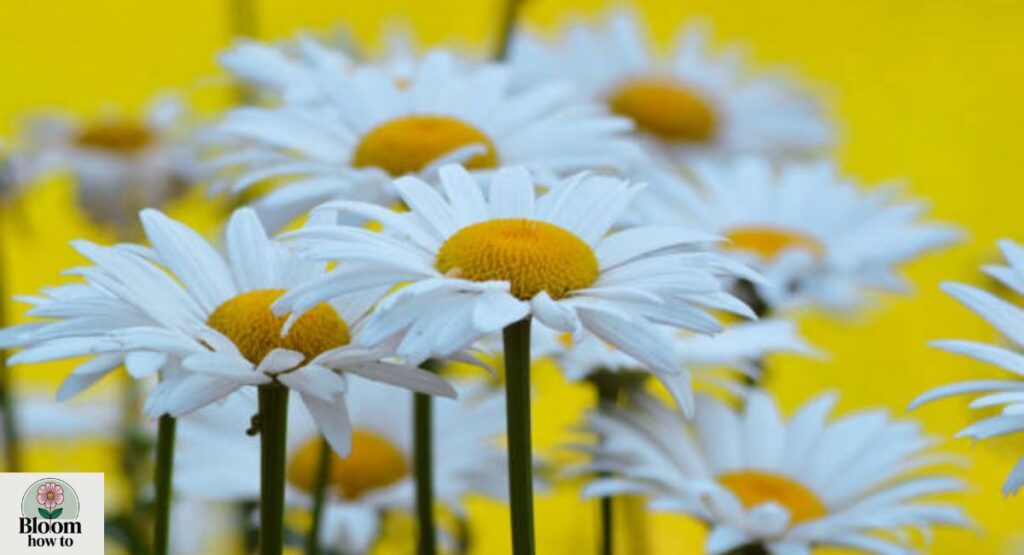
The Shasta Daisy is a classic perennial that brightens gardens across the U.S. Its white petals surround a sunny yellow center, giving it a cheerful appearance that appeals to gardeners and pollinators alike. Shasta Daisies bloom from June to August, making them perfect for mid-summer gardens.
They are hardy plants that thrive in full sun and well-drained soil, tolerating heat and light drought. Their resilience makes them ideal for American backyards, where they often self-seed, creating natural clusters that can grow year after year. Bees and butterflies frequently visit Shasta Daisies, adding life and activity to your garden.
Daylily
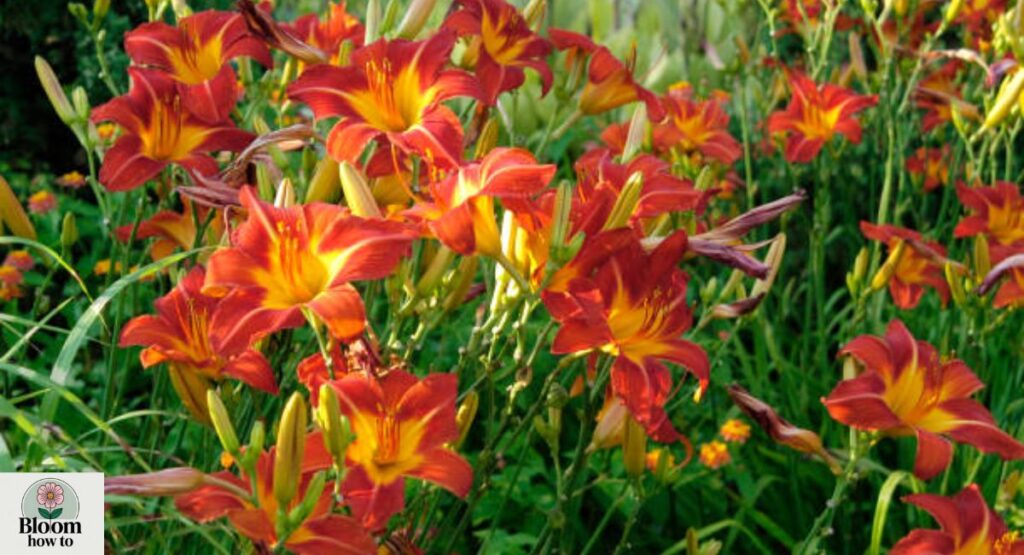
The Daylily is another staple in perennial gardens. Known for its vibrant colors ranging from yellow to deep burgundy, it blooms profusely from July through September. Each flower lasts only a day, but new blooms open continually, keeping your garden lively for months.
Daylilies are adaptable and can thrive in both full and partial sun. They require minimal maintenance and are resistant to many pests, making them ideal for gardeners seeking long-lasting summer blooms. Their striking foliage also adds texture, even when the flowers are not in full bloom.
Coneflower
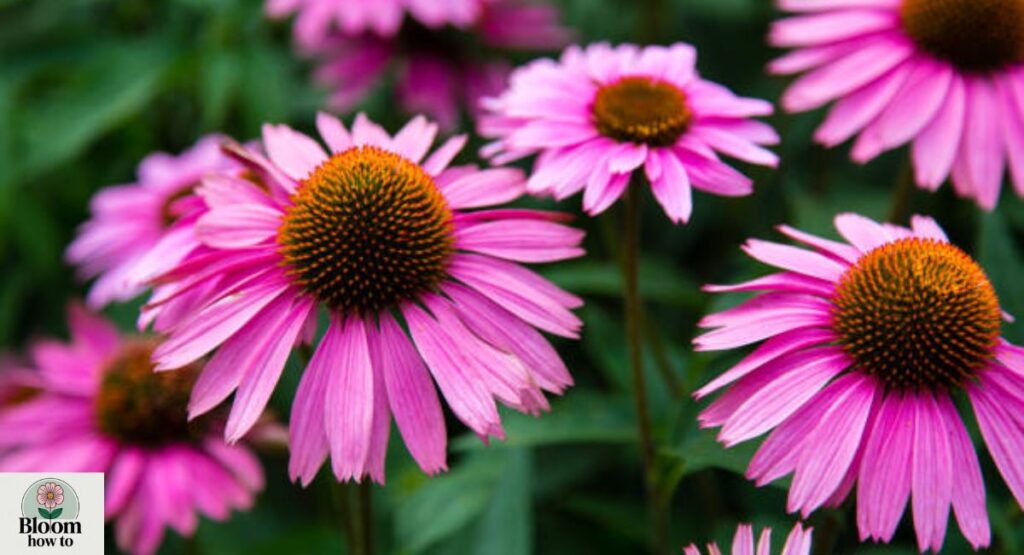
The Coneflower, or Echinacea, is a favorite among U.S. gardeners for its bright purple petals and prominent orange center. Blooming from June to October, it is not only visually appealing but also supports local ecosystems by attracting pollinators and birds.
Coneflowers are drought-tolerant and prefer full sun, thriving even in less-than-perfect soil conditions. Gardeners often use them in borders, wildflower gardens, and pollinator-friendly landscapes. Their medicinal properties, used traditionally to boost immunity, add another layer of value to their appeal.
Coreopsis
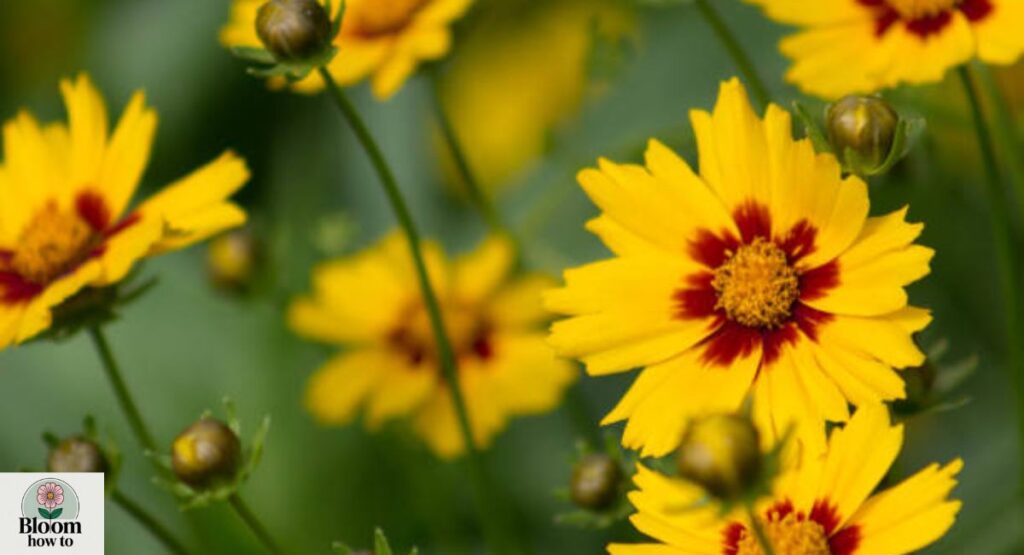
Coreopsis, also known as tickseed, is loved for its cheerful yellow flowers that bloom from May to September. These perennials are low-maintenance, thriving in full sun and well-drained soil, producing abundant flowers throughout the summer.
Coreopsis attracts butterflies and bees, making it an excellent choice for pollinator gardens. Its vibrant flowers can cover entire garden beds, creating a sunny, lively atmosphere. Gardeners also appreciate its resilience against heat and drought, ensuring consistent blooms season after season.
3. Daisy and Agave Blooms: Nature’s Contrasts
This section explores two very different blooms, showing nature’s variety.
Daisy Bloom
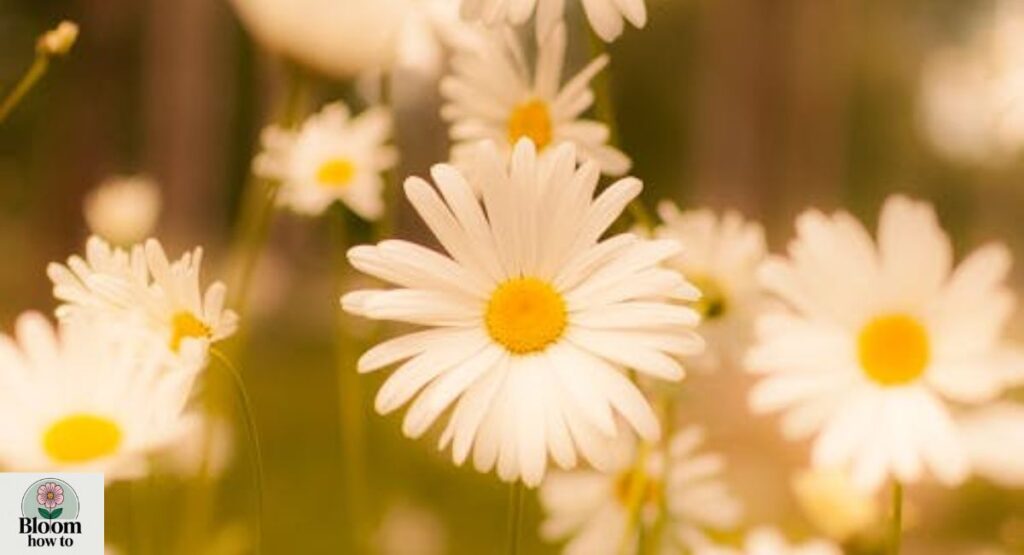
The daisy bloom is a symbol of simplicity and cheerfulness. Its petals radiate from a golden center, brightening gardens and lawns across the U.S. Daisies bloom repeatedly through summer and thrive in sunny areas with well-drained soil.
These flowers attract pollinators, supporting garden biodiversity. They are hardy and self-seeding, meaning they can naturalize and come back stronger each year. Daisies represent both joy and resilience in home gardens.
Agave Bloom
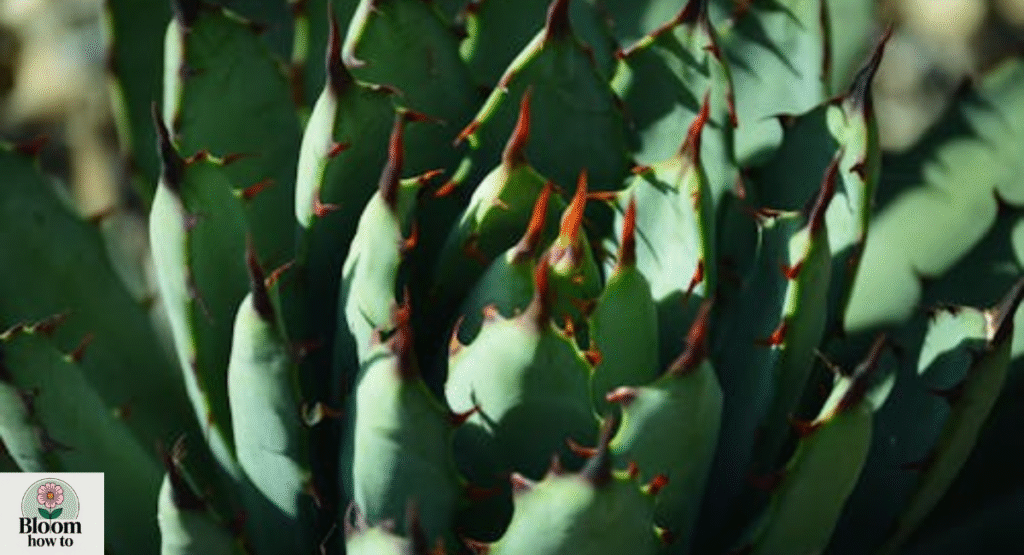
The agave bloom is dramatic and rare. Agave plants store energy for years before producing a tall stalk covered in small yellow-green flowers. Once they bloom, the plant dies, leaving behind a striking natural display.
In the American Southwest, this event is celebrated by desert enthusiasts. The stalk can reach over 20 feet tall, making it one of nature’s most impressive single-lifetime blooms. The agave bloom is a lesson in patience, showing the extraordinary lengths life will go to reproduce.
4. Fragrant Blooms: The Allure of Jasmine
Arabian Jasmine
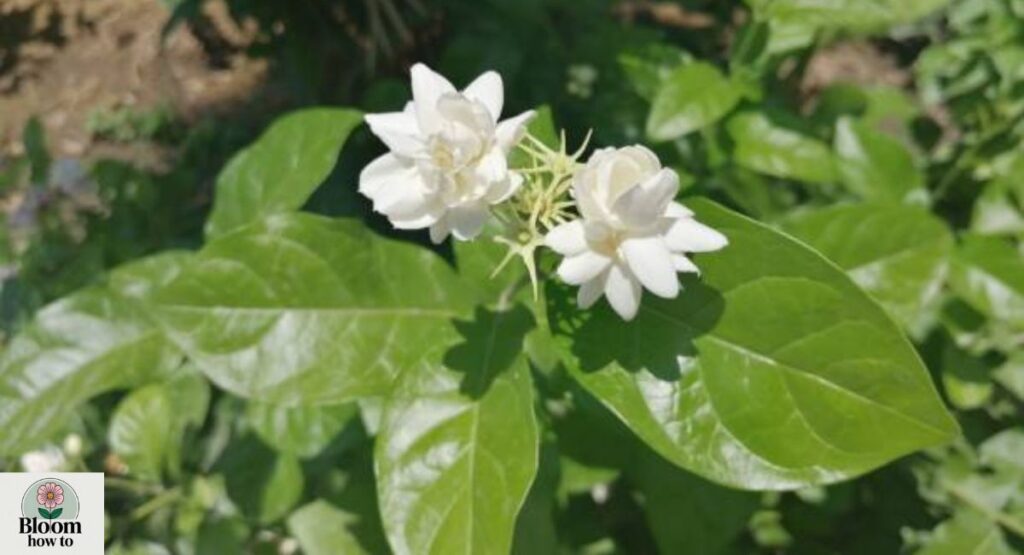
Arabian Jasmine is prized for its intense, sweet fragrance and delicate white flowers. It blooms from May to August, filling gardens with scent that can travel long distances. This tropical plant thrives in warm, humid climates and requires consistent moisture and sunlight.
Its fragrance is particularly strong in the evening, making it ideal for patios or garden walkways. Arabian Jasmine also supports pollinators and can be used for tea and perfumes, adding sensory value beyond visual beauty.
Star Jasmine
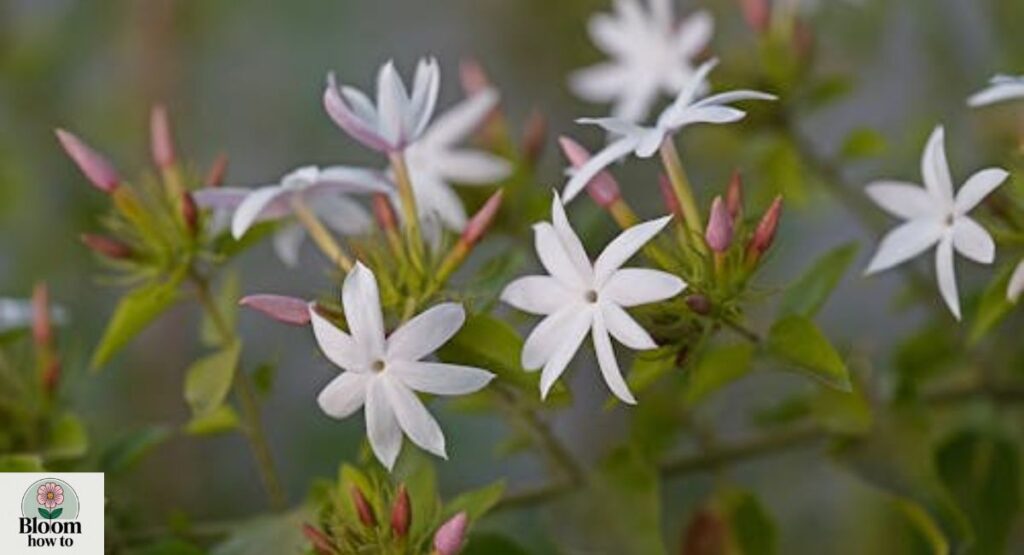
Star Jasmine is widely grown in the U.S. for its star-shaped white flowers and medium-strength scent. Blooming from April to July, it can be grown on trellises, fences, or as a groundcover. It prefers mild climates and well-drained soil, thriving in sunny or semi-shaded locations.
This plant is low-maintenance and adds an aromatic element to gardens without overwhelming other scents. Star Jasmine is also appreciated for its rapid growth and dense foliage, providing both beauty and privacy.
Carolina Jasmine
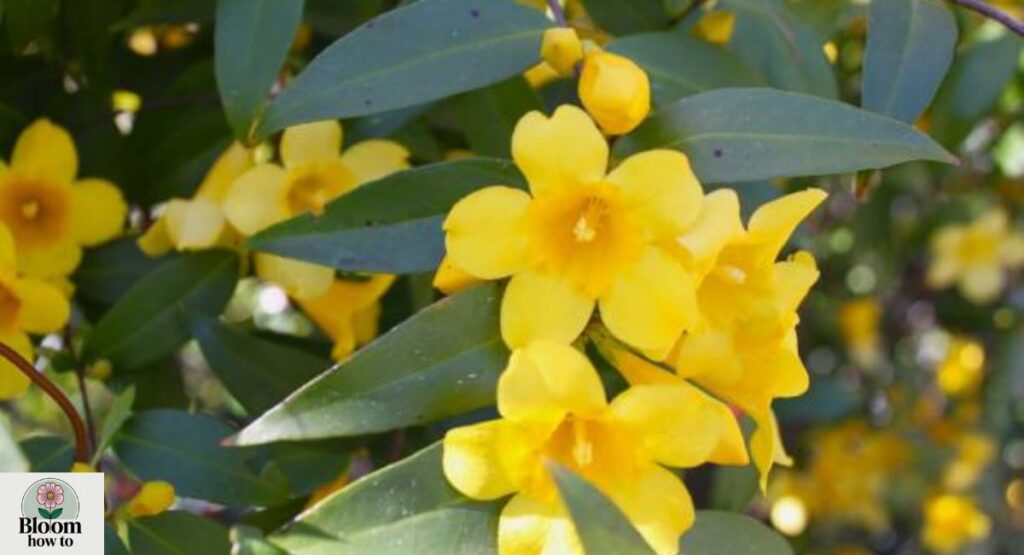
Carolina Jasmine is native to the Southeastern U.S., blooming from March to May. Its light fragrance and bright yellow flowers brighten gardens early in spring, attracting bees and butterflies.
It grows well in warm, humid climates and is often used in landscaping for hedges or borders. Carolina Jasmine’s early bloom season makes it a favorite for gardeners wanting spring color before other plants flower.
5. When Blooming Turns Toxic: Algae Blooms in Lakes
Lake Erie Bloom
Lake Erie experiences cyanobacterial blooms, particularly in summer months when water is warm and nutrient-rich. These blooms can cause skin irritation, nausea, and fish kills, impacting recreation and local fishing industries.
Excess phosphorus from agricultural runoff fuels these blooms, making monitoring and eco-friendly farming critical. Public awareness campaigns encourage lake users to avoid contact with green water during peak bloom periods.
Chautauqua Lake Bloom
Chautauqua Lake in New York has faced recurring blue-green algae blooms, especially in late summer. These blooms release toxins affecting humans, pets, and wildlife. Residents report rashes, eye irritation, and taste changes in drinking water.
Efforts to reduce blooms include planting riparian buffers, reducing fertilizers, and monitoring water quality. Local agencies educate communities about safe water practices, highlighting how human activity directly influences bloom severity.
Clear Lake Bloom
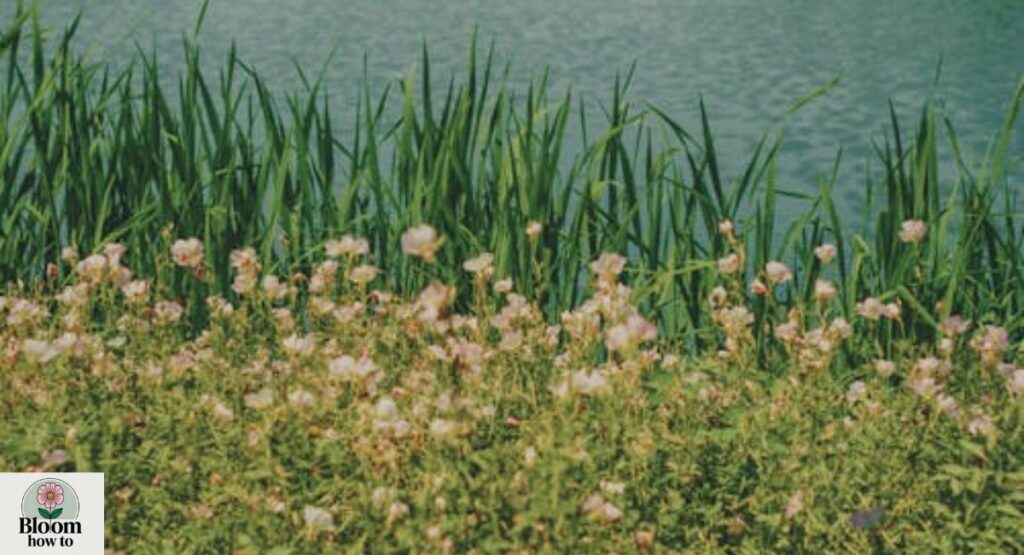
Clear Lake in California experiences Microcystis algae blooms, which can produce dangerous toxins. These blooms threaten aquatic life, sometimes causing massive fish deaths. They also restrict recreational use of the lake, impacting tourism and local economies.
Preventive strategies involve controlling nutrient inputs, promoting wetland filtration, and encouraging community involvement in water stewardship. Clear Lake demonstrates that understanding and managing blooms is as important as enjoying natural beauty.
6. The Science Behind Bloom Cycles
Every bloom follows a biological rhythm, controlled by sunlight, temperature, and nutrients. Plants sense seasonal changes, triggering hormonal reactions that open flowers at optimal times. Pollinators like bees, butterflies, and hummingbirds are integral, ensuring that blooms lead to reproduction.
In the U.S., bloom times vary. Southern states enjoy early spring flowers, while northern regions peak in midsummer. Climate change has shifted bloom timing, sometimes creating mismatches between flowers and pollinators. Studying bloom cycles provides insight into ecological balance, agriculture, and even climate trends.
| Region | Typical Bloom Start | Peak Season |
| South | February | April–June |
| Midwest | April | June–August |
| Northeast | May | July–September |
| West Coast | March | May–July |
7. Bloom Care & Eco-Balance
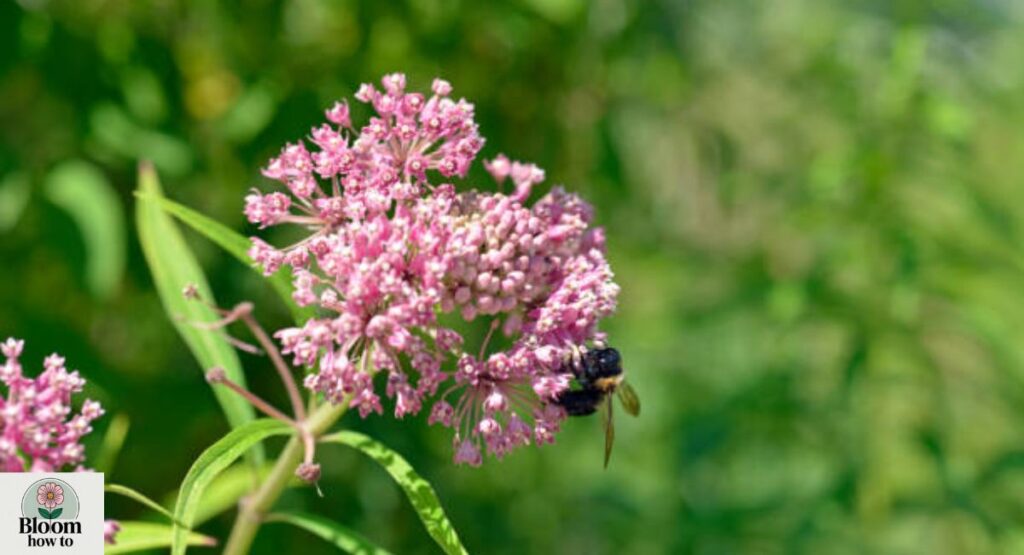
Healthy blooms rely on careful gardening and environmental mindfulness. Choosing native plants like Bee Balm, Milkweed, and Goldenrod reduces water use and supports local pollinators. Composting, mulching, and drip irrigation further promote eco-friendly gardens.
Gardens that respect eco-balance not only flourish visually but also support surrounding ecosystems. Pollinator-friendly plants, chemical-free soil, and careful water management help blooms thrive while protecting lakes, rivers, and wildlife.
8. Conclusion
From cheerful Shasta Daisy blooms to rare Agave flowers, intoxicating Jasmine fragrance, and even dangerous algae blooms, nature offers a spectacular array of life. Learning All About Blooms teaches us to appreciate their beauty, understand their cycles, and respect their risks.
Every bloom carries meaning. The agave bloom shows patience, jasmine blooms inspire with fragrance, and perennial flowers promise continuity. Gardens and ecosystems thrive when humans care responsibly. Every bloom is a reminder of nature’s balance and wonder.
FAQs
1. What does “All About Blooms” mean?
All About Blooms refers to learning about flowering plants, their growth cycles, and how different blooms from perennial flowers to algae blooms shape nature and our environment.
2. How long do perennial blooms last?
Most perennial flowers bloom from early summer to fall, returning every year with proper plant care and sunlight.
3. Are algae blooms dangerous?
Yes, some algae blooms release toxins that can harm fish, pets, and people, especially in warm, nutrient-rich water.
4. Why is jasmine known for its fragrance?
Jasmine blooms contain natural oils that release a strong, sweet floral scent, most noticeable in the evening.
5. How can I help my garden bloom longer?
Use eco-friendly gardening methods like composting, watering early in the morning, and removing faded flowers to encourage continuous bloom cycles.

Welcome to bloom how to! I’m Anam Sattar, an AI Powered SEO, and Content Writer with 4 years of experirnce.
I help websites rank higher,grow traffic, and look amazing. My goal is to make SEO and web design simple and effective for everyone.
Let’s achieve more together!