
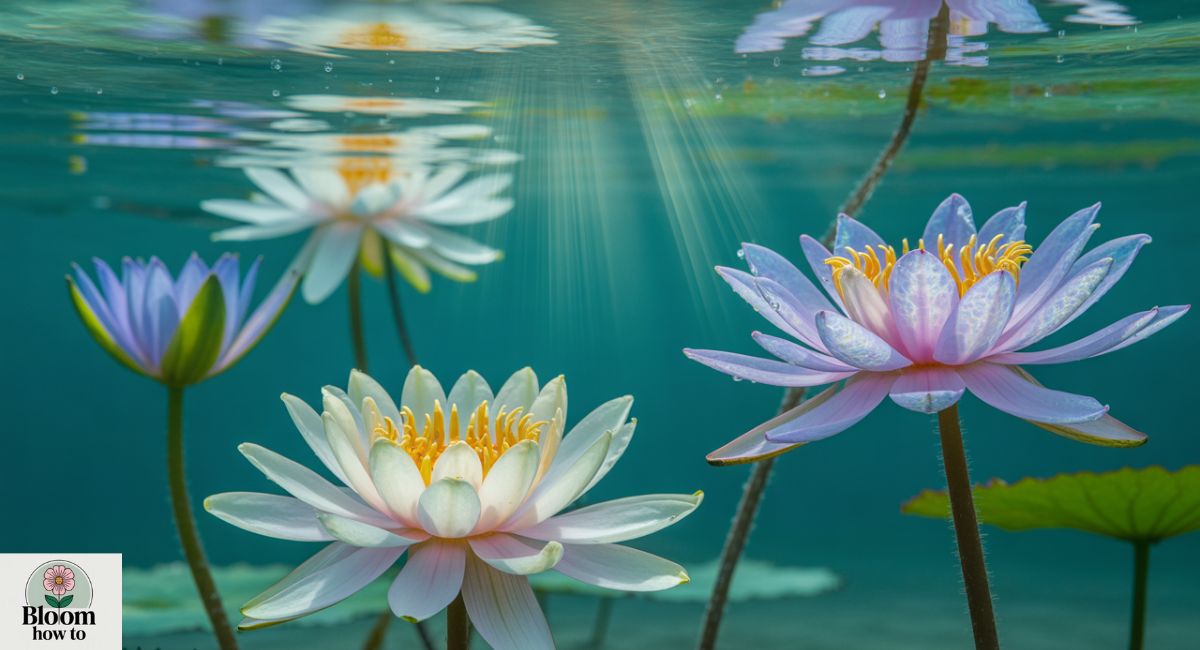
Aquatic Flowers & Flowering Aquatic Plants bring unmatched beauty and life to ponds, lakes, and backyard water gardens across the USA. Unlike regular garden plants, these species thrive in water, with some floating aquatic flowers gliding gracefully on the surface, while submerged flowering plants remain mostly underwater, and emergent plants rise above with striking blooms. Many gardeners choose these aquatic flowering plants not only for their vibrant colors but also for the way they enhance the pond ecosystem, providing shelter for fish and attracting pollinators. Understanding their types, colors, and growth needs helps you create a healthy, colorful, and easy-to-maintain water garden.
2. Types of Aquatic Flowers & Flowering Plants
Floating Aquatic Flowers
Floating aquatic flowers sit on top of the water with wide leaves and bright blooms. Water lilies and lotus plants are the most common floating species in the USA. Their leaves shade the water which helps keep ponds cool and clean. Their shape and color also make ponds look peaceful.
Submerged Flowering Aquatic Plants
Submerged flowering plants stay underwater but send small flowers upward when conditions are right. Eelgrass and pondweed often grow in natural lakes because they enrich the ecosystem. They help fish breathe better and keep the water clear. These plants stay mostly hidden but still play an important role.
Emergent Aquatic Flowering Plants
Emergent aquatic flowers grow with their roots in water and their stems rising above the surface. Arrowhead and cattail are common examples. They usually appear at pond edges and create a natural border. Their blooms attract insects and wildlife which helps support local biodiversity in many USA regions.
3. Popular Aquatic Flowers (Names + Images Overview)
Water Lily
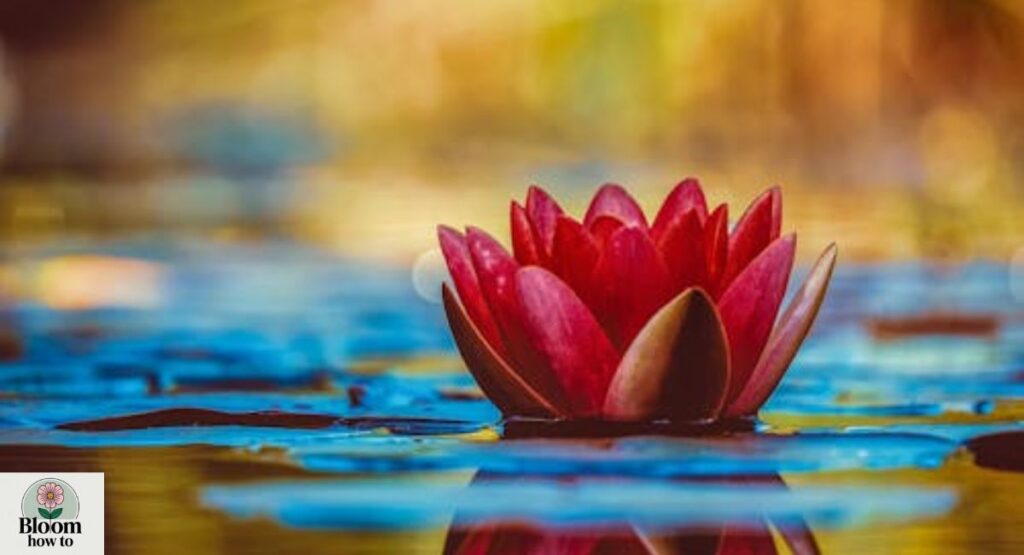
Water lilies are the most popular aquatic flowers in America because they float gracefully and bloom in many colors. Their round leaves sit on the surface and provide shade for fish. They are easy to grow and bloom from spring to early fall, making ponds look vibrant all season.
Lotus
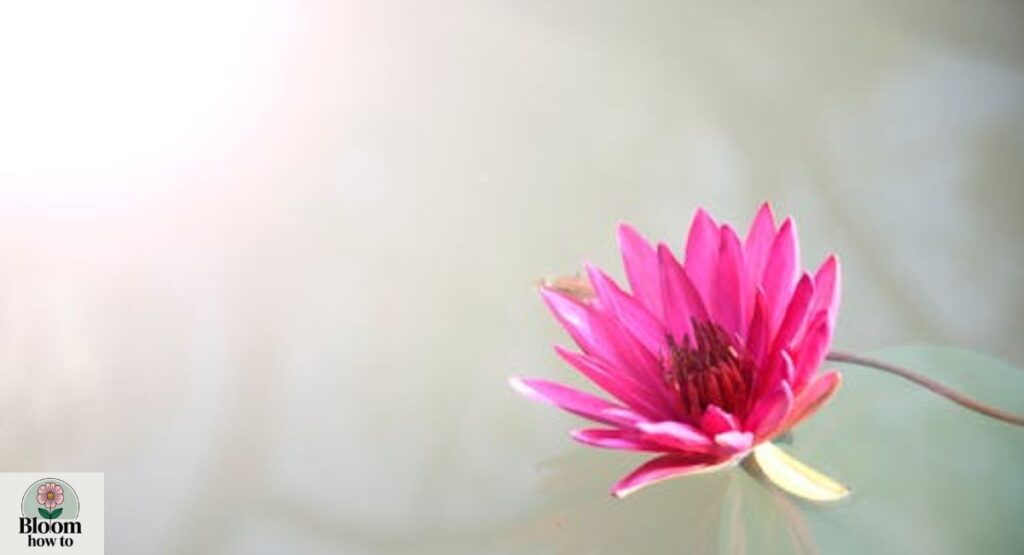
Lotus flowers grow tall above the water and create large, elegant blooms. Their petals open wide and come in pink, white and yellow shades. Many gardeners choose lotus plants because they bring a dramatic look to backyard ponds. They prefer warm climates and full sunlight to bloom well.
Pickerelweed
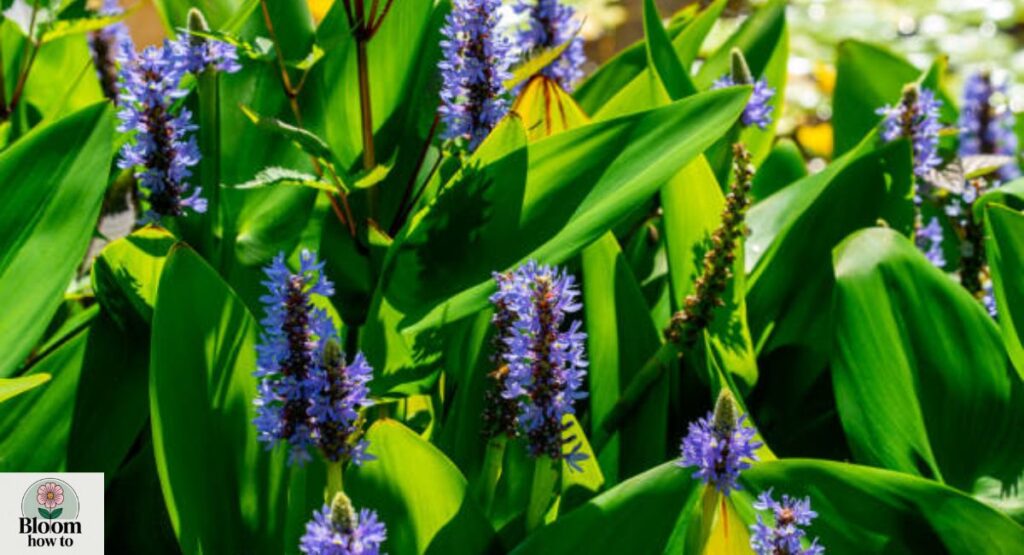
Pickerelweed grows at the edges of ponds and produces beautiful purple flower spikes. It fits well in natural USA landscapes because it attracts birds and butterflies. This plant grows quickly and fills empty spaces, giving ponds a lively and colorful look during warm months.
Water Hyacinth
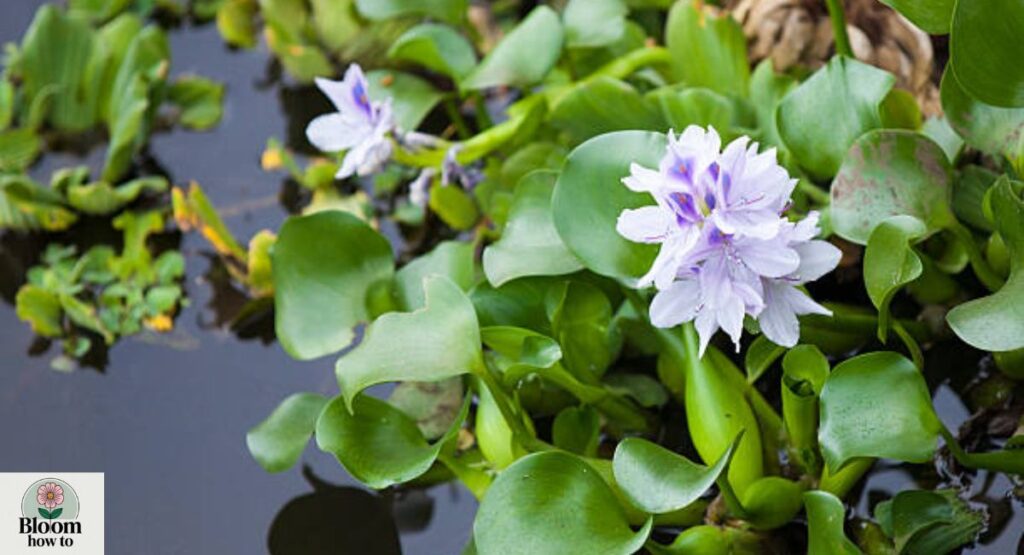
Water hyacinth floats freely and grows clusters of violet flowers. It spreads fast in warm areas, making it ideal for covering large water surfaces, although some states restrict it due to rapid growth. Its bright flowers and round leaves add color and texture to backyard water gardens.
Water Poppy
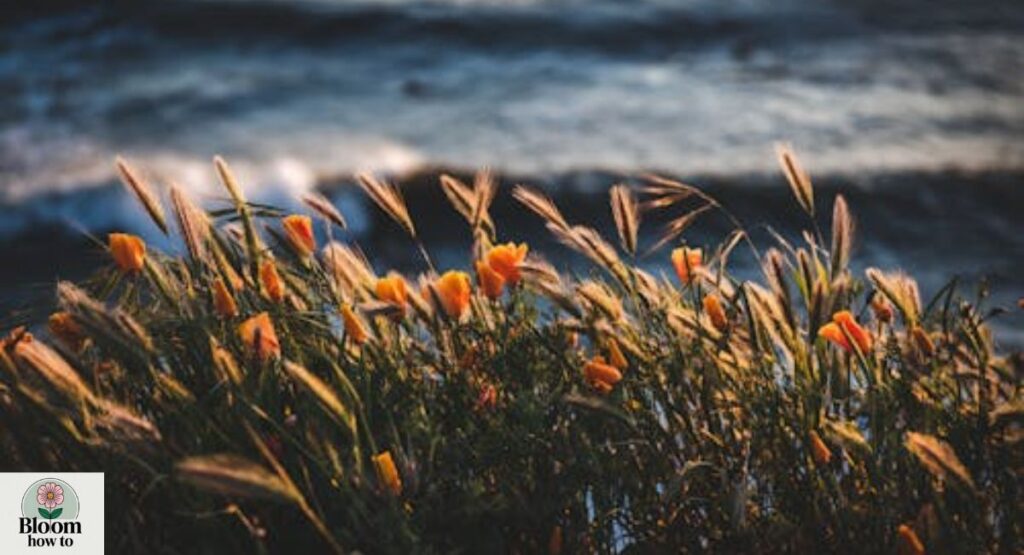
Water poppy blooms are small and yellow with soft petals that brighten any pond. These flowers grow on floating stems and bloom repeatedly during summer. Their cheerful appearance makes them a favorite for small ponds. They grow well in warm, calm water.
Marsh Marigold
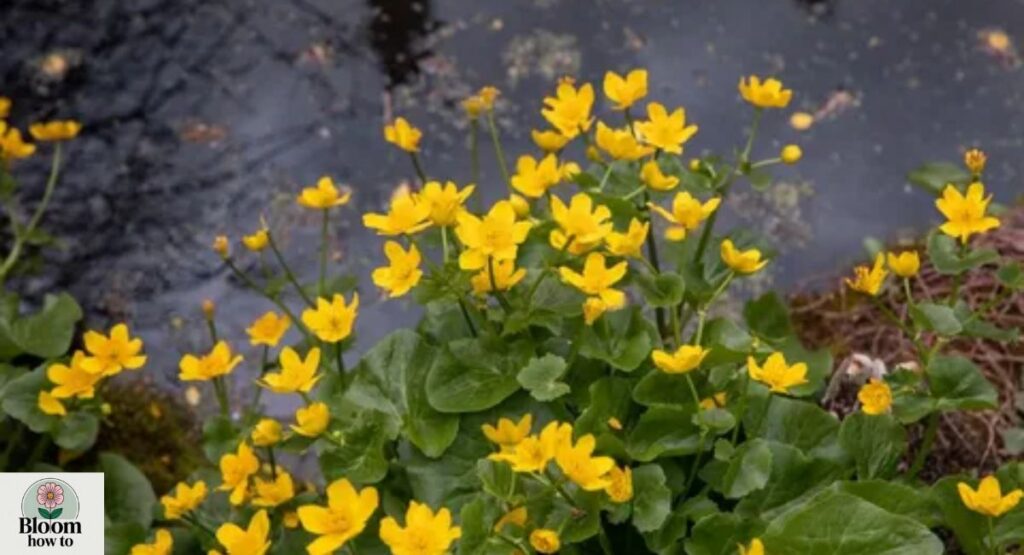
Marsh marigold brings early spring color to ponds in northern USA states. Its bright golden flowers stand out against wet soil and shallow water. Gardeners like it because it blooms before many other aquatic plants and handles cooler temperatures with ease.
Blue Flag Iris
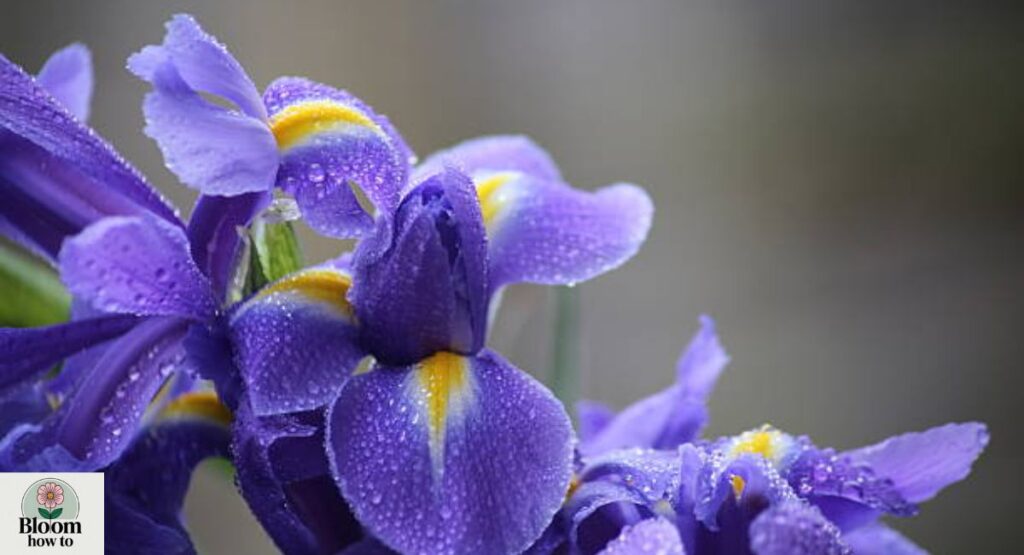
Blue flag iris grows along pond edges and lifts tall purple-blue flowers above the water. It fits easily into USA climates and grows well in both warm and cool states. Its long leaves and vivid flowers create structure around ponds and attract pollinators.
4. Aquatic Flowers by Color
Purple Aquatic Flowers
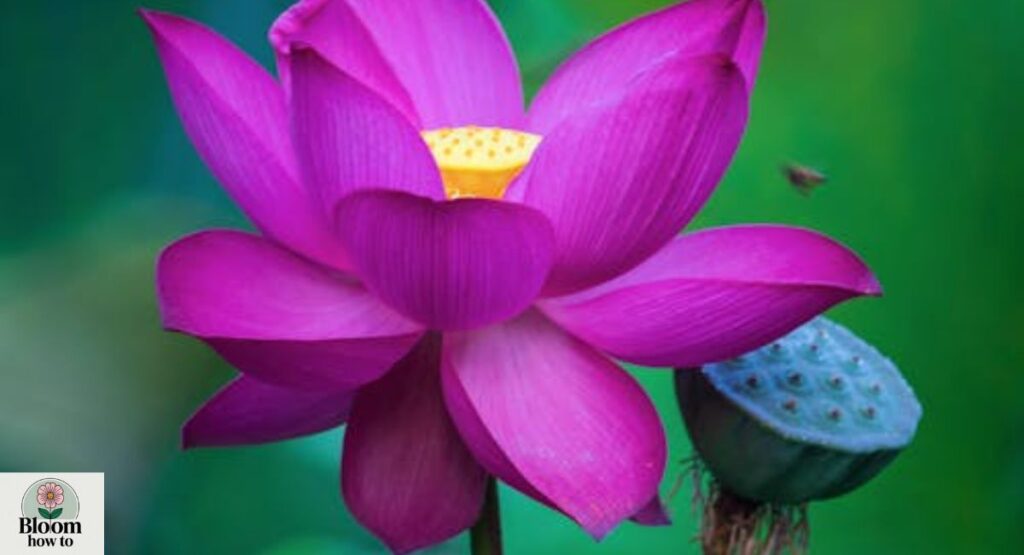
Purple aquatic flowers like pickerelweed and purple water lilies add strong contrast to ponds. Their bright purple shades stand out against green leaves and make water gardens look bold and dramatic. These colors are perfect for gardeners who want a striking centerpiece in their pond.
White Aquatic Flowers
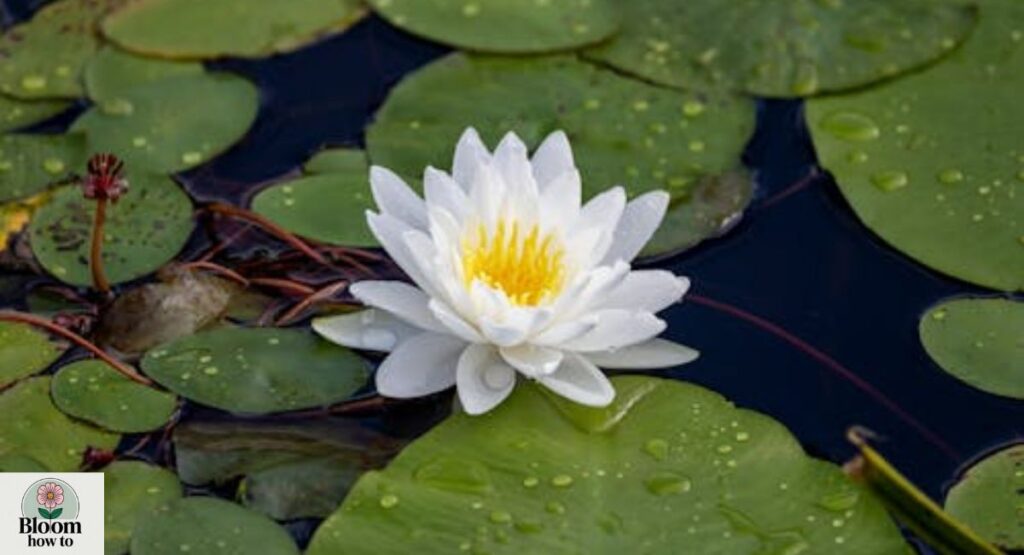
White aquatic flowers such as white lotus and white water lilies give ponds a clean, peaceful look. Their light petals reflect sunlight beautifully. Many gardeners choose white blooms when they want a calm and elegant design that blends smoothly with surrounding landscapes.
Yellow Aquatic Flowers
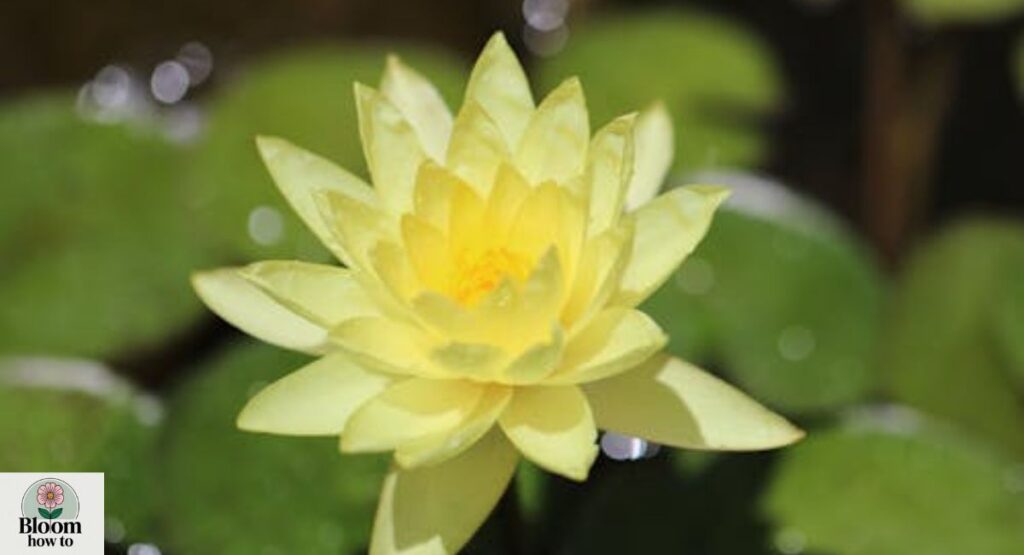
Yellow aquatic flowers like water poppy and yellow water lilies brighten ponds with warm, cheerful color. Their sunny shades bring life to small and large ponds. These flowers bloom often during summer and make the water look warm and welcoming.
Pink Aquatic Flowers
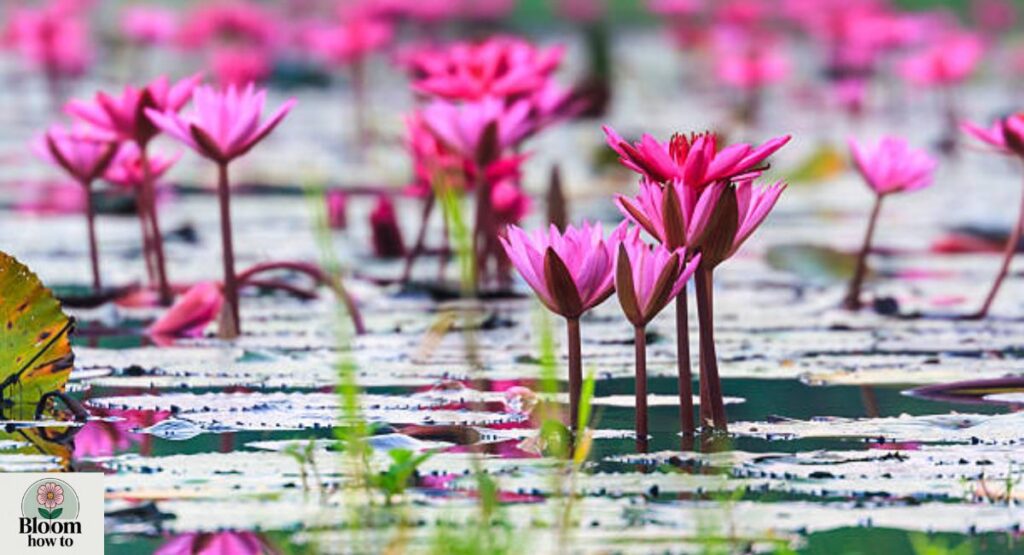
Pink aquatic flowers, especially pink lotus, create a soft and romantic mood. Their wide petals and classic shape make them a favorite in decorative water gardens. Many USA gardeners use pink blooms to highlight peaceful corners or meditation spaces.
5. Complete List of Aquatic Flowers
Complete List Table
| Common Name | Scientific Name | Type | Region in USA | Bloom Color |
| Water Lily | Nymphaea | Floating | Nationwide | White, Pink, Yellow |
| Lotus | Nelumbo nucifera | Floating | Warm states | Pink, White, Yellow |
| Water Poppy | Hydrocleys | Floating | Southern states | Yellow |
| Pickerelweed | Pontederia | Emergent | North America | Purple |
| Blue Flag Iris | Iris versicolor | Emergent | Northern states | Blue, Purple |
| Arrowhead | Sagittaria | Emergent | Nationwide | White |
| Cattail | Typha | Emergent | Nationwide | Brown/Seed spikes |
| Pondweed | Potamogeton | Submerged | Nationwide | Small greenish-white |
| Eelgrass | Vallisneria | Submerged | Southern USA | Small white |
6. Aquatic Plants That Produce Flowers
How Aquatic Plants Bloom
Aquatic plants bloom when sunlight reaches their stems and the water stays warm enough. Some push buds above the surface and open in the air, while others bloom right at water level. Pollination happens through insects, wind or gentle water movement. This process helps the plants grow stronger each season.
Flowering Conditions
Flowering conditions depend on water depth, temperature, soil and sunlight. Plants like lotus need full sun to bloom well, while water lilies adjust to partial shade. When conditions are balanced, aquatic flowers bloom regularly and bring bright colors to American ponds.
7. Aquatic Flowers Images (Visual Guide)
Identifying Aquatic Flowers by Images
Images help gardeners identify aquatic flowers by showing leaf shape, bloom color and how the plant sits in the water. Water lilies have flat floating leaves, while lotus leaves rise above the surface. Purple spikes belong to pickerelweed. These visual clues help confirm the correct species easily.
What Images Reveal
Good images show whether a plant floats, stands tall or stays underwater. They reveal color patterns and petal shapes that help identify species. Observing these details helps gardeners pick plants that suit their pond style and match local USA climates.
8. How to Grow Aquatic Flowering Plants
Planting Basics
Planting aquatic flowering plants starts with choosing the right pot, soil and depth. Most plants grow best in clay soil placed inside mesh baskets. Slowly lowering the plant into the pond helps the stems adjust. Warm states support tropical plants, while cold states need hardy varieties.
Seasonal Care
Seasonal care matters because ponds in the USA experience different temperatures. Northern ponds freeze in winter, so plants may need deeper placement or indoor protection. Southern ponds stay warm longer, allowing extended bloom seasons. Clean water and careful fertilizing help keep plants healthy.
9. Best Aquatic Flowers for Home Ponds & Aquariums
Best for Ponds
Water lilies, lotus, water poppy and pickerelweed work well in USA ponds because they grow reliably and bloom often. They adapt to different water depths and temperatures. Their colors, shapes and sizes create beautiful, balanced water gardens that stay colorful through most of the year.
Best for Aquariums
Aquariums use smaller flowering species like dwarf lilies and some submerged plants that bloom in bright indoor light. These plants stay compact and adjust to limited space. Their small flowers add charm to aquariums and help create a lively underwater scene.
Conclusion
Aquatic flowers and flowering aquatic plants bring beauty, color, and life to any pond or water garden. From floating water lilies to tall emergent cattails, each species adds its own charm while supporting fish, insects, and the overall ecosystem. Understanding how these plants grow, bloom, and thrive helps you create a healthy and vibrant pond that stays beautiful all year.
By choosing the right aquatic flowering plants for your space and climate, you can enjoy long-lasting blooms, easy maintenance, and a peaceful, natural environment. Whether for a backyard pond or an aquarium, these plants transform water into a living, colorful garden.
FAQs
1. What are aquatic flowers?
Aquatic flowers are plants that grow in or on water, including floating, submerged, and emergent flowering aquatic plants.
2. How do I grow aquatic flowering plants at home?
Plant them in ponds or containers with nutrient-rich soil, proper water depth, and enough sunlight for healthy blooms.
3. Which aquatic flowers bloom the longest?
Water lilies and lotus are known for long-lasting blooms throughout spring and summer in the USA.
4. Are aquatic flowering plants safe for fish?
Yes, most provide shade, shelter, and oxygen, supporting a healthy pond ecosystem.
5. Can aquatic flowers grow indoors?
Some smaller species like dwarf lilies can grow indoors with bright light and warm temperatures.

Welcome to bloom how to! I’m Anam Sattar, an AI Powered SEO, and Content Writer with 4 years of experirnce.
I help websites rank higher,grow traffic, and look amazing. My goal is to make SEO and web design simple and effective for everyone.
Let’s achieve more together!