


The beauty of amaryllis after flowering doesn’t end when the bright blooms fade. Many people think the plant is finished, but with proper care, it can thrive and rebloom year after year. Understanding how to nurture your amaryllis plant during its post-bloom phase is key to healthy growth. This includes keeping the leaves green, providing enough sunlight, and feeding the bulb with the right nutrients. Even beginners can successfully guide their amaryllis bulbs through dormancy and back to life. In this guide, you’ll learn simple, effective steps for post-bloom amaryllis care that help your plant store energy and produce spectacular flowers again.
2. Understanding the Amaryllis Growth Cycle
To understand how to care for your amaryllis plant after flowering, you need to know its growth rhythm. The amaryllis bulb works like a battery. It uses stored nutrients to produce those incredible blooms. Once flowering ends, the plant focuses on photosynthesis through its leaves, sending food back into the bulb. This is how it builds strength for the next bloom cycle.
A healthy amaryllis growth cycle usually includes four stages blooming, leaf growth, dormancy, and rebloom. Each stage plays a role. After the flowers fade, the leaves grow tall and wide. These green leaves are the plant’s food factories. They recharge the bulb beneath the soil, which then rests during the dormant phase. Skipping or shortening these phases often means your bulb won’t rebloom.
Understanding this cycle helps you time your care steps correctly. For example, after the last flower fades, you shouldn’t cut off the green leaves. Those leaves are vital to future blooms. Instead, focus on keeping the plant strong and healthy through light, water, and fertilizer that’s how you ensure your amaryllis reblooms.
3. What to Do Immediately After Amaryllis Blooms Fade
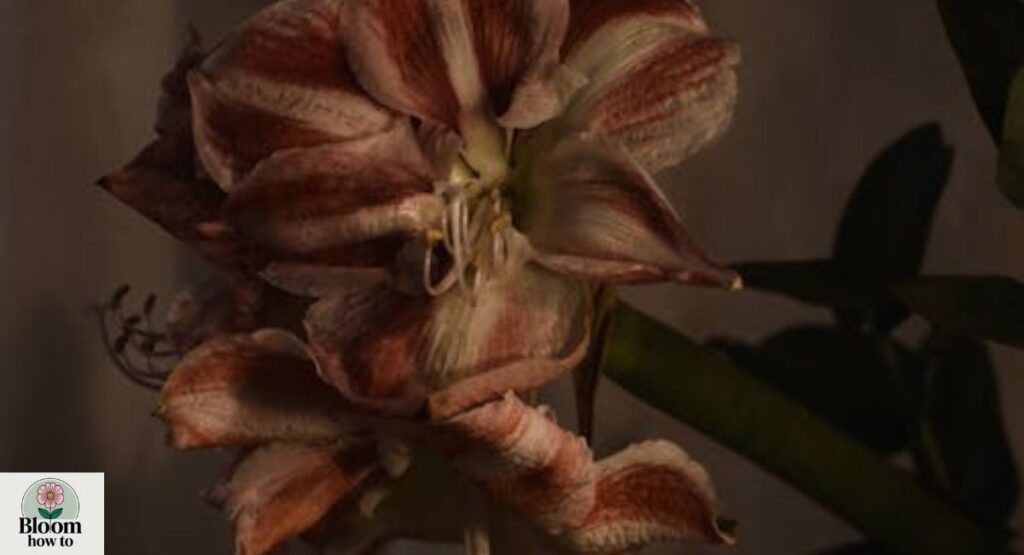
When the flowers fade, your job begins. Start by carefully snipping off each spent flower just below the bloom, but leave the main stem standing. This keeps the plant from wasting energy on seed production. Once the stem turns yellow or hollow, cut it about an inch above the bulb. This step helps the plant redirect its energy to leaf growth.
Next, keep the leaves green and growing. Place your amaryllis plant near a bright, sunny window where it can get indirect sunlight for at least six hours a day. Water it lightly when the top inch of soil feels dry. Avoid overwatering soggy soil leads to bulb rot. During this phase, the leaves will keep feeding the bulb, which is the secret to strong flowers next year.
Feeding your amaryllis after flowering is just as important as watering it. Use a balanced liquid fertilizer, such as 10-10-10 or 20-20-20, every two to three weeks. Always water first before feeding to avoid root burn. A regular feeding schedule builds up nutrients inside the bulb, preparing it for another bloom. Think of it as training your amaryllis for its next big show.
Here’s a simple table to help you remember the key tasks after flowering:
| Step | Action | Timing |
| Remove faded blooms | Snip flowers only | Immediately after fading |
| Cut flower stalk | Trim when yellow/hollow | 1–2 weeks later |
| Watering | Keep soil slightly moist | Every few days |
| Feeding | Use balanced fertilizer | Every 2–3 weeks |
| Sunlight | Bright, indirect light | 6+ hours daily |
4. Post-Flowering Amaryllis Care (Active Growth Phase)

Once the blooms are gone, your amaryllis enters its active growth phase. During this time, you’ll see new green leaves appear. These leaves are vital for the bulb’s recovery. Place your amaryllis plant in a bright spot, ideally near a window that gets morning sun but is shielded from harsh afternoon rays. In many U.S. regions, a south or east-facing window is perfect.
Watering during this stage should be consistent but careful. Too much water can suffocate the bulb. Check the top inch of soil if it’s dry, it’s time to water. Keep the pot well-drained; amaryllis bulbs hate sitting in soggy soil. A mix of peat moss, perlite, and compost works beautifully for drainage and nutrition. You can also repot your bulb if it’s been in the same pot for more than two years.
Fertilize regularly to strengthen the bulb. A liquid plant food rich in nitrogen and potassium works well. Feed your amaryllis after flowering every 2–3 weeks until late summer. By then, the bulb will have stored enough nutrients for dormancy. You can tell your plant is thriving if the leaves are thick, shiny, and upright. That’s a sure sign your amaryllis care routine is on point.
5. Preparing Amaryllis for Dormancy

Around late summer or early fall, your amaryllis plant will begin to slow down. The leaves will start yellowing, and growth will pause that’s your cue. Stop fertilizing, and gradually reduce watering. Let the leaves die naturally; they’re transferring the last bits of food back to the bulb. When the leaves turn brown, trim them about an inch above the bulb.
Now your amaryllis after flowering needs rest. Move the bulb to a cool, dark place a basement, closet, or garage where temperatures stay between 50–55°F (10–13°C). Don’t water during this period. The dormancy lasts about 8–12 weeks. This rest period is essential for triggering the next bloom. Think of it as your plant’s deep sleep before another showy season.
Here’s a quick dormancy guide:
| Phase | Duration | Temperature | Care Notes |
| Pre-dormancy | 2–3 weeks | 60–65°F | Reduce watering |
| Dormant rest | 8–12 weeks | 50–55°F | Keep dry and dark |
| Pre-growth | 1 week | 65–70°F | Start watering again |
6. How to Wake Up and Re-Bloom Your Amaryllis
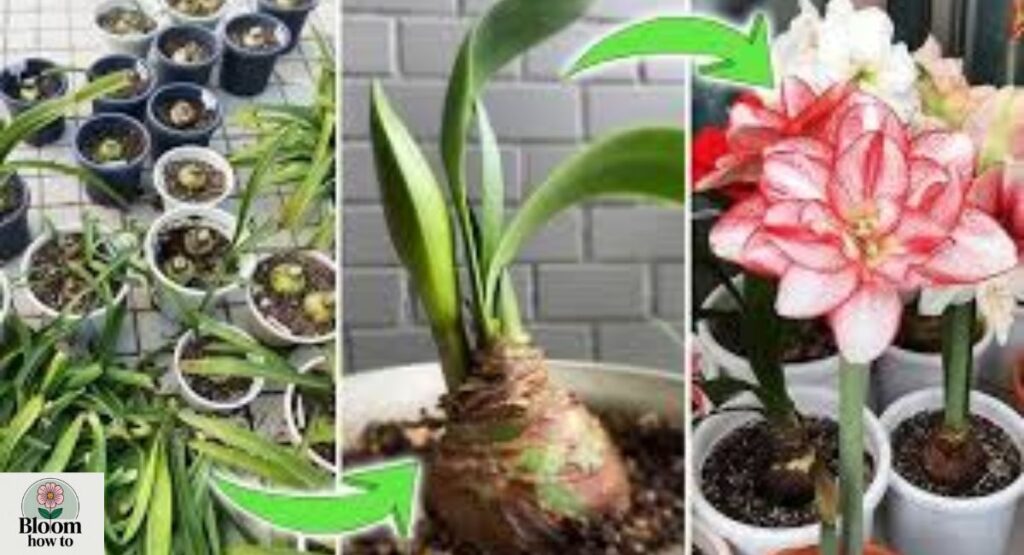
When dormancy ends, it’s time to wake your amaryllis bulb and prepare it for another round of stunning blooms. After resting for about 8–12 weeks, move the bulb to a warm, bright place. A temperature of 65–70°F is perfect. You’ll soon see the tip of a new flower stalk or fresh leaves emerging. That’s your sign that your amaryllis after flowering is ready for action again.
Plant your bulb in fresh, well-draining soil. A mix of peat moss, perlite, and organic compost works beautifully. Make sure about one-third of the bulb sits above the soil’s surface. Use a pot that’s just an inch wider than the bulb itself. Too much space can trap moisture and cause rot. Water sparingly at first just enough to moisten the soil. Once you see active growth, you can water more regularly.
Encouraging amaryllis reblooming naturally takes a little patience. Place your plant in a bright spot with indirect sunlight. Within six to eight weeks, flower buds should appear. Some gardeners use the “chill and wake” method a controlled dormancy cycle that mimics the natural growing conditions in tropical climates. Consistency is the secret to getting a healthy rebloom every year.
| Step | Description | Timeframe |
| End dormancy | Move bulb to warm light | After 8–12 weeks rest |
| Repotting | Use fresh, loose soil | Before new growth |
| Watering | Start light, increase slowly | When leaves appear |
| Blooming | Expect new flowers | 6–8 weeks later |
7. Year-Round Amaryllis Care Tips
Caring for amaryllis after flowering doesn’t stop once it blooms again. Think of it as a cycle that repeats all year. During spring and summer, treat your amaryllis like any other houseplant. Keep it near a sunny window, and water when the top layer of soil feels dry. Feed it regularly with a balanced fertilizer to maintain healthy leaf growth.
If you live in warmer states like Florida, Texas, or southern California, you can even move your amaryllis plants outdoors for the summer. Just choose a spot with bright, indirect sunlight — direct afternoon sun can scorch the leaves. Bring the plant indoors before the first frost. In cooler climates, keep it indoors all year, ensuring it gets at least six hours of filtered sunlight daily.
A good amaryllis care calendar helps you stay on track:
| Season | Action | Notes |
| Winter | Bloom time | Keep warm and bright |
| Spring | Active growth | Fertilize every 2 weeks |
| Summer | Outdoor care | Partial shade, regular water |
| Fall | Dormancy | Reduce watering, store bulbs |
Regular observation matters. If your plant’s leaves look pale or droopy, it may need more light. Soft bulbs or black spots suggest overwatering. Fix small problems early so they don’t ruin your next bloom season.
8. Propagation and Long-Term Care
If you’ve cared for your amaryllis plant for several years, you may notice small bulbs forming around the main one. These are called offsets or baby bulbs. Propagating amaryllis is an easy way to grow more plants without buying new ones. Carefully separate these small bulbs during repotting. Replant them in their own pots with the tops just above the soil. They may take two to three years to bloom, but it’s worth the wait.
You can also grow amaryllis from seed, though it takes much longer. Collect seeds from mature seed pods and plant them in moist potting mix. Keep them warm and lightly shaded until seedlings appear. Once they’re strong enough, move them into individual pots. While propagation from seed is slow, it’s exciting for gardeners who enjoy experimenting.
To keep your amaryllis bulbs strong for years, always let the leaves grow fully after flowering. Avoid overwatering, and never store wet bulbs. Rotate your pots occasionally so that the leaves grow evenly toward the light. Over time, your amaryllis will become more resilient, producing larger blooms and stronger stems each year.
9. Expert Tips for Stunning Blooms
Experts agree: amaryllis after flowering thrives on consistency. Keep a stable environment, follow the seasonal care routine, and avoid quick fixes. Light, water, and timing are your three best tools. A few extra tricks can make a big difference, though.
For bigger blooms, feed your amaryllis with a potassium-rich fertilizer during the last month of leaf growth. This helps build the bulb’s energy reserves. You can also place a small fan nearby to simulate natural airflow — it strengthens the stems and prevents fungal problems. If you notice your plant growing tall and floppy, it’s likely reaching for more light. Move it closer to a bright window or supplement with a grow light for a few hours each day.
To make amaryllis flowers last longer indoors, keep the plant in a cool room away from heat vents or direct sun. Remove wilted blooms as soon as they fade. Some gardeners even rotate multiple bulbs on a schedule so they always have one in bloom — a colorful secret for year-round joy.
Here’s a quick comparison showing the difference between weak and healthy post-bloom care:
| Care Type | Weak Growth | Healthy Growth |
| Light | Low or uneven | Bright, indirect |
| Water | Too frequent | When soil feels dry |
| Fertilizer | None or irregular | Consistent feeding |
| Dormancy | Skipped | Full rest cycle |
| Result | Few or no blooms | Strong reblooming cycle |
10. Conclusion
Growing amaryllis after flowering isn’t about luck it’s about rhythm. When you understand its natural cycle of growth, rest, and rebloom, you unlock the secret to year-round beauty. Think of your amaryllis like an athlete: it performs best after a balanced routine of training and rest. With a little care and timing, you’ll see those spectacular blooms return again and again.
So don’t toss that bulb when the flowers fade. Keep watering, keep feeding, and let it rest when it’s ready. Soon enough, you’ll see those rich green leaves rise again, followed by another burst of color. As one American gardener once said, “The amaryllis teaches patience and rewards it with brilliance.” Give your plant that patience, and you’ll enjoy a lifetime of vibrant blooms.
FAQs
1. How do I care for amaryllis after it stops blooming?
Keep watering and feeding your amaryllis plant so the leaves can recharge the bulb. Once the leaves turn yellow, let it rest for a few weeks before restarting growth.
2. Should I cut back the leaves after my amaryllis flowers fade?
No, don’t cut them right away. The green leaves make food for the bulb, helping your amaryllis after flowering grow strong for the next bloom.
3. How long should my amaryllis bulb rest before reblooming?
Give your bulb about 8–12 weeks of dormancy in a cool, dark place. This rest period triggers new flower growth.
4. Can I plant my amaryllis outdoors after it blooms?
Yes, in warm U.S. regions (zones 8–10) you can move it outside. Just protect it from frost and too much direct sun.
5. Why won’t my amaryllis bloom again?
Your bulb may not have stored enough energy. Make sure it gets bright light, regular feeding, and a proper dormant period for healthy amaryllis reblooming.

Welcome to bloom how to! I’m Anam Sattar, an AI Powered SEO, and Content Writer with 4 years of experirnce.
I help websites rank higher,grow traffic, and look amazing. My goal is to make SEO and web design simple and effective for everyone.
Let’s achieve more together!