
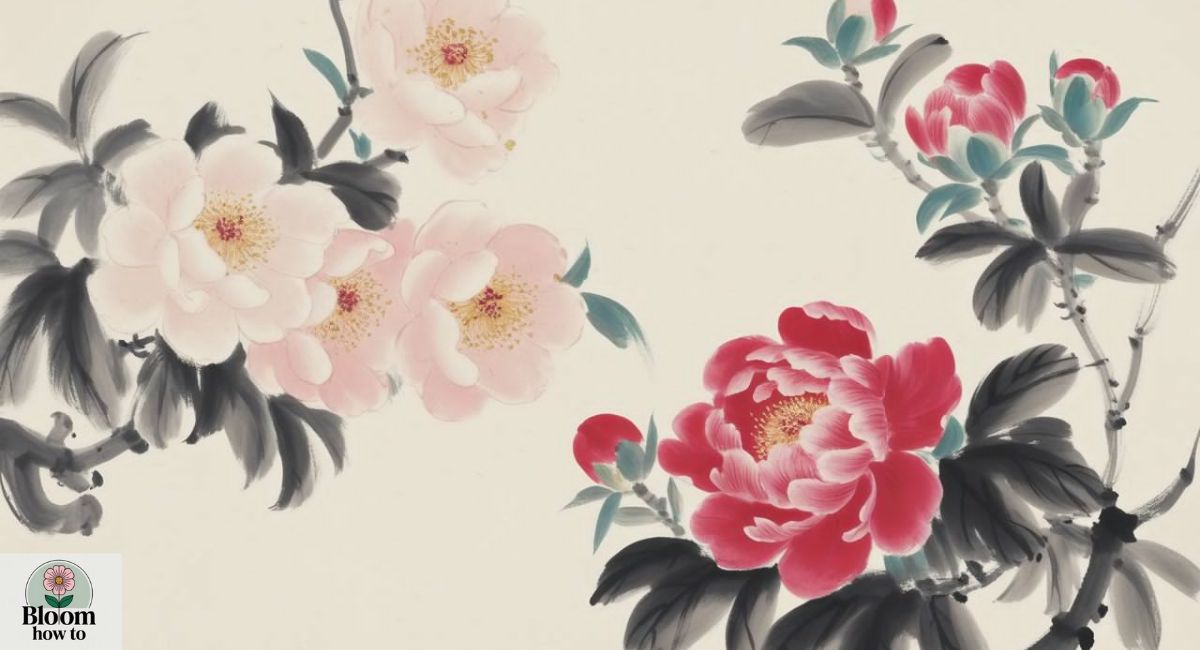
Flowers depicted in classical Chinese art are more than beautiful images; they carry deep meaning and cultural significance. These Chinese flowers reflect virtues, emotions, and stories that have been passed down for centuries. From delicate peonies to elegant orchids, each bloom tells a tale of resilience, purity, and prosperity. Artists skillfully use Chinese art flowers to convey messages about life, seasons, and human character. Even today, these traditional motifs inspire modern design, home décor, and celebrations worldwide. Exploring flowers depicted in classical Chinese art offers a window into history, symbolism, and creativity that continues to resonate with audiences across the USA and beyond.
2. Flowers Depicted in Classical Chinese Art
The idea of flowers depicted in classical Chinese art began thousands of years ago when artists studied nature not to copy it exactly but to capture its spirit. A plum blossom was more than a tiny winter flower. It represented courage because it blooms through frost. A lotus was not just a water plant. It symbolized purity because it rises from muddy water untouched. This artistic approach helped classical Chinese art develop its poetic and emotional style. Instead of showing perfect realism, painters focused on meaning, balance, and peaceful composition.
Plum Blossom
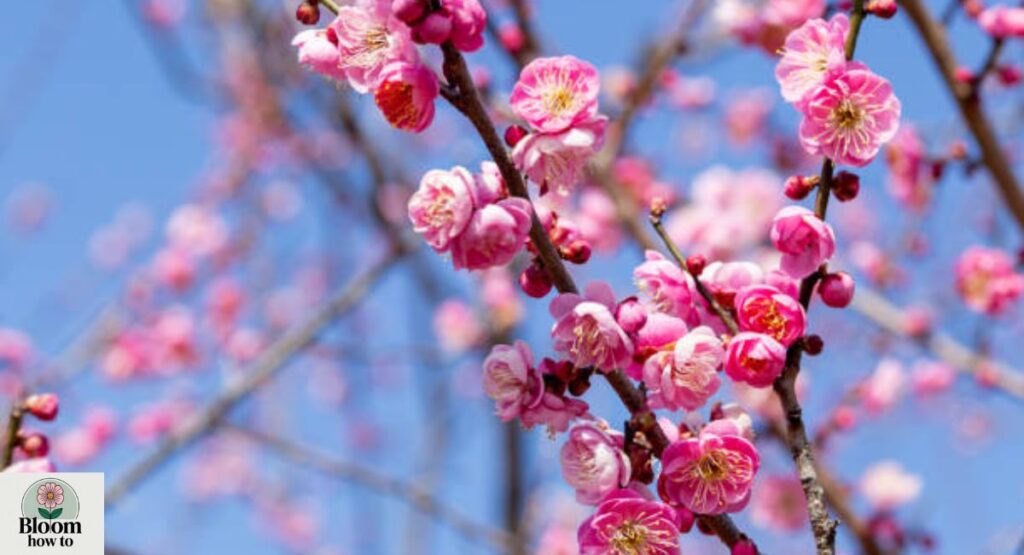
The plum blossom stands for courage because it blooms in the coldest winter. Artists use it to show strength during difficult times. Its thin branches and soft petals create a peaceful scene that reminds viewers to stay hopeful even in hard moments.
Lotus
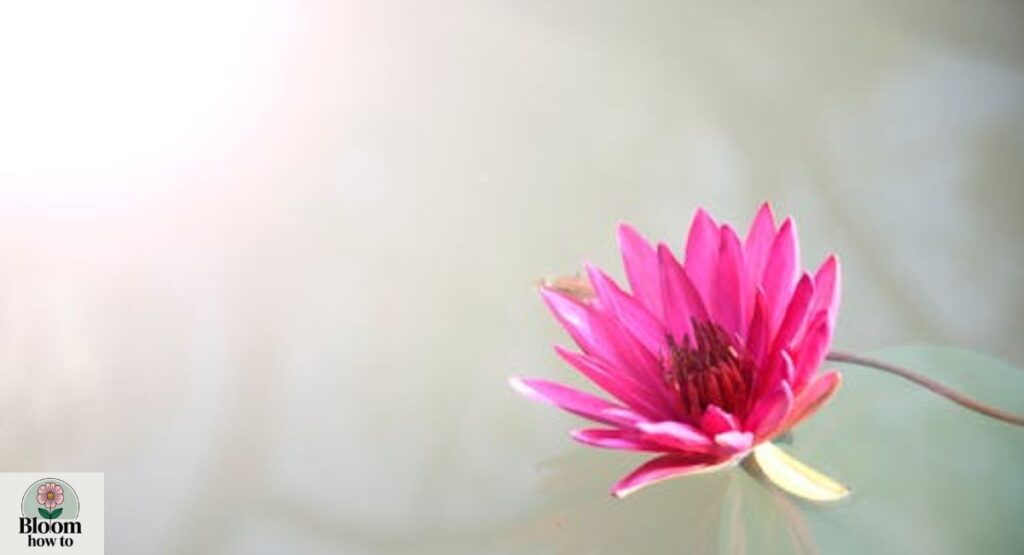
The lotus is loved for its purity because it rises clean from muddy water. Classical painters use it to show spiritual growth and inner goodness. Its gentle shape creates calm, while its meaning inspires people to stay pure in a complicated world.
Peony
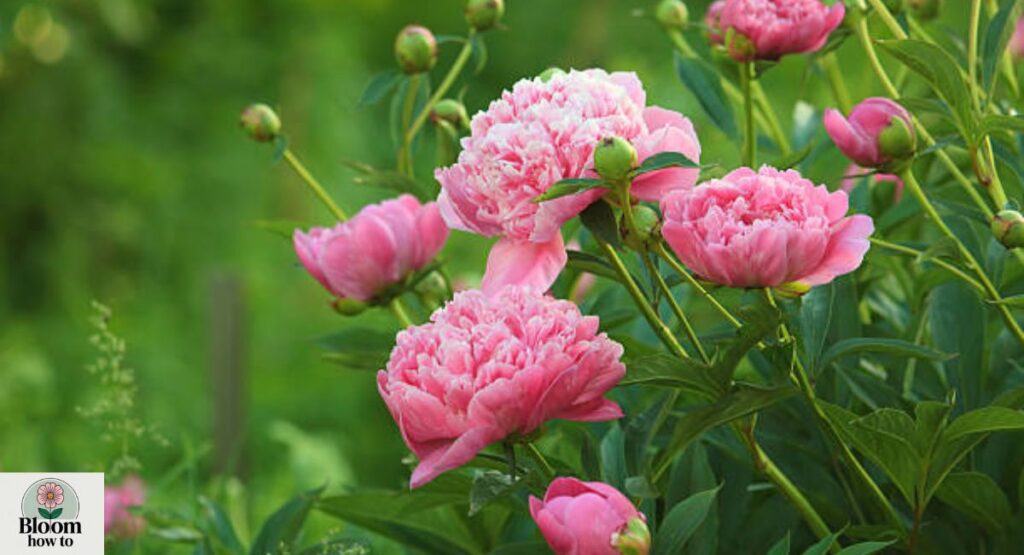
The peony is known as the king of flowers and symbolizes wealth, honor, and beauty. Artists paint it with rich colors to show success and happiness. Its large petals make the artwork look full and alive, bringing a feeling of good fortune.
Orchid
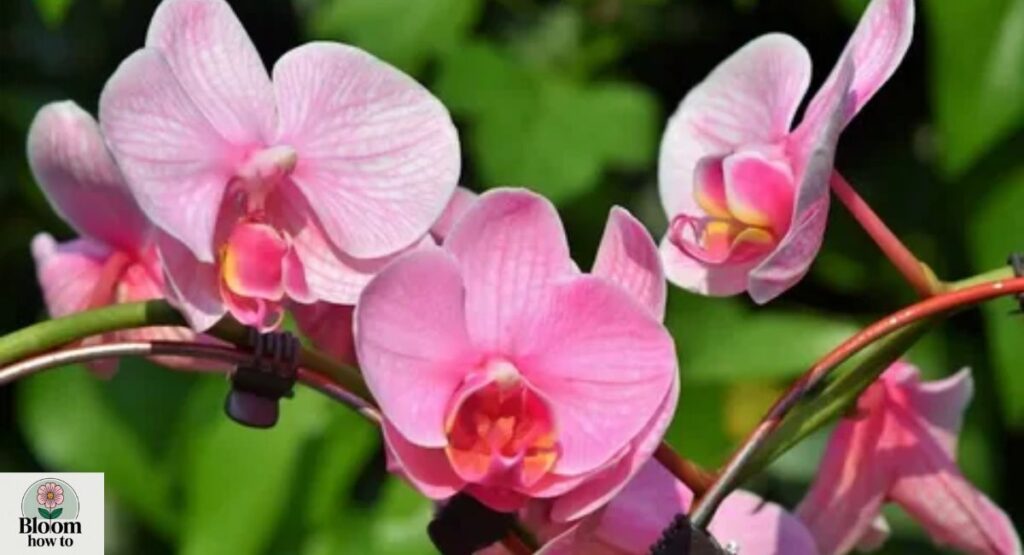
The orchid represents elegance and noble character, especially among scholars. Its long, soft leaves create a peaceful, graceful feeling. Many classical paintings use orchids to express quiet strength and refined beauty.
Chrysanthemum
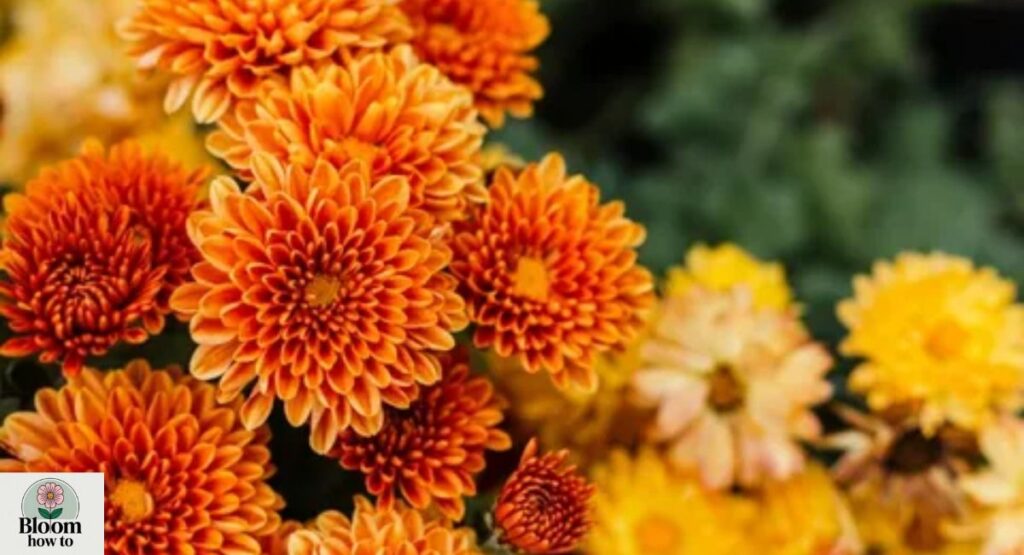
The chrysanthemum symbolizes calm strength because it blooms in autumn when other flowers fade. Artists use it to express peace, wisdom, and patience. Its rounded petals bring a sense of balance and steady confidence to the artwork.
| Flower Name | Chinese Name | Meaning | Main Use in Art |
| Plum Blossom | 梅花 | Strength and hope | Winter scenes and scrolls |
| Lotus | 莲花 | Purity and spiritual growth | Buddhist art and pond paintings |
| Peony | 牡丹 | Wealth and honor | Royal and decorative art |
| Orchid | 兰花 | Grace and nobility | Scholar paintings |
| Chrysanthemum | 菊花 | Peace and calm strength | Autumn landscapes |
3. Chinese Flowers and Their Cultural Significance
The power of Chinese flowers comes from their emotional and symbolic meanings. In China, flowers are used to express wishes, blessings, personality traits, and philosophical ideas. A lotus teaches that purity can survive any difficulty. A chrysanthemum teaches calm strength during times of change. A peony gives hope for prosperity. These meanings appear in poems, songs, festivals, and daily conversations. The cultural value behind each blossom is why flowers depicted in classical Chinese art still hold worldwide importance.
American readers often enjoy discovering how these meanings shape everyday life in China. Families decorate homes with symbolic flowers during celebrations. Artists use these flowers to express feelings that words cannot. Students learn these meanings in school, and they later appear in literature and design. This deep connection between nature and values creates a culture where flowers speak directly to the heart.
4. Chinese Art Flowers (Artistic Styles & Motifs)
When studying Chinese art flowers, you’ll notice two major painting styles. The first is gongbi, which uses fine lines and delicate detail. This style feels refined and controlled. The second style, xieyi, is expressive and emotional. Instead of perfect lines, the artist moves the brush with freedom. This creates flowers that feel alive, flowing, and full of spirit. Both styles shaped how Chinese artists painted for centuries. Painters often used flowers to show their personal emotions, beliefs, or hopes for the future.
These floral motifs appear in many other art forms, not only paintings. You will find them in porcelain vases, embroidered robes, carved screens, temple decorations, and calligraphy pairings. Even in modern times, designers in the USA use peony or lotus patterns for fashion, wallpapers, tattoos, and digital art. Classical Chinese floral motifs continue to inspire because they feel timeless and meaningful. This table shows how different flowers appear across art forms.
| Art Form | Common Floral Motifs | Cultural Purpose |
| Porcelain | Lotus, Peony | Purity and wealth |
| Silk Embroidery | Orchid, Plum | Elegance and courage |
| Room Screens | Chrysanthemum | Peace and wisdom |
| Ink Calligraphy | Plum or Orchid | Scholars’ ideals |
5. Chinese Lantern Flowers
The tradition of Chinese lantern flowers holds a special place in Chinese culture because these flowers bring together light, celebration, and family. Some lantern flowers refer to real plants that look like lanterns, such as the bright orange Physalis alkekengi. Others refer to flowers painted or printed onto lanterns during festivals. Lanterns decorated with peonies, plum blossoms, or orchids symbolize guidance, protection, joy, and reunion. During festival nights, glowing lanterns dance in the air like warm floating stars, carrying wishes for happiness.
You’ll often see lantern flowers in classical paintings where they represent inner light and emotional warmth. Some artists used them to express spiritual guidance, while others used them to celebrate a new beginning. Today, lantern flower designs appear in American cities during Lunar New Year events. Many homes and shops use Chinese-style lanterns decorated with flowers to create a festive atmosphere. This table shows the meanings behind different lantern flowers.
| Lantern Flower Type | Symbol | Meaning in Art |
| Physalis Lantern Flower | Protection | Warmth and comfort |
| Peony Lantern | Prosperity | Celebration and success |
| Plum Blossom Lantern | Resilience | Courage during hardship |
6. Chinese New Year Flowers
The beauty of Chinese New Year flowers comes from their power to bring luck and a fresh start. These flowers welcome a new year with blessings for happiness, health, and prosperity. During Lunar New Year, families decorate their homes with peach blossoms, plum blossoms, peonies, orchids, narcissus plants, and tangerine trees. Each flower carries a special message. Peach blossoms bring youth, plum blossoms bring courage, and peonies bring wealth. This tradition has become popular in many parts of the USA where Lunar New Year events create vibrant floral displays.
Artists often paint these flowers in seasonal artwork to express renewal and hope. A painting filled with peach blossoms celebrates life and brightness. A plum blossom branch shows inner strength during cold months. These festive flowers appear on posters, red envelopes, banners, and traditional decorations. They set the mood for a joyful beginning. This simple table explains the meanings of New Year flowers.
| Flower | Symbolic Meaning | Use During New Year |
| Peach Blossom | Youth and love | Home decoration |
| Plum Blossom | Hope and courage | New Year paintings |
| Peony | Prosperity | Festival displays |
| Orchid | Elegance | Indoor arrangements |
| Narcissus | Good fortune | Holiday gifts |
7. Comparison: Classical vs. Contemporary Representations
Classical paintings of flowers had a calm, poetic style. They used soft colors, wide empty spaces, and balanced composition. The focus was on spiritual expression rather than realistic detail. Modern interpretations of flowers depicted in classical Chinese art take inspiration from these traditions but add new ideas. Today’s artists use digital tools, vivid colors, modern textures, and experimental designs. A lotus might appear in neon shades. A peony might be painted with abstract strokes. The message stays the same, but the style becomes bold and modern.
American audiences enjoy this mix because it blends ancient wisdom with contemporary energy. Even when artists experiment with style, the symbolism remains. A modern chrysanthemum still represents peace. A digital orchid still expresses elegance. This balance helps keep Chinese floral art alive in today’s global world. It allows new artists to honor tradition while expressing their own creative voice.
8. Conclusion
The journey through flowers depicted in classical Chinese art shows how flowers communicate across cultures and generations. These flowers carry lessons about hope, courage, purity, and prosperity. They appear in classical scrolls, festival lanterns, decorative art, and modern digital design. Their meanings continue to connect people, whether they live in China or the United States.
As you explore the beauty of Chinese flowers, Chinese art flowers, Chinese lantern flowers, and Chinese New Year flowers, you step into a timeless tradition. These blossoms remind us that art is more than color or shape. It is a bridge between emotions, cultures, and histories. Chinese floral symbolism continues to bloom because it speaks a universal language: the language of beauty, meaning, and the human heart.
FAQs
1. What are flowers depicted in classical Chinese art?
They are artistic representations of flowers in Chinese paintings and decorations, often carrying symbolic meanings like purity, courage, or prosperity.
2. Why are plum blossoms important in Chinese art?
Plum blossoms symbolize strength and resilience because they bloom in the cold of winter.
3. What is the significance of peonies in Chinese culture?
Peonies represent wealth, honor, and beauty, making them a popular motif in traditional Chinese art.
4. How are Chinese lantern flowers used?
Lantern flowers appear in festivals and celebrations, symbolizing joy, reunion, and good fortune.
5. Do Chinese New Year flowers have symbolic meanings?
Yes, flowers like peach blossoms and orchids bring luck, prosperity, and happiness for the new year.

Welcome to bloom how to! I’m Anam Sattar, an AI Powered SEO, and Content Writer with 4 years of experirnce.
I help websites rank higher,grow traffic, and look amazing. My goal is to make SEO and web design simple and effective for everyone.
Let’s achieve more together!